Water/Wastewater
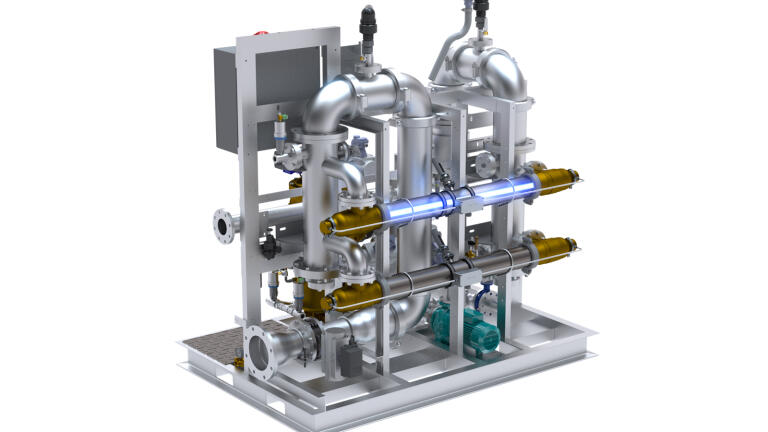
When the IMO Ballast Water Management Convention entered into force, many believed that installing an approved ballast water treatment system (BWTS) would be enough to prevent the spread of invasive aquatic species. Today, with most of the global fleet equipped with ballast water management systems (BWMS), it is clear that long-term compliance depends not on certification alone, but on consistent operational performance.
All IMO-approved ballast water treatment systems undergo rigorous land-based and shipboard testing under controlled conditions and are capable of meeting regulatory standards when operated within their approved limits. However, Port State Control (PSC) inspections assess the entire ballast water management process, including crew competence, maintenance, documentation and the vessel's Ballast Water Management Plan. As a result, many deficiencies arise from operational issues such as incorrect system settings, poor maintenance, outdated manuals or inadequate crew training rather than failures of the treatment technology itself.
A growing challenge is the variability of water quality in ports worldwide. High turbidity, heavy sediment loads and low salinity can affect ballast water operations, particularly in river ports where silt concentrations are highest. These conditions may overload filtration systems or trigger alarms, but they can often be managed through careful operational planning, including adjusting ballast procedures or delaying uptake until cleaner water is available.
Recognising these challenges, the IMO introduced guidance in 2024 for operations in Challenging Water Quality (CWQ). Where treatment during uptake is not possible despite reasonable efforts, vessels may temporarily bypass the system, conduct a mid-ocean ballast water exchange and complete treatment at sea. This is a structured compliance pathway within the Convention, provided procedures are properly planned, documented and carried out in accordance with the vessel's approved operating procedures.
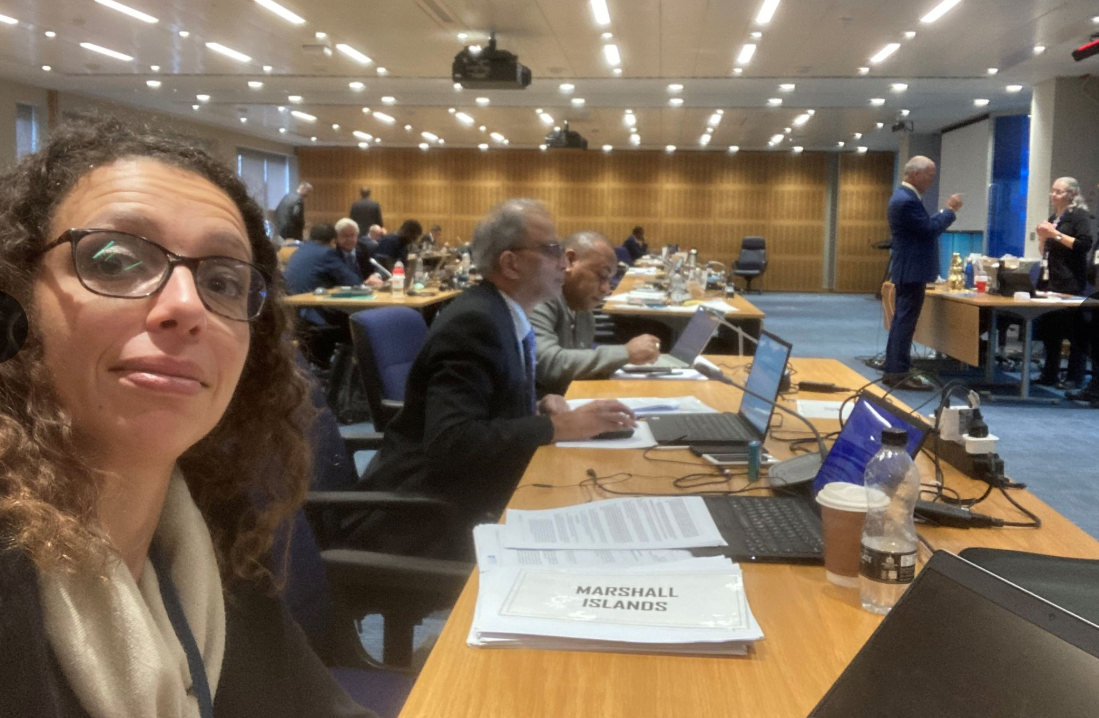 Charlène Ceresola at MEPC 84Regulatory attention is also turning towards real-world system performance. At MEPC 84 in 2026, discussions focused on strengthening type approval testing to better reflect challenging water conditions and provide shipowners with clearer information about BWMS performance. BIO-UV continues to follow these developments while enhancing its operating guidance to help crews manage demanding environments.
Filtration remains a critical part of effective ballast water treatment, whether using UV or electrochlorination. While turbid water can reduce operational efficiency, filtration protects treatment performance and helps ensure consistent compliance. Slower ballasting is often a more acceptable compromise than the operational and regulatory risks associated with bypassing filtration altogether.
Another emerging concern is the growing number of unsupported ballast water treatment systems following manufacturers leaving the market. Without access to spare parts, technical support and essential consumables, maintaining compliance becomes increasingly difficult. Long-term manufacturer support is therefore becoming an important consideration for shipowners.
Looking ahead, real-time biological monitoring could significantly improve ballast water compliance. BIO-UV Group is collaborating with MicroWise to develop continuous monitoring technology capable of verifying treatment performance during ballasting and discharge, providing operators with immediate confidence that discharge water meets regulatory standards.
Recent Concentrated Inspection Campaign (CIC) data highlights the industry's changing priorities. Ballast water treatment systems now account for 46% of detainable deficiencies, ahead of crew training and Ballast Water Management Plan shortcomings. The technology itself is proven, but maintaining compliance increasingly depends on operational excellence, reliable equipment support and giving crews the tools they need to operate ballast water management systems effectively throughout their service life.


 Product directory