Showing 1 to 12 of 13 results
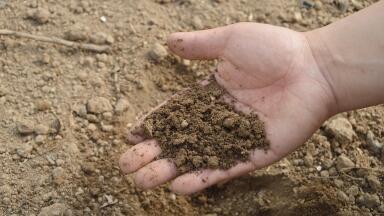
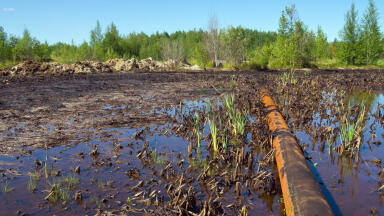
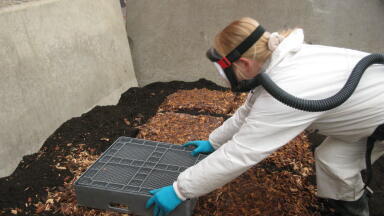
Bioremediation is an environmentally friendly and sustainable approach to cleaning up contaminated sites by using living organisms such as bacteria, fungi, and plants to degrade or remove pollutants from soil, water, and air. This innovative technique harnesses the natural abilities of microorganisms and plants to break down or transform hazardous substances into less harmful forms, ultimately restoring the ecosystem's health.
In bioremediation, specialized microorganisms, known as biodegraders, play a pivotal role. These microbes possess enzymes that can metabolize a wide range of contaminants, including oil spills, heavy metals, pesticides, and industrial chemicals. When introduced to the contaminated area, they break down the pollutants into simpler, non-toxic compounds through biological processes. Alternatively, plants with hyperaccumulating abilities can absorb and accumulate contaminants from the soil, which can then be harvested and disposed of properly.
Bioremediation offers several advantages over traditional remediation methods, such as excavation and disposal. It is cost-effective, reduces the need for transporting contaminated materials, and minimizes environmental disruption. Furthermore, bioremediation is often more sustainable and less harmful to ecosystems, making it a preferred choice for addressing pollution issues. As our understanding of bioremediation continues to advance, it holds great promise in mitigating environmental contamination and promoting the restoration of polluted areas.
 Product directory















.jpg)