Showing 1 to 12 of 57 results
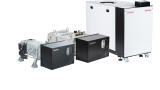
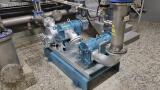
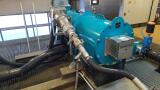
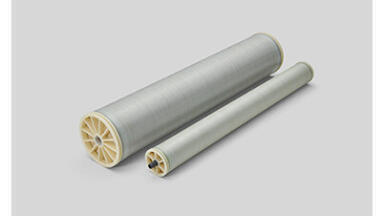
Desalination is the process of removing salt and impurities from seawater or brackish water to produce freshwater. It's a vital technology for water-scarce regions, achieved through distillation or reverse osmosis methods. Distillation involves heating seawater to create steam, leaving behind salt and impurities as freshwater condenses. Reverse osmosis pushes seawater through a semipermeable membrane, allowing water molecules to pass while blocking salts. Desalinated water is suitable for drinking, irrigation, and industrial use. However, desalination can be energy-intensive and has environmental concerns regarding concentrated brine disposal. Despite these challenges, it's crucial for addressing water scarcity, especially in areas with limited freshwater sources.


 Product directory