Showing 1 to 12 of 124 results
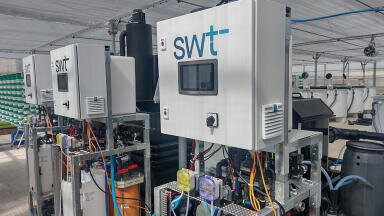
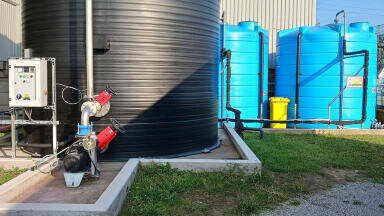
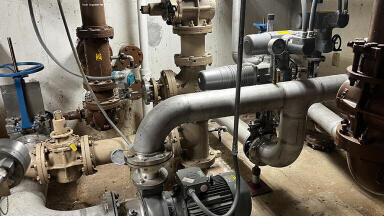
Wastewater treatment is a crucial process that purifies used water, making it safe for release back into the environment or reuse. It involves removing contaminants and pollutants from water collected from various sources, such as industrial processes, households, and urban runoff. This treatment typically follows a series of physical, chemical, and biological steps.
First, screening and sedimentation remove large debris and solids. Then, biological processes, like activated sludge or bacteria, break down organic matter. Chemical treatments, like coagulation and disinfection, target remaining impurities. The resulting treated water meets quality standards, preventing environmental harm and safeguarding public health. Additionally, some treated wastewater can be recycled for non-potable purposes, conserving freshwater resources.
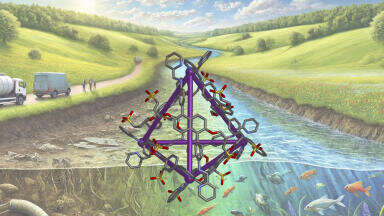
Wastewater treatment is vital for preserving ecosystems and ensuring clean water availability. Its effectiveness varies depending on the level of treatment required and the specific contaminants present. Proper wastewater treatment contributes to sustainable water management, benefiting both human populations and the environment.

 Product directory















.jpg)