Water/Wastewater
A major oil pipeline decommissioning project in North Wales has successfully made a redundant crude oil pipeline safe for centuries, following the removal of nearly 8 million litres of water and oil residue from pipelines that once transported crude oil from the Welsh coast to one of the UK's largest oil refineries.
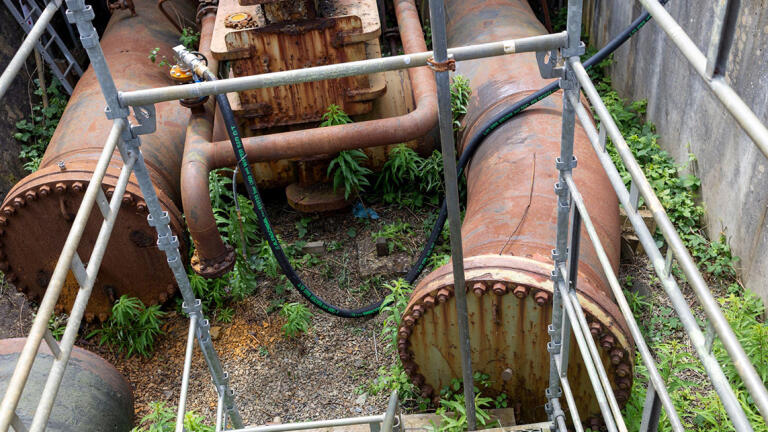
The complex infrastructure project, delivered by Lanes Group on behalf of Arcadis, has permanently decommissioned two 40-inch pipelines buried beneath the Isle of Anglesey. The work ensures the former oil transportation route poses no future environmental or structural risk while protecting the surrounding landscape, an area renowned for its ecological importance and tourism.
The twin pipelines formed the first section of a 79-mile crude oil pipeline that carried oil from offshore tankers on the North Wales coast to the refinery at Ellesmere Port, Cheshire. Installed during the late 1960s, the system operated until the 1990s before being taken out of service.
 Lanes Group pipe decom dewatering MED
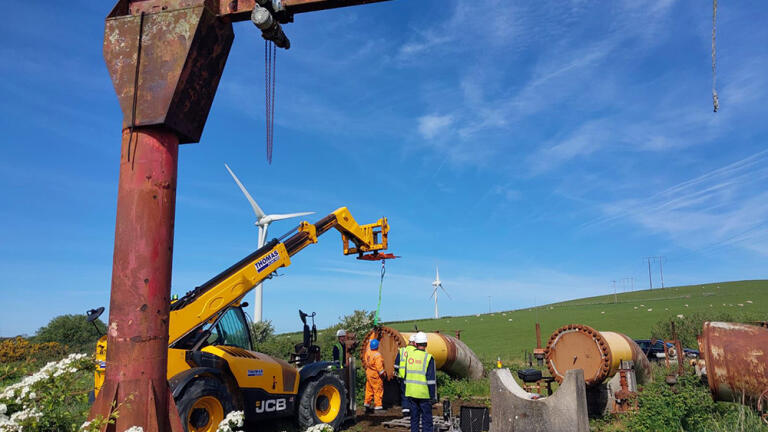
Lanes Group was appointed as principal contractor to deliver the technically demanding project, which took more than two years to complete. Working alongside local engineering, civil engineering, demolition and scaffolding specialists, the company developed a regional supply chain that reduced transport requirements and cut carbon emissions by approximately 8,000kg CO₂e.
Arcadis Principal Consultant Daniel Wood praised the team's performance throughout the programme.
"I was impressed by Lanes Group's diligence throughout the project and the ownership the team took. The company promoted health and safety, which was reflected in the attitudes of contractors on site and the safe delivery of the pipeline decommissioning despite numerous unknowns."
Lanes Group Business Development Director Colin Mackay said the project demonstrated the company's capability to manage large-scale industrial infrastructure safely and sustainably.
"As principal contractor, we brought together a multidisciplinary team to deliver a complex programme while maintaining rigorous cost control, strong stakeholder engagement and the highest standards of health, safety and environmental performance."
The project has since been nominated by the pipeline owner for a sustainability award in recognition of its low-carbon delivery approach.
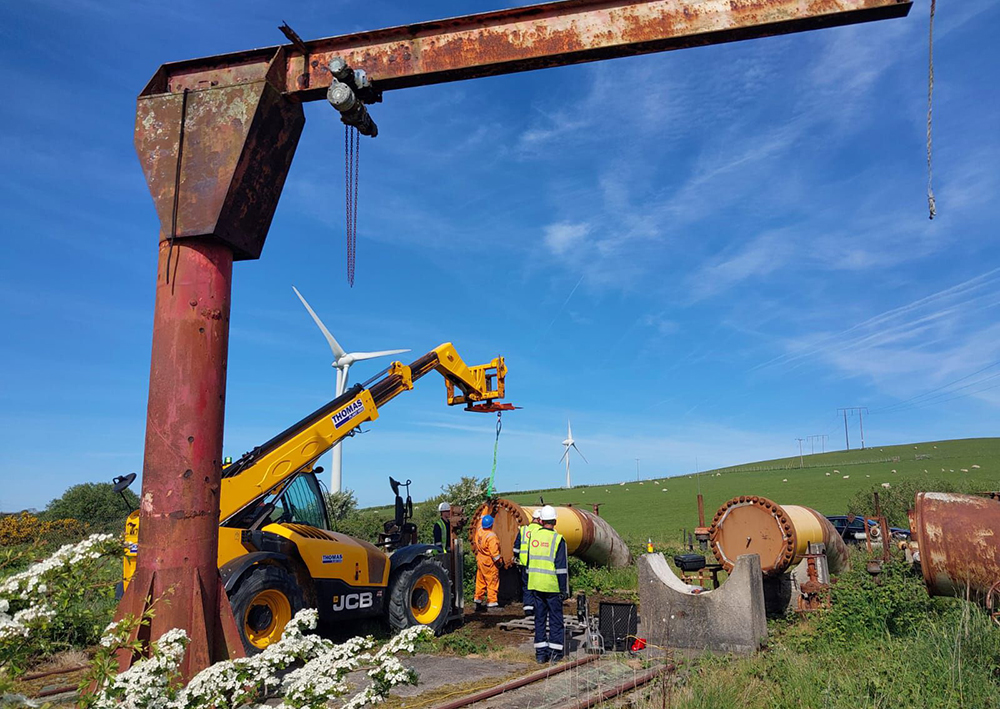 Lanes Group pipe decommissioning MED
One of the greatest engineering challenges was safely removing 7.7 million litres of water containing oil residues from the redundant pipelines without impacting the surrounding environment.
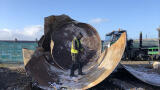
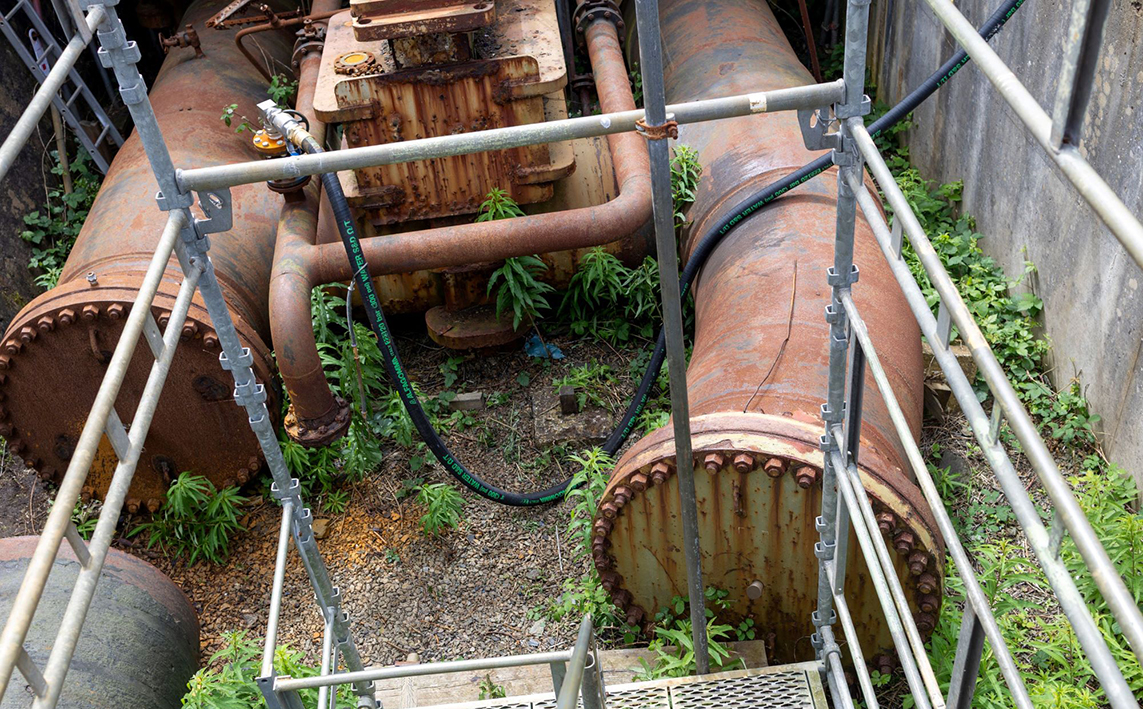
With no original engineering drawings available, the project team first carried out extensive investigations before pressure testing both pipelines with nitrogen. One section required excavation to a depth of four metres so engineers could install a new welded cap before dewatering could begin.
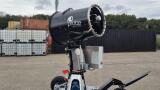
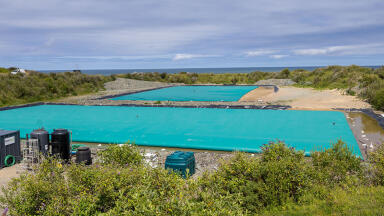
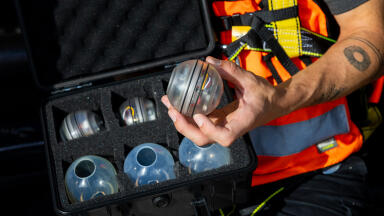
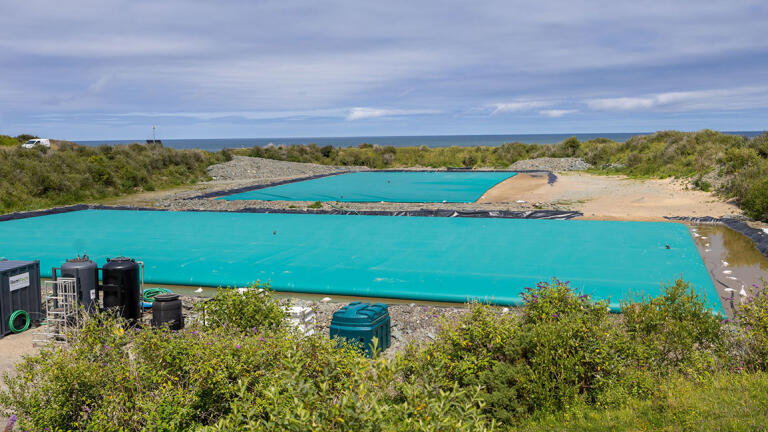
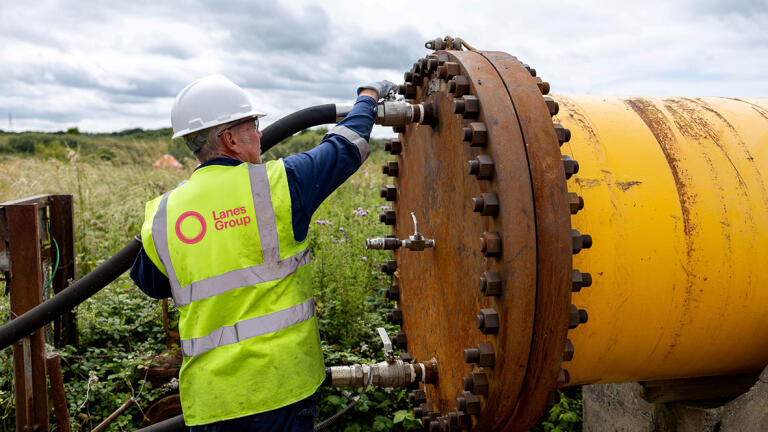
The dewatering operation relied on a specialist pipeline cleaning process known as pigging. Foam pigs were propelled through each pipeline using compressed air, pushing contaminated water towards enormous inflatable storage bags positioned at the coastal end of the system.
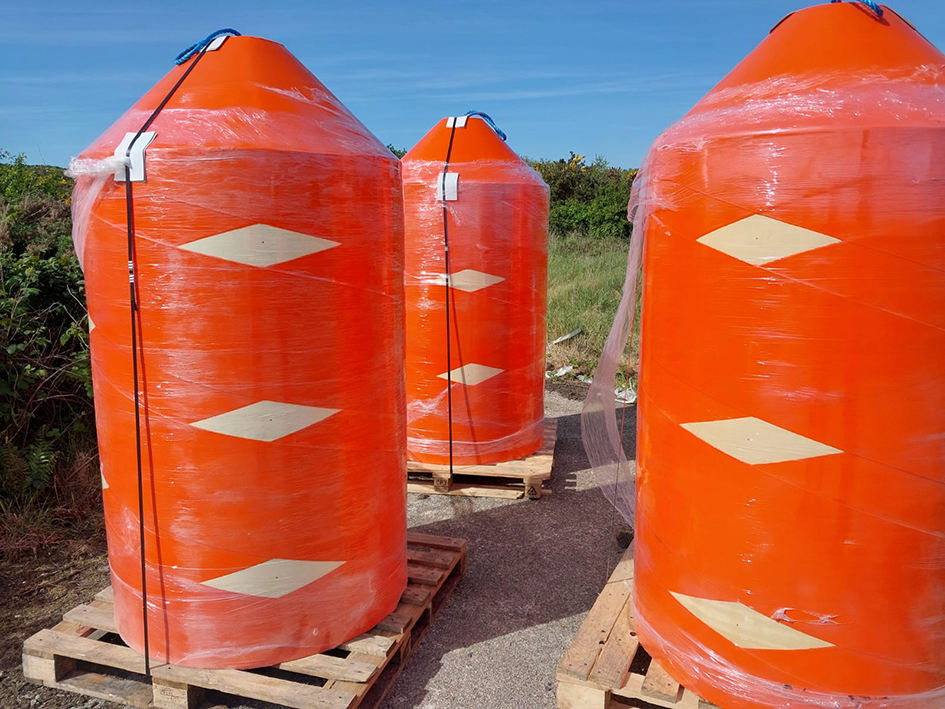 Lanes pipe decom cleaning pigs
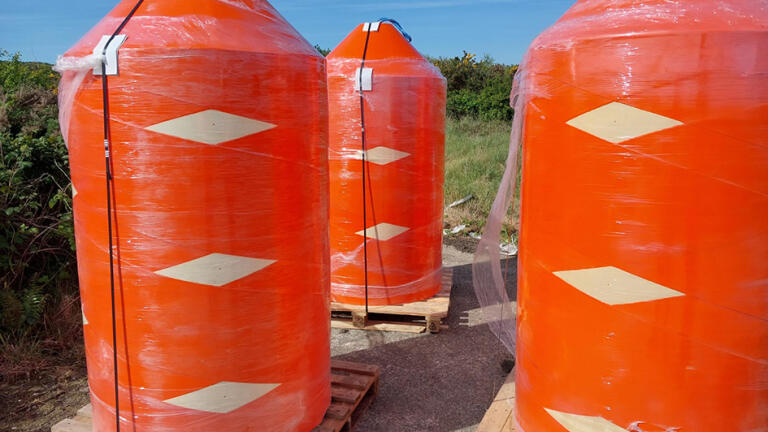
Each temporary storage bag measured 56 metres long, 26 metres wide and held up to two million litres of water.
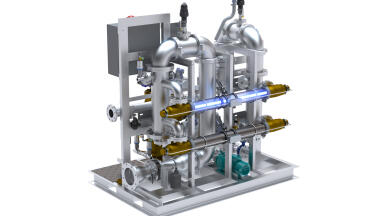
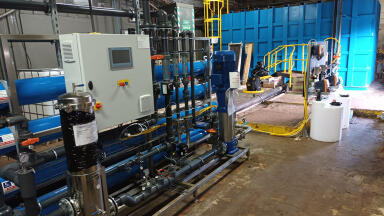
The contaminated water was then passed through advanced carbon and sand filtration systems to remove approximately 5% oil residue and other impurities before being discharged at a controlled rate of 170,000 litres per day to a nearby Dŵr Cymru Welsh Water treatment facility.
Throughout the operation, water quality was continuously monitored by Lanes Group, with regular laboratory analysis undertaken alongside independent testing by Welsh Water. Around 10 tonnes of contaminated waste recovered during the process were transported to a licensed specialist disposal facility.
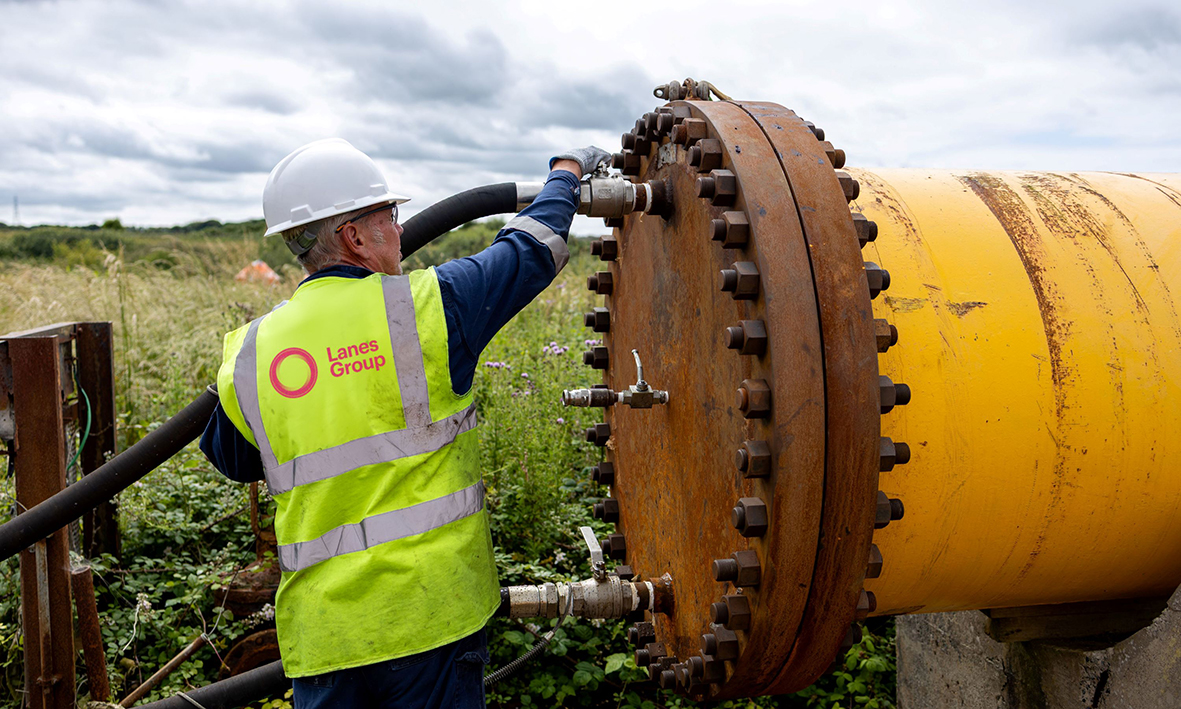 . Lanes pipe decom compressed air control pigging MED
The final phase focused on ensuring the redundant pipeline would remain structurally stable for generations.
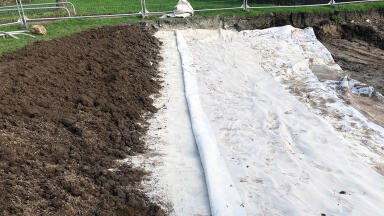
At five road crossings, engineers excavated either side of the carriageways, isolated 55-metre sections of pipe with welded steel plates and filled the sealed sections with concrete. This eliminates any future risk of pipe collapse creating underground voids that could affect road stability.
According to National Technical Manager Phil Bache, some reinforced sections are expected to have a design life of approximately 600 years.
"We had to respond to discoveries as the project progressed because no technical plans existed. Building a local supplier network gave us the flexibility to overcome challenges quickly while reducing costs and emissions. Our decommissioning work has ensured this redundant pipeline is safe for future generations."
The successful completion of the Anglesey pipeline decommissioning demonstrates how careful planning, specialist engineering expertise and sustainable construction practices can safely retire ageing energy infrastructure while protecting environmentally sensitive landscapes.
By removing millions of litres of contaminated water, preventing future structural failures and significantly reducing project emissions through local sourcing, the programme provides a model for safe, sustainable pipeline decommissioning across the UK energy sector.

 Product directory