Water/Wastewater
BIO-UV Group has entered into a strategic partnership with water-monitoring specialist MicroWISE to develop next-generation ballast-water treatment and verification solutions, responding to increasing regulatory pressure and growing interest in port-side reception facilities.
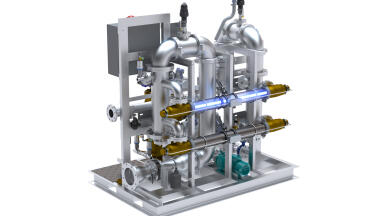
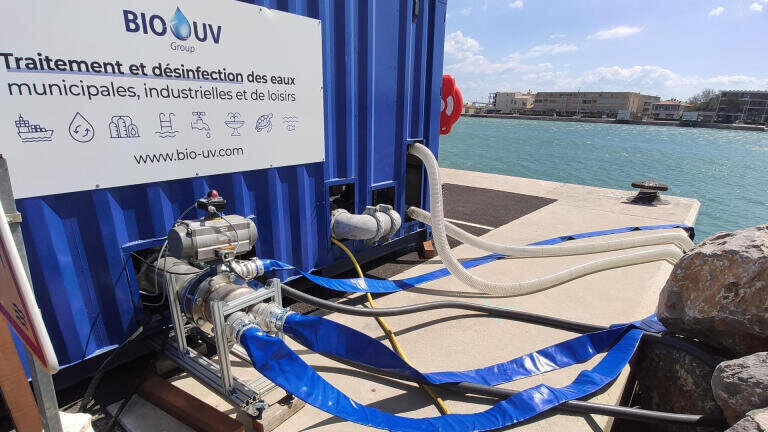
The collaboration brings together BIO-UV Group’s established BIO-SEA ballast-water treatment technology with MicroWISE’s real-time organism analysis, creating an integrated approach that combines effective treatment with immediate compliance verification.
The partnership comes at a pivotal time for the maritime sector. While ballast-water management systems (BWMS) have now been installed across most of the global fleet, port-state control inspections continue to reveal inconsistent system performance and ongoing non-compliance with the D-2 discharge standard.
Many shipboard systems struggle to meet biological discharge limits under real operating conditions, and authorities often lack rapid, reliable tools to verify compliance at the point of discharge. As a result, ports are increasingly considering dedicated ballast-water reception and treatment capabilities to safely manage non-compliant discharges, reduce congestion, and avoid vessel delays or detentions.
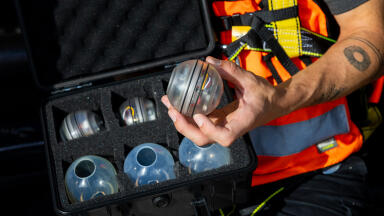
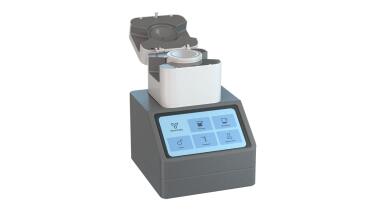
MicroWISE’s biological monitoring technology provides accurate, in-line detection and quantification of viable organisms, allowing compliance to be assessed before ballast water is discharged. By integrating real-time organism monitoring into port-side treatment systems, BIO-UV Group aims to deliver solutions that allow ports to process ballast water efficiently without disrupting operations.
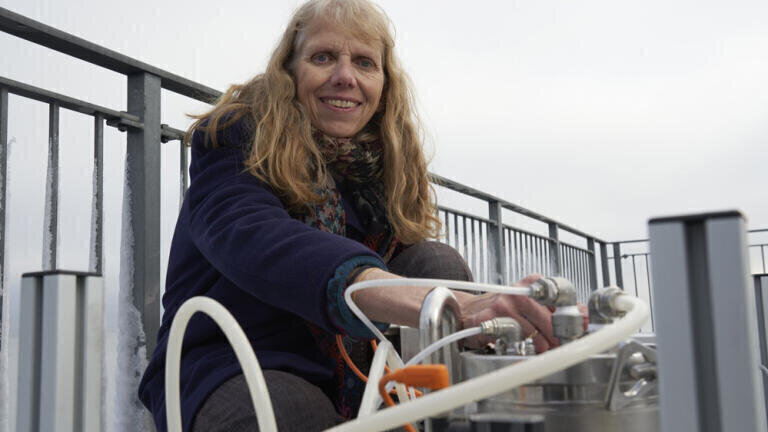
“One of the biggest challenges for ports is obtaining reliable biological data in real time,” said Pia Haecky, CEO of MicroWISE. “By providing independently verifiable organism counts at the point of treatment, we enable ports and regulators to make fast, transparent decisions about ballast-water discharge. Our technology delivers precise biological data, and when paired with a treatment system that consistently meets required limits, it creates a compliance pathway that is both scientifically robust and operationally practical.”
Maxime Dedeurwaerder, Business Unit Director for BIO-UV Group’s maritime division, said the partnership reflects a proactive response to tightening regulatory expectations.
“As enforcement of the D-2 standard becomes more stringent, ports and operators increasingly recognise the need for reliable biological monitoring alongside proven treatment performance,” he said. “By combining BIO-SEA UV treatment with real-time organism analysis from MicroWISE, we are setting a new benchmark for compliance verification.”
The two companies will also pursue joint research and development in areas including sediment removal, flocculation processes, and a potential single-pass treatment configuration aimed at improving efficiency and reducing the footprint of port-side systems. The collaboration supports BIO-UV Group’s broader strategy to expand into the environmental infrastructure market as ports incorporate onshore treatment into long-term investment plans.
Dedeurwaerder added that real-time verification of biological compliance will become increasingly critical as inspection regimes intensify. “Many vessels are equipped with systems that do not consistently perform under operational conditions. As compliance responsibility shifts toward ports, authorities will need scalable, practical solutions to manage non-compliant discharges. The combination of BIO-SEA treatment and MicroWISE monitoring delivers the confidence and traceability ports are seeking.”
BIO-UV Group reports growing international interest in port-side ballast-water treatment solutions, with validation work continuing through 2026. Both companies expect integrated treatment and verification technologies to play an increasingly central role in ballast-water compliance as environmental regulation expands and enforcement becomes more rigorous.
BIO-UV Group and MicroWISE said the partnership marks a significant step toward enabling reliable, transparent, and enforceable ballast-water compliance amid rising regulatory scrutiny.


 Product directory