Waste management
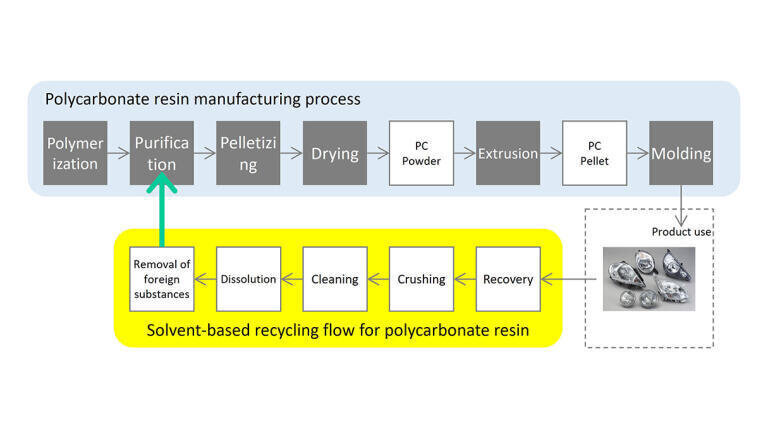
Teijin Limited have announced that it is advancing the use of solvent-based recycling technology to produce high-quality recycled polycarbonate (PC) resin with performance on par with virgin material. The emerging process dissolves waste PC in a solvent and separates pure polymers from surface coatings and other contaminants, addressing the limitations of mechanical recycling—such as material degradation—as well as the high costs and carbon intensity associated with chemical recycling.
The introduction of more robust recycling technologies has become increasingly urgent, particularly in Europe, where the draft End-of-Life Vehicles (ELV) regulation would require automakers to incorporate recycled plastics sourced from scrapped vehicles into new models.
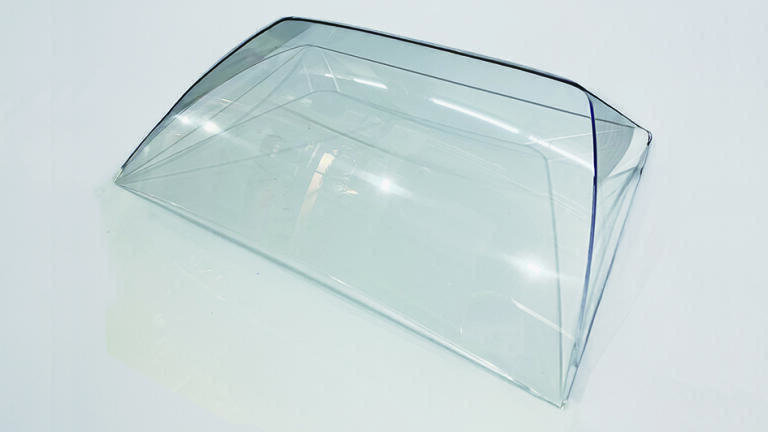
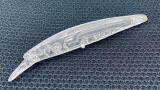
Polycarbonate resin, valued for its transparency and impact resistance, is widely used in automotive components and electrical and electronic equipment. However, waste PC often contains contaminants that compromise the clarity, appearance and performance of recycled material. To overcome this, Teijin is developing solvent-based recycling specifically for waste PC sourced from products such as end-of-life vehicle headlamps.
Teijin begins with PC waste that has already undergone conventional crushing and washing but remains unsuitable for applications demanding high transparency. The material is then dissolved in a solvent, allowing impurities to be removed and the pure polymer to be recovered. The resulting PC resin retains key properties—including transparency—that closely match virgin resin.
Because the recycled resin achieves high optical quality, it can be used in both closed-loop and horizontal recycling applications, such as converting discarded vehicle headlamps into new lighting components or other transparent parts. This supports greater use of recycled materials and helps manufacturers comply with upcoming regulatory requirements.
The solvent-based process also provides economic and environmental benefits. Unlike chemical recycling, it does not break materials down to their molecular components, reducing both production costs and energy use. Fewer processing steps further contribute to lower CO₂ emissions compared with chemical recycling routes.
Teijin aims to commercialise solvent-based recycled PC resin in fiscal year 2026 and will continue advancing research and development to further enhance material quality and expand its applications.
 Product directory















-from-Chesterton-House-Farm,-with-Giles-Russell-from-Midland-Slurry-Systems.jpg)



.jpg)
.jpg)