Waste management
Published over 3 years ago. See the latest and most current information on Waste management.
Fishing nets are mainly made from chemical fibers such as nylon and polyester to prevent rot as well as to ensure excellent strength and easy maintenance. Whereas common nylon fishing nets are generally easy to recycle with an established process, recycling polyester fishing nets has been technically difficult and also costly due to the lack of a dedicated process. In recent years, discarded polyester fishing nets in Japan have accounted for about 1,300 tons of landfill waste annually.
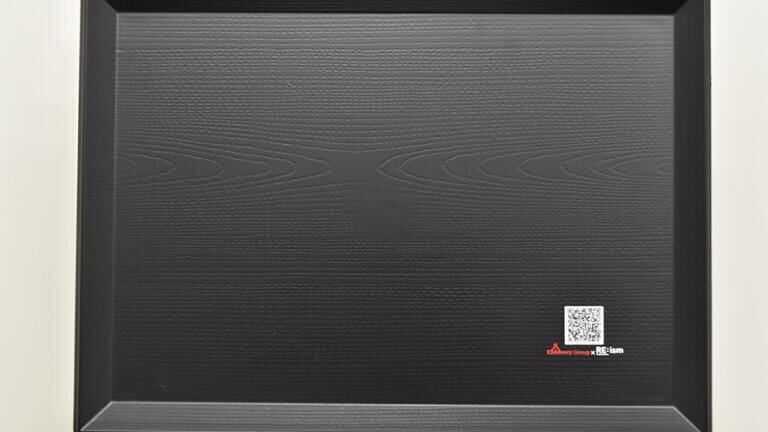
But in April 2021, a breakthrough solution was launched by Teijin Limited and four additional enterprises specialized in fields including fishing net manufacturing, plastic molding, fiber processing and resin processing. Under the new system, it is now possible to collect polyester fishing nets and recycle them into resin that can be used to make commercially marketable trays and stationery.
Initially, the partners faced two major tasks. First was the challenge of developing a technology capable of cleaning smelly, waterlogged fishing nets and stripping the polyester of coatings applied to improve durability. Teijin and the other partners eventually identified organic solvents that can be used in an environmentally friendly cleaning process to produce virtually odorless resin that can be recycled repeatedly.
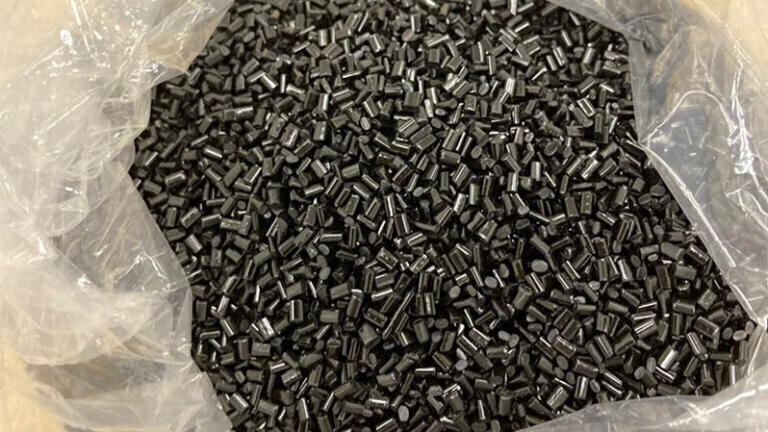
The second big challenge was profitability. Raw polyester costs less than many other materials, so the companies knew that its resin would not be price-competitive if the cleaning and drying processes incurred prohibitive costs. The companies’ solution was to devise a method for manufacturing high-quality resin pellets containing a mixture of other recycled resins added to improve durability and heat resistance.
Thanks to this project’s success, commercially viable resin recycled from fishing nets is now being used to produce food trays for a restaurant chain in Japan. Teijin is responsible for collecting and cleaning the nets and selling the final products.
Going forward, Teijin aims to promote the new recycling system for the global production and sale of various practical products. The hope is to realize locally produced and locally consumed products in efficient circular economies that incur little energy loss. Along with strengthening the traceability of fishing nets, Teijin initially aims to recycle 1,000 tons of polyester fishing nets annually by 2030.
 Product directory
















-from-Chesterton-House-Farm,-with-Giles-Russell-from-Midland-Slurry-Systems.jpg)





.jpg)

.jpg)