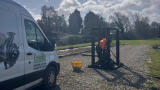
-from-Chesterton-House-Farm,-with-Giles-Russell-from-Midland-Slurry-Systems.jpg)
Waste management
A new slurry separator, chopper pump and mixer system has significantly improved slurry handling and nutrient management at Chesterton House Farm, a thriving dairy farm in Harbury near Royal Leamington Spa, Warwickshire.
The family-run farm, home to 105 Holstein dairy cows, had been facing ongoing slurry management challenges, with slurry often too watery for efficient spreading yet too thick to pump effectively. The outdated system was also contributing to soil compaction across the farm’s 200 acres of grassland used for silage production.
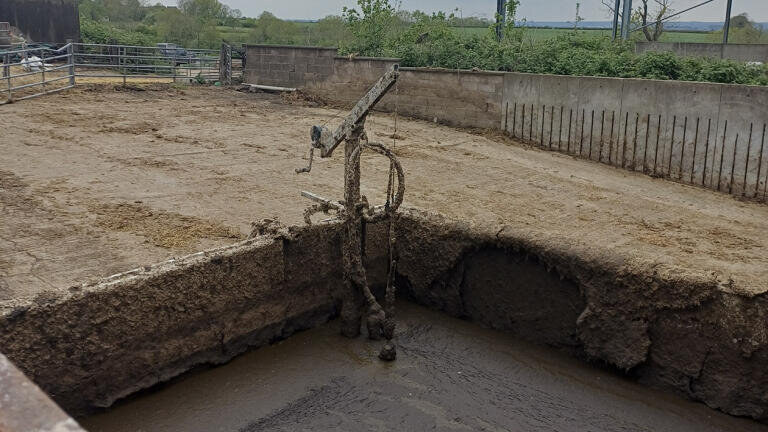
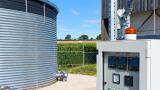
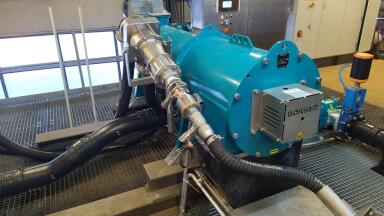
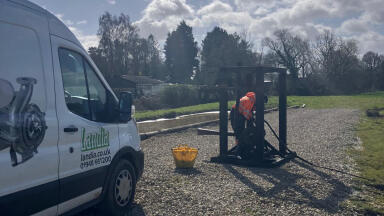
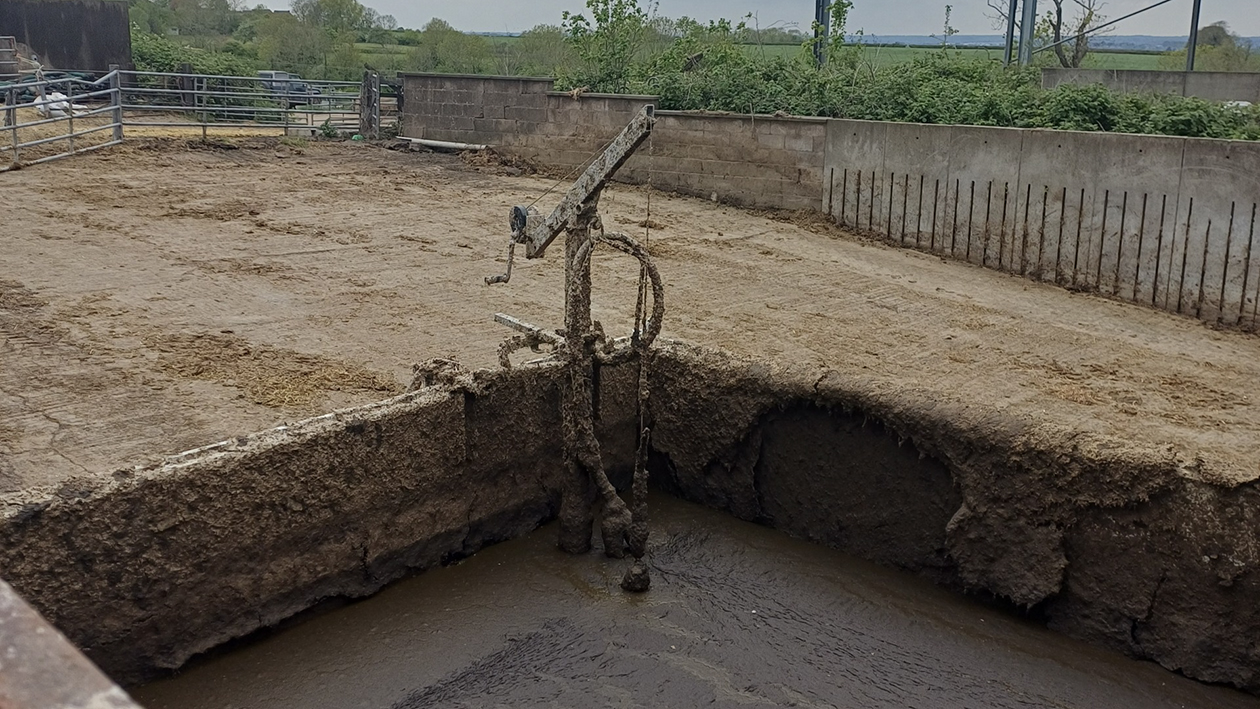 The Landia mixer homogenises slurry at Chesterton House Farm in Harbury
George Clarke, who runs the farm in partnership with owner Louise Trice, explained that the previous slurry setup was no longer fit for purpose.
“What we had before was essentially just a pit where all the scrapings went, so it was a mess. At silage time, we could clearly see the compaction in the fields from the spreader wheel marks, and the grass growth suffered as a result.”
The poor consistency of the slurry created major difficulties for spreading operations, leading to puddling, inefficient nutrient use and reduced grass performance.
George added:
“Seeing large puddles being made everywhere by the spreader wasn’t good at all. As part of moving the farm forward, we knew it was time to invest in a better slurry management solution.”
To modernise the operation, Chesterton House Farm worked with Midland Slurry Systems, based in nearby Shipston-on-Stour. The company has supported the farm for decades and collaborated closely with George to design a practical, low-maintenance slurry solution.
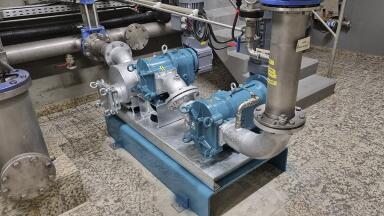
The installation includes:
The automated setup processes approximately 9m³ of slurry per day and was fully installed within just three days.
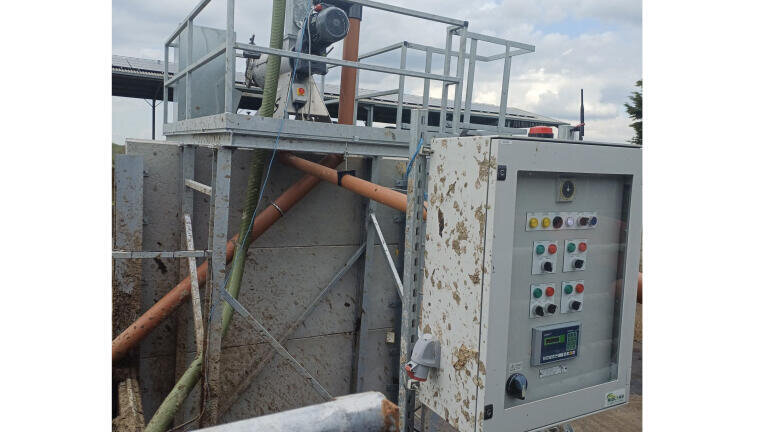
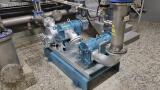
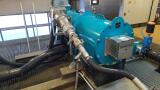
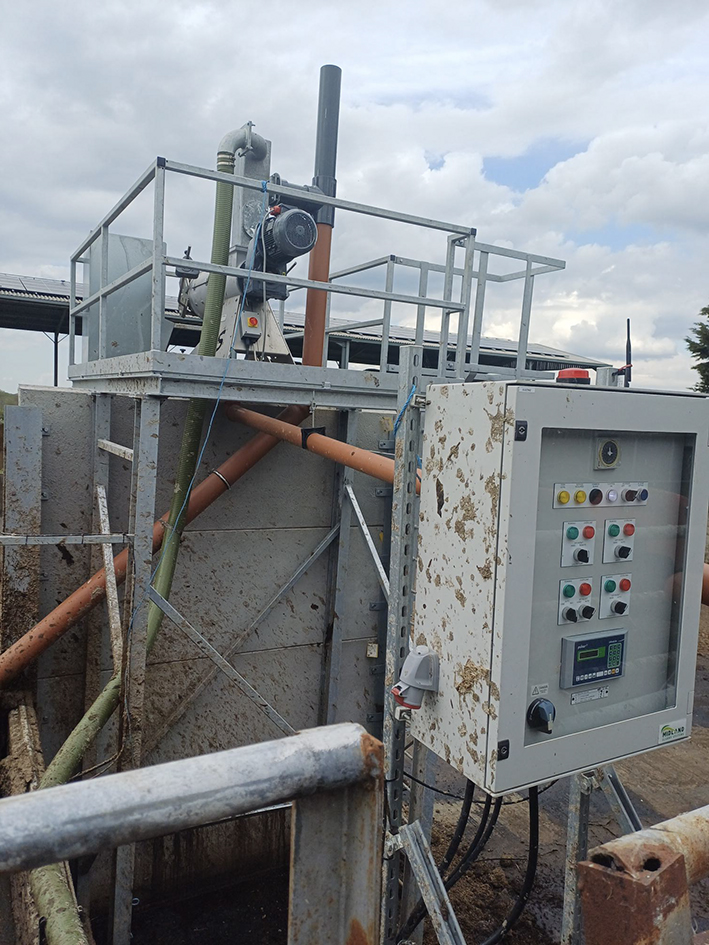 The Separator mechanically separates the solid and liquid fractions of the fibre-rich slurry, whilst the Landia Chopper Pump continuously reduces particle sizes
According to Giles Russell of Midland Slurry Systems, the Landia mixer plays a crucial role in maintaining consistent slurry quality.
“The Landia mixer does an excellent job of homogenising the slurry, allowing the fibre portion to move smoothly across the separator screen and helping keep it clean. We’ve also programmed the separator so it can reverse, which helps extend its lifespan. We know Landia pumps and mixers are built for long-term reliability.”
George Clarke, who began working on the farm at just 13 years old, said the system has already proven highly dependable.
“The only real issues come from incidental solids that you’d find on any farm, such as string or hedge trimmings. Overall, the system is extremely reliable and saves us a lot of time.”
He explained how the automated process works:
“The Landia mixer starts first to create a good swirl and blend the slurry. Then the Landia Chopper Pump and separator start operating. During wet winter periods, the system runs daily, while in drier conditions it only runs every three to four days.”
The slurry system also benefits from the farm’s investment in renewable energy.
“Since installing 50kW of solar panels, the running costs are very low,” George said. “Everything has been highly reliable, and Midland Slurry Systems are always available if we need support or advice.”
Separated liquid slurry is pumped to a new lagoon measuring 75m x 35m x 4.5m deep, while the solid fibre fraction is supplied to a neighbouring arable farmer.
The new slurry management system is expected to deliver significant agronomic benefits, including improved grass growth and lower fertiliser costs.
“We’re expecting a noticeable improvement in grass growth for silage production, as well as a reduction in the amount of bagged fertiliser we need to buy,” George explained.
By improving nutrient utilisation and reducing field compaction, the farm hopes to enhance both productivity and sustainability.
Alongside investing in slurry handling technology, Chesterton House Farm has also diversified its business through direct-to-consumer milk sales.
The farm’s vending machines now sell up to 1,000 litres of fresh milk per week, alongside eggs, yoghurt and cakes. A coffee machine has also been added, transforming the site into a popular village hub.
The farm supplies milk to Arla Foods, with each cow producing approximately 10,000 litres of milk annually.
George said the vending initiative has strengthened relationships with the local community.
“It’s definitely improved our relationship with the village. People now have a much better understanding of the work we do and the role the farm plays in the community.”



 Product directory














-from-Chesterton-House-Farm,-with-Giles-Russell-from-Midland-Slurry-Systems.jpg)
.jpg)