Waste management
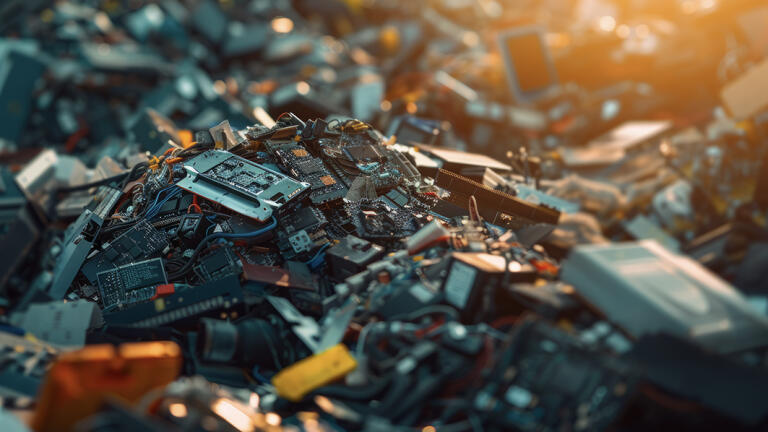
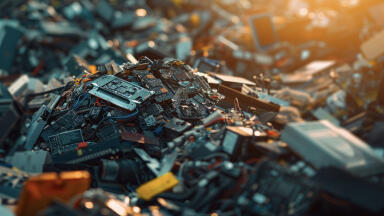
Researchers at Queen’s University Belfast are leading a major £2.9 million international research project aimed at tackling the growing challenge of electronic waste (e-waste) in Malaysia through innovative recycling technologies and sustainable resource recovery.
The project, known as iRECYCLE-Malaysia, brings together experts from the UK and Malaysia to develop environmentally friendly solutions for recovering valuable materials from discarded electronic devices such as smartphones, laptops, computers and other consumer electronics.
Scientists from the School of Chemistry and Chemical Engineering at Queen’s University Belfast have secured £2.3 million of the total funding and are spearheading the international collaboration.
The research team is developing advanced green chemistry technologies to recover precious and critical metals from electronic waste, including gold, copper, rare earth elements and other valuable materials used in modern electronics.
The project focuses on creating sustainable electroleaching and mild leaching processes that can efficiently extract these materials while minimising environmental impact. Researchers are also working to scale up these technologies from laboratory testing to industrial application.
Alongside metal recovery, researchers from Queen’s School of Mechanical and Aerospace Engineering are developing innovative methods to separate, recycle and reuse plastic components found in printed circuit boards.
The aim is to reduce pollution caused by electronic waste while creating safer, more sustainable recycling pathways for polymer materials that are often difficult to process using conventional methods.
Professor Peter Nockemann, who leads the Queen’s University Belfast team, said:
"Our international research partnership has made significant progress during the first year of the project. We have developed promising electroleaching and mild leaching technologies that can recover valuable metals from electronic waste in a more sustainable way."
He added:
"Electronic waste is one of the fastest-growing waste streams in the world. If not properly recycled, it can release hazardous substances such as lead, mercury and cadmium into soil and water systems. However, e-waste also represents a valuable urban mine containing precious metals and critical raw materials essential for modern technologies."
"By combining expertise in green chemistry, engineering and materials recovery, we are creating innovative solutions that can help transform e-waste into a valuable resource while reducing environmental pollution."
Malaysia generates approximately 365,000 tonnes of electronic waste every year, with projections indicating that annual e-waste volumes could reach 1.4 million tonnes by 2030.
In addition to domestically generated waste, Malaysia has historically received significant quantities of illegally imported electronic waste from developed nations.
The global waste monitoring organisation Basel Action Network (BAN) recently described the flow of e-waste into Southeast Asia as an almost “invisible tsunami”, highlighting the urgent need for improved recycling infrastructure and stronger environmental protections.
In February 2026, the Malaysian government introduced a complete ban on electronic waste imports, stating that the country would no longer serve as a dumping ground for global waste.
The iRECYCLE-Malaysia initiative extends beyond scientific research and technology development.
The project brings together chemists, engineers, environmental scientists and economists from Queen’s University Belfast and partner institutions in Malaysia to create practical solutions that support the country's transition toward a circular economy.
A key focus of the programme is engagement with Malaysia’s informal recycling sector, which currently processes approximately 75% of the nation’s electronic waste, often under unsafe working conditions.
Researchers aim to support safer, formalised recycling systems that protect workers, reduce environmental harm and maximise the recovery of valuable materials from discarded electronics.
The iRECYCLE-Malaysia consortium meets regularly through international symposiums that promote knowledge exchange between researchers, policymakers and industry leaders.
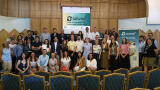
Following the successful UK-Malaysia E-Waste Futures Symposium held in Kuala Lumpur in December 2025, the second symposium will take place in Belfast in June 2026.
Professor Nockemann said:
"Through collaboration, innovation and knowledge sharing, we believe we can help create a cleaner, safer and more circular e-waste ecosystem across Southeast Asia. The Belfast symposium will provide an important platform for showcasing progress and building new international partnerships."
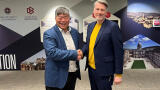
Queen’s University Belfast is working alongside researchers from Universiti Teknologi PETRONAS (UTP) and the University of Malaya (UM).
The iRECYCLE-Malaysia project is funded by the UKRI Ayrton Fund Challenge Programme, which supports equitable research partnerships between UK institutions and in-country researchers to deliver locally relevant, sustainable and impactful solutions to global challenges.
The project focuses on electronic waste recycling, precious metal recovery from e-waste, green chemistry innovations, sustainable resource recovery, rare earth element extraction, circular economy development, plastic recycling technologies, environmental protection in Southeast Asia, UK-Malaysia research collaboration and sustainable industrial recycling.

 Product directory







-from-Chesterton-House-Farm,-with-Giles-Russell-from-Midland-Slurry-Systems.jpg)

.jpg)