Water/Wastewater
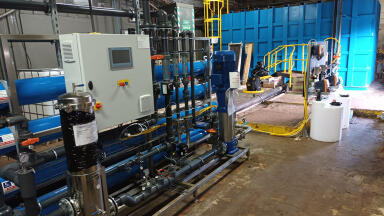
Microfibre pollution from large-scale laundry operations is emerging as a significant yet largely invisible environmental challenge. New research led by the University of Portsmouth is working to better understand the scale of the issue and identify ways to prevent it at source, using industrial filtration technology already deployed in commercial settings by Cleaner Seas Group.
The study builds on earlier findings showing that a single domestic wash can release more than 700,000 microfibres from clothing. Researchers are now shifting focus to industrial laundry systems, where the volume of washing—and the potential for pollution—is far greater.
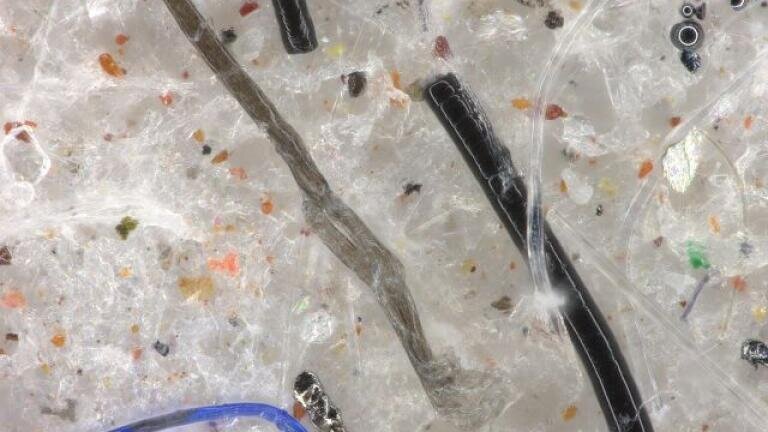
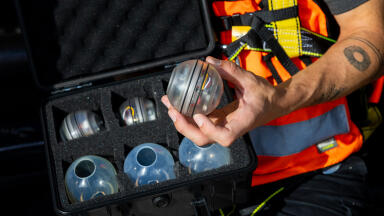
Initial results from in-situ trials highlight the extent of the problem. A preliminary subsample collected from a filtration unit revealed hundreds of microscopic plastic fibres compressed into an area smaller than a pound coin. Further laboratory analysis will examine a broader range of samples gathered from cruise ships and hotels, providing insight into the quantity and composition of fibres captured from greywater when filtration systems are installed.
Research Associate Felicity Webster, from the Revolution Plastics Institute, is leading the early investigations. She noted that even the first subsample revealed a striking concentration of fibres, and that ongoing analysis over the coming months will clarify both the volume and types of microfibres generated by industrial laundry, as well as the effectiveness of filtration in preventing their release.
The project will continue testing washing machines in real-world environments over the next four months, with support from industry partners. The aim is to generate robust evidence that filtration systems can significantly reduce the number of fibres entering marine and terrestrial ecosystems.
The relevance of this research is underscored by the scale of industries such as cruise tourism. In 2022, around 1.7 million UK residents took cruise holidays. Large vessels carrying up to 6,000 passengers and crew can produce between 900,000 and 1.2 million litres of greywater daily equivalent to as many as 8,000 bathtubs. A substantial share of this comes from onboard laundries, which process tonnes of textiles each day, including vast quantities of bedding, towels, and uniforms.
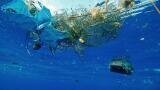
Professor Fay Couceiro highlighted that microfibres are now found throughout the environment—from deep ocean sediments to the food we consume—yet public awareness remains low. When multiplied across large-scale operations such as cruise ships and hotels, the environmental impact becomes significant. Addressing pollution at its source, she emphasised, is one of the most effective ways to protect ecosystems and mitigate long-term harm.
Dave Miller, CEO of Cleaner Seas Group, pointed to the rapidly evolving regulatory landscape and the growing importance of water and wastewater management in sectors like tourism. He stressed that while microfibre pollution may be invisible, its cumulative impact is substantial. Tackling the issue requires not only measuring and reporting it but actively implementing solutions. He also referenced the principle of One Health, which recognises the interconnected wellbeing of oceans, ecosystems, and human populations.
The study’s findings will contribute to broader evidence base on microfibre pollution and the role of filtration technologies in industrial laundry systems. As regulatory attention on water and waste intensifies, the research highlights the importance of practical, scalable solutions that can be implemented in real-world settings.
Results from the study are expected later this year.


 Product directory
























.jpg)