Water/Wastewater
Published over 12 years ago. See the latest and most current information on Water/Wastewater.
The latest water industry Asset Management Plan (AMP6) which covers the investment period from April 2015 to March 2020 looks set to open up new opportunities for technology companies that supply low cost solutions to enable water utilities to utilise existing assets more efficiently. Cutting waste water treatment costs is high on the list of priorities, especially in terms of energy saving. Wastewater expenditure is anticipated to develop significantly over the AMP6 period, with nearly £2.2 billion projected to be spent on water treatment by the utilities in the final year of the AMP6 plan in 2020 alone.
Over the whole period of the Plan, wastewater expenditure is forecast at nearly £21 billion across all companies, with up to 50% of this accounted for by wastewater treatment costs, as the water companies are obliged to improve performance to meet the new discharge standards prescribed by European regulation.
With water bills widely expected to remain at the same levels over the next five years, a clear challenge for water companies to identify and drive through efficiencies in their business and their supply chains has been created. For supply chain companies capable of offering the utilities significant savings through better usage of existing assets, there could be booming business opportunities.
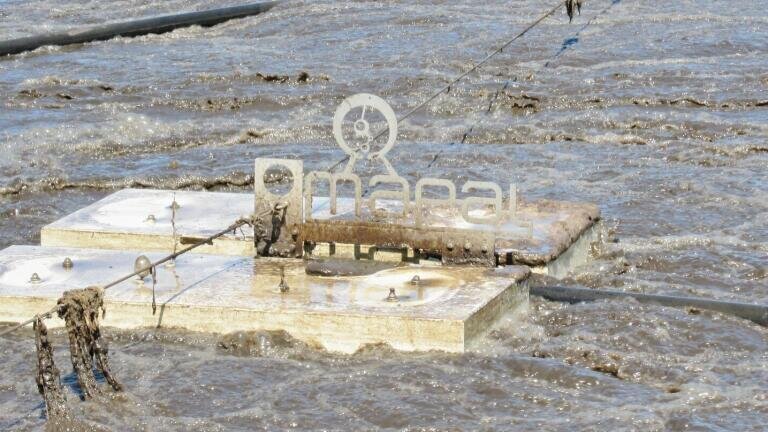
Proven systems such as Mapal Green Energy’s floating fine bubble aeration, which was installed last year by Anglian Water and this year by United Utilities, deliver against these objectives and offer the utilities a quick win in the struggle to drive down costs.
This new emphasis on reducing total expenditure or “Totex” means that operational costs are now a key factor when calculating the cost-effectiveness of planned solutions, such as wastewater treatment. A holistic approach will necessitate technology providers being involved at an earlier stage in the programme delivery decision cycle, as the utilities need to fast track learning in areas such as energy reduction and maintenance savings.
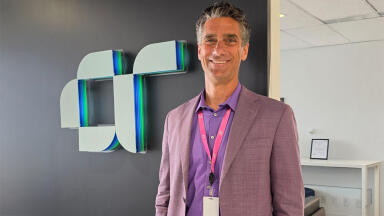
Zeev Fisher, CEO of Mapal Green Energy, the developers of floating fine bubble aeration technology said, “Ofwat’s new focus on a total expenditure model means wastewater processors will now need to adopt a more whole asset life cycle approach to projects. This implies looking carefully at both the capital cost and importantly the lifecycle cost of operation, which now need to be taken into account. For the first time, therefore, running costs are now a significant focus for cost reduction initiatives.”
Mapal's floating fine bubble aeration is designed to replace mechanical and subsurface aeration systems, where a biological treatment is required. They offer operators a number of advantages outside of energy cost reduction – the equipment can be retro fitted, even leaving the existing aeration system in place, if required. The process is quick, as tanks do not need to be drained, so downtime is cut and with no moving parts, maintenance costs are reduced significantly.
 Product directory













.jpg)
.jpg)