

Water/Wastewater
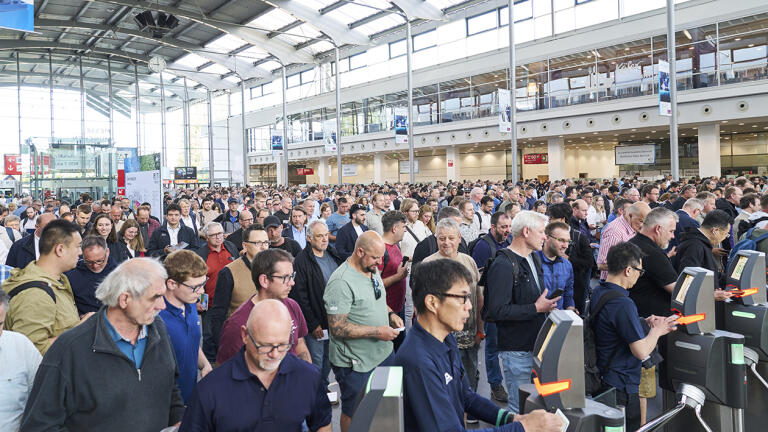
Celebrating its 60th anniversary, IFAT Munich 2026 reinforced its position as the world’s leading trade fair for environmental technologies, drawing around 142,000 visitors from nearly 160 countries and regions. Held from 4–7 May in Munich, the event featured a record-breaking 3,400 exhibitors from around 60 countries showcasing innovations in water management, recycling, waste management, and circular economy solutions.
Spanning 300,000 square metres, IFAT Munich 2026 highlighted how environmental technologies are rapidly evolving into a major global industry. Against a backdrop of geopolitical instability, supply chain disruptions, and climate pressures, the event underscored the growing importance of resilient infrastructure, resource efficiency, and sustainable industrial systems.
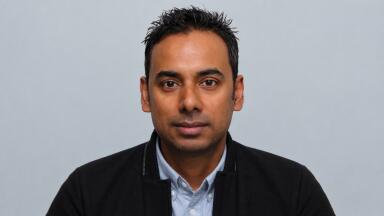
Stefan Rummel, CEO of Messe München, said the record attendance reflects the rising strategic importance of circular economy and water management technologies. He noted that IFAT Munich serves as a critical platform for knowledge sharing, innovation, and dialogue between industry leaders and policymakers shaping the future of environmental sustainability.
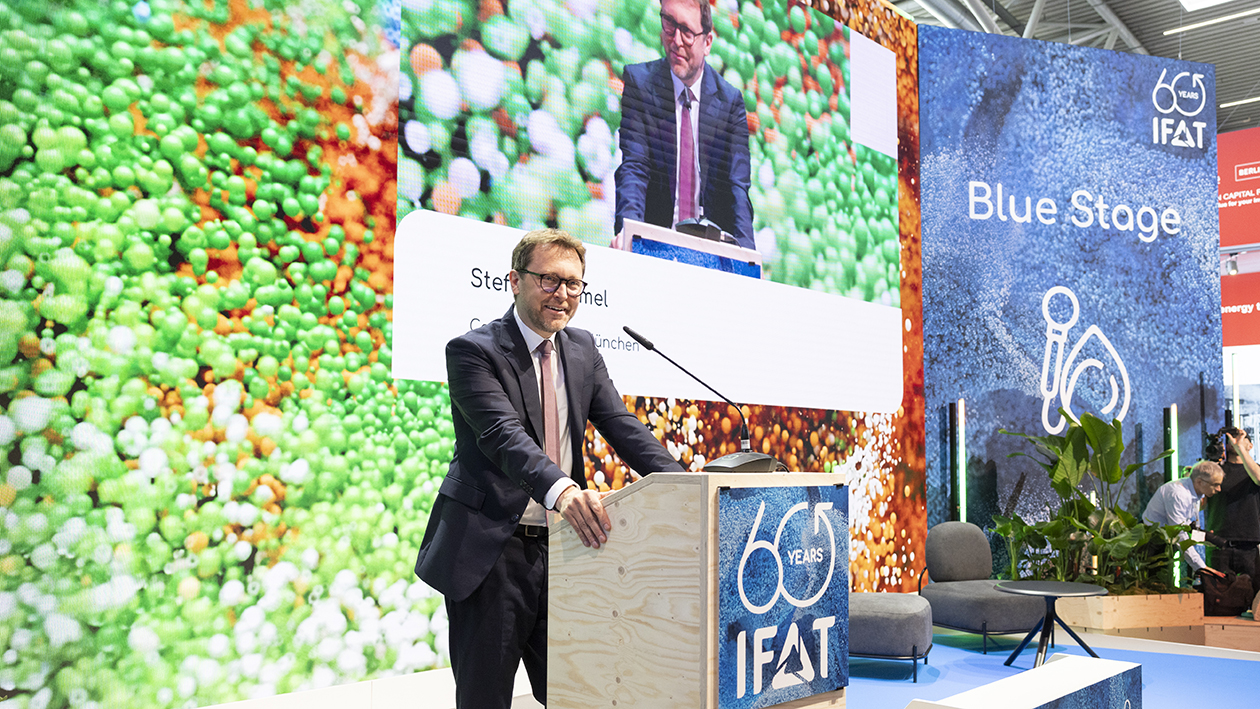 Messe München CEO Stefan Rummel welcomed around 3,400 exhibitors to Munich. © Messe München GmbH
A major focus of IFAT Munich 2026 was the economic potential of the circular economy. A study by Boston Consulting Group, presented on behalf of the Federation of German Industries (BDI), revealed that Germany’s circular economy could more than double its gross value added from €60 billion today to as much as €125 billion by 2045.
The report also projected cumulative economic gains of up to €880 billion by 2045 through recycling, reuse, and resource recovery initiatives. Additionally, circular systems could replace 20–40 per cent of strategic raw material imports, strengthening Europe’s resource security and reducing dependency on primary raw materials.
Industry leaders emphasised that closed-loop material cycles and resource-efficient production are now essential for economic resilience and competitiveness. Dr Johannes F. Kirchhoff, Chairman of the IFAT Munich Advisory Board, described the transition to a circular economy as critical for long-term industrial growth and stability.
Water resilience and infrastructure security emerged as another key theme during the event. Discussions focused on protecting critical water systems from cyber-attacks, sabotage, flooding, drought, and extreme weather linked to climate change.
Rainer Köhler, Chief Technology Officer at Huber SE, highlighted the growing role of the water and wastewater sectors in strengthening climate resilience and supporting sustainable resource management. He noted that environmental technologies are becoming increasingly vital in addressing global challenges involving water, energy, climate, and environmental protection.
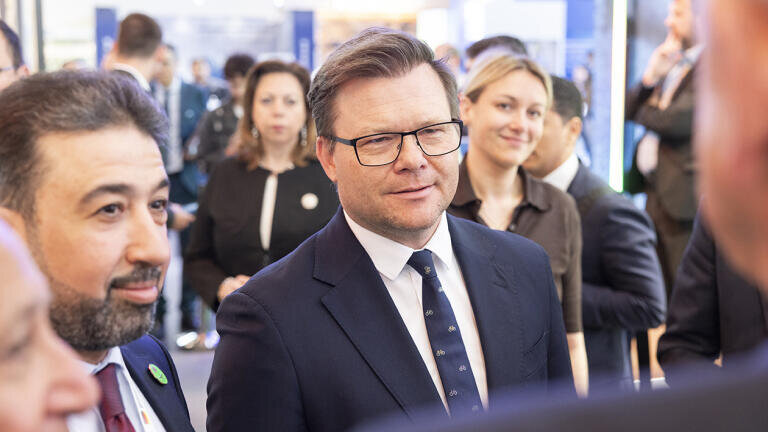
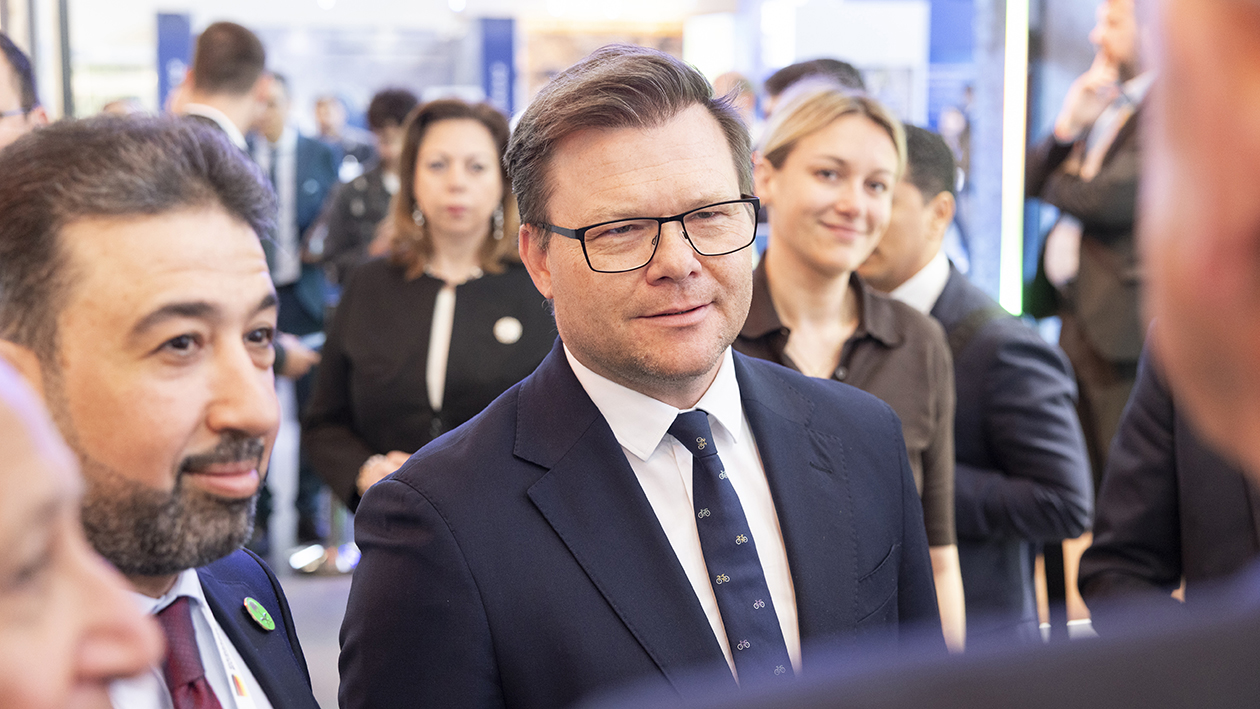 Federal Environment Minister Carsten Schneider in conversation with IFAT Munich exhibitors. © Messe München GmbH
Germany’s Environment Minister Carsten Schneider also emphasised the importance of environmental technologies for economic security and national resilience, calling IFAT Munich a central meeting point for governments, municipalities, businesses, and industry associations.
Despite ongoing geopolitical tensions and energy market challenges, IFAT Munich maintained strong international participation, with more than half of exhibitors and visitors coming from outside Germany. The top exhibiting countries after Germany were Italy, China, and the Netherlands.
Industry experts say the environmental technology sector continues to outperform many traditional industries, positioning itself as one of the fastest-growing global markets. Since its launch in 1966, IFAT Munich has evolved into a major international hub for sustainable innovation, recycling technologies, water management solutions, and circular economy strategies.
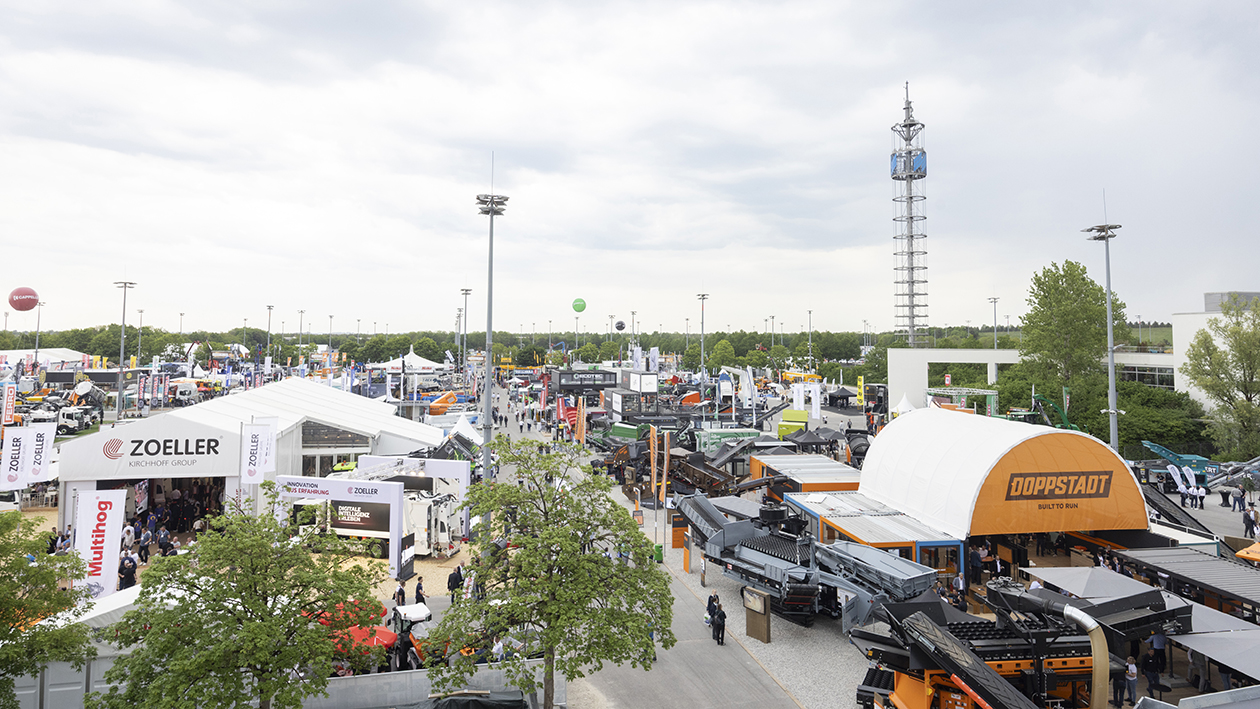 More than 110 machines and vehicles were in operation in the outdoor area. © Messe München GmbH
The next edition of IFAT Munich will take place from 29 May to 1 June 2028, at the Munich exhibition centre.

 Product directory






.jpg)