Water/Wastewater
Published over 10 years ago. See the latest and most current information on Water/Wastewater.
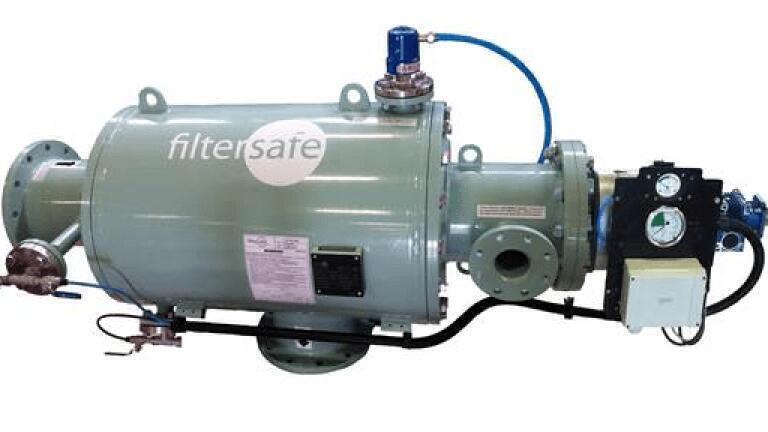
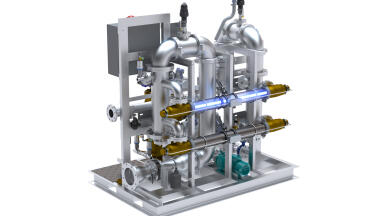
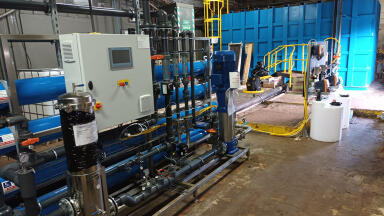
FilterSafe (Israel), a leading manufacturer of high volume ballast water filtration equipment, is doubling its manufacturing capacity to meet demand created by the looming introduction of the Ballast Water Convention which requires all ships to treat their ballast water.
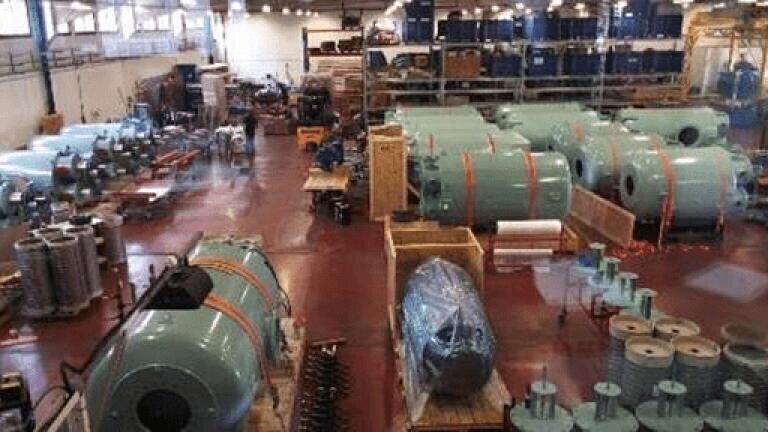
FilterSafe is aiming to double production from 750 ballast filtration systems a year, to 1500 in the future. To do that it is expanding employment at its facilities in Hong Kong and Israel and is doubling the size of its manufacturing plant in Israel, increasing the area from 2000 sqm to 4000 sqm.
Manpower levels grew 25% in 2015 and are expected to grow another 20% this year.
Demand in East Asia, which has a large ship building industry in China and South Korea, is growing rapidly as new ships are equipped with ballast treatment systems. To meet that demand, and ensure fast delivery, FilterSafe is aiming to increase production in Hong Kong.
The International Convention for the Control and Management of Ships' Ballast Water and Sediments (BWM), sponsored by the London-based International Marine Organization, is aimed at combating marine bio-invasions. It will come into force, meaning treatment will be compulsory; 12 months after 30 member nations, representing 35% of global shipping tonnage, have ratified the Convention.
As of January 20, 2016, forty-seven countries, representing slightly less than 35% of the world’s merchant tonnage, had ratified the convention. The IMO expects continuing ratifications that will take the tonnage level above the 35% requirement. The Convention will enter into force twelve months after the tonnage requirement has been met.
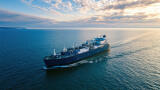
Under BMW convention rules, all of the approximately 55,000 cargo carriers now afloat will have to meet stringent conditions for the treatment ballast water. This is being done to reduce the likelihood of damaging bio-invasions which have destroyed fisheries and spread diseases.
 Product directory






.jpg)
.jpg)