Water/Wastewater
Published over 14 years ago. See the latest and most current information on Water/Wastewater.
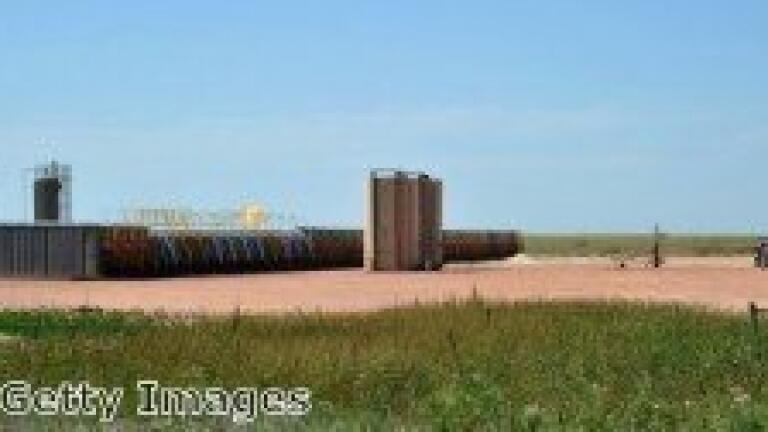
Hydraulic fracturing – commonly known as 'fracking'- could cause significant water pollution to rivers, and could also be the source of potential drinking water contamination, new research has found.
Scientists from Stony Brook University in the US have found that the disposal of contaminated wastewater from fracking wells producing natural gas in the Marcellus Shale region poses substantial potential risks of river and other water pollution.
Their paper, entitled 'Water Pollution Risk Associated with Natural Gas Extraction from the Marcellus Shale', could reveal several risks of fracking elsewhere in the world. The gas- extraction technique has already been blamed for emitting high levels of methane into the atmosphere, and the researchers suggest more regulation is needed to prevent water and air pollution.
The study has been published in journal Risk Analysis, with Stony Brook doctoral student Daniel Rozell, and Sheldon Reaven, a professor in the Department of Technology and Society and the School of Marine and Atmospheric Sciences, found that "even in a best case scenario, an individual well would potentially release at least 200 m3 of contaminated fluids."
The Marcellus Shale region covers approximately 124,000 square kilometres from New York to West Virginia and is still being developed. Through various studies researchers found that disposal of the large amounts of fracking well wastewater presents risks from salts and radioactive materials that are far more severe than other potential water pollution pathways examined in the study.
Facilities in the Marcellus Shale region were found to have inadequate safety procedures in place for handling this type of contaminated water. The researchers concluded through 'probability bounds analysis' that "any drilling or fracturing fluid is suspect for the purposes of this study" because "even a benign hydraulic fracturing fluid is contaminated once it comes into contact with the Marcellus Shale."
They suggest that "regulators should explore the option of mandating alternative fracturing methods to reduce the wastewater usage and contamination from shale gas extraction in the Marcellus Shale."
Posted by Joseph Hutton
 Product directory













.jpg)
.jpg)