Green energy
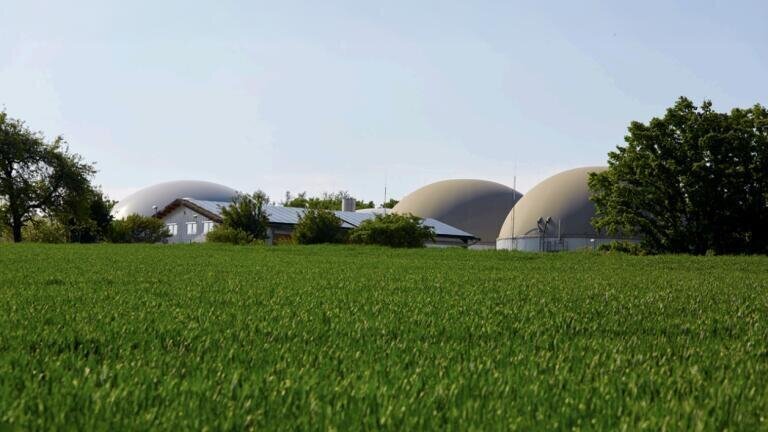
The Mühlacker biomethane plant in Baden-Württemberg, Germany, has taken a major step forward in biogas technology with the integration of Wangen Pumps’ BIO-ROXX module. This upgrade significantly improves substrate preparation, enabling the plant to handle increasingly complex feedstocks while boosting overall efficiency.
As biogas production evolves, operators face growing challenges around flexibility, storage, and demand-driven output. In partnership with Wangen Pumps, Biomethan Mühlacker has introduced a forward-thinking concept that modernises its infeed system. The result is a more dynamic process that allows substrate input to be adjusted in line with demand, improving both operational control and network stability.
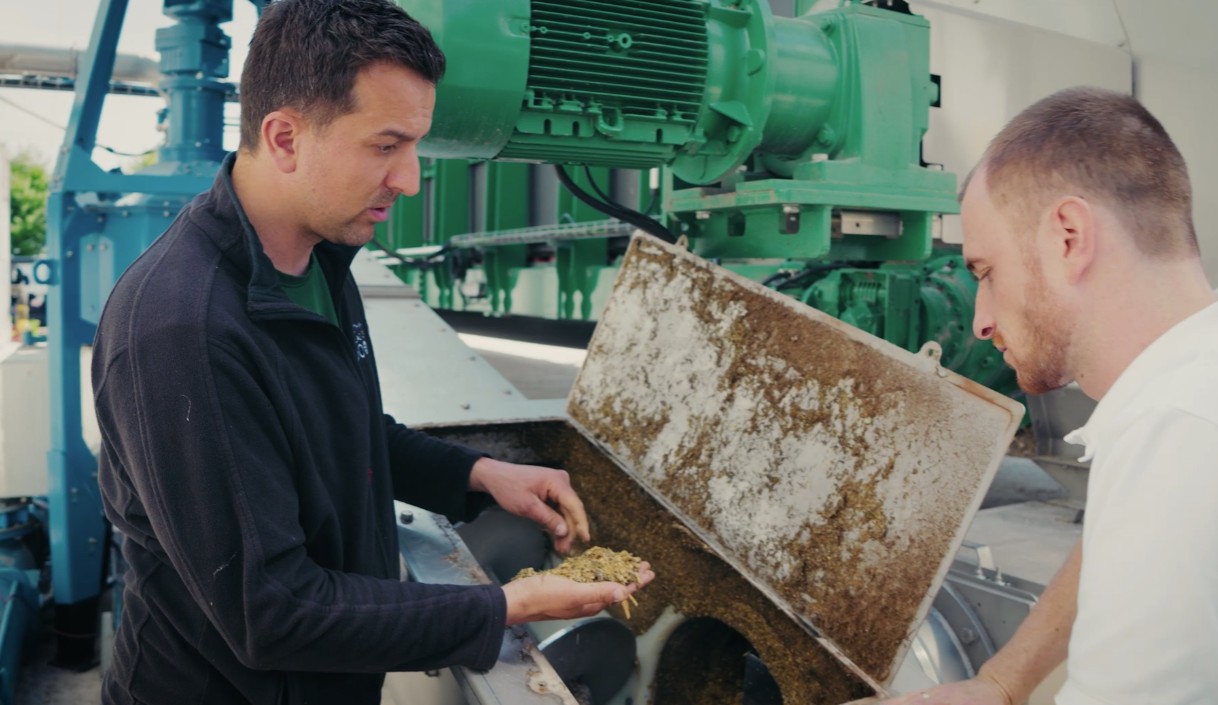
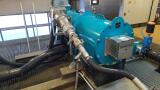
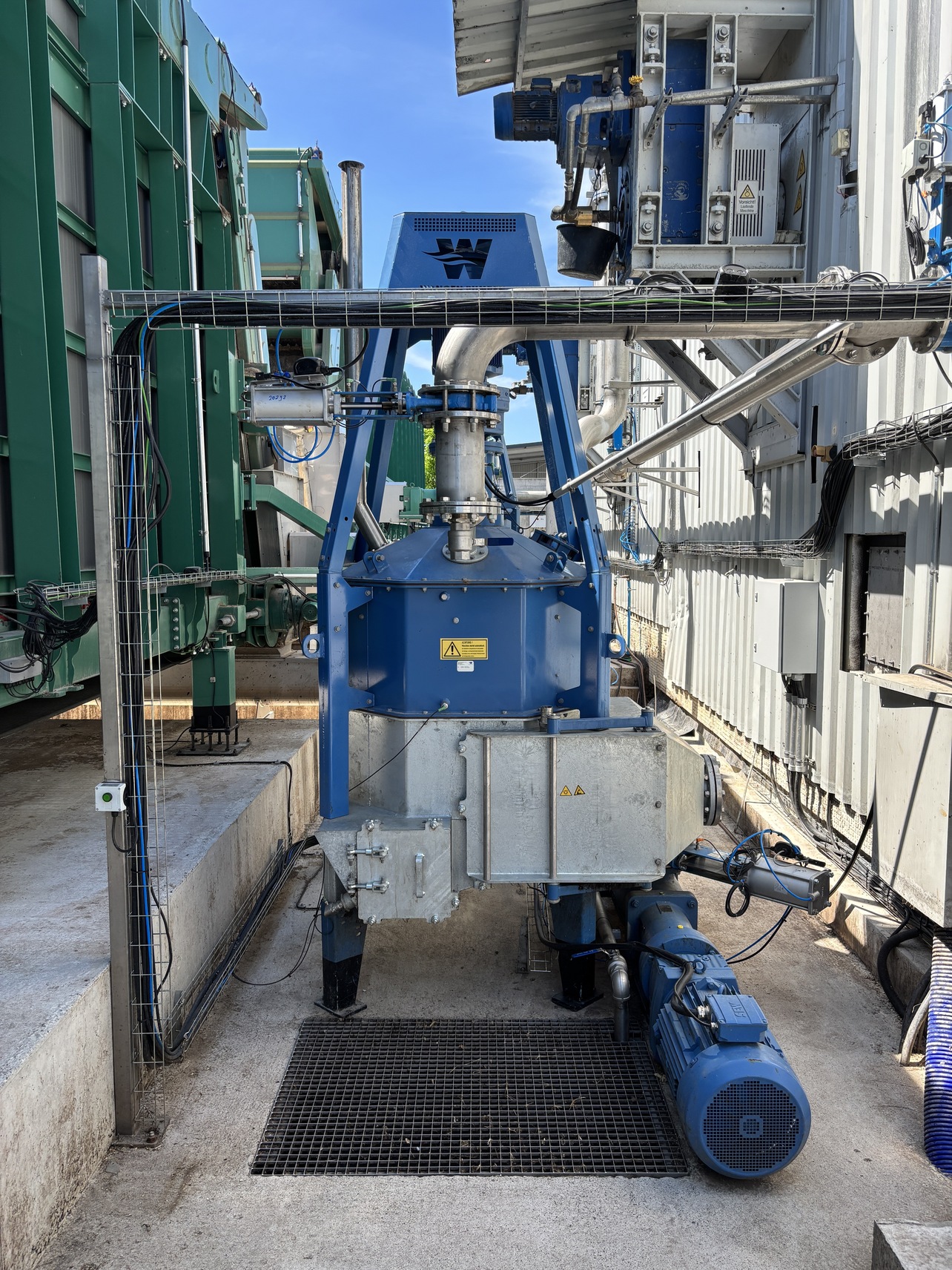 The Mühlacker plant is equipped with two BIO-ROXX modules, which mix diverse fresh material with a liquid substrate to achieve homogeneity and promote more uniform fermentation.
Established in 2007 as part of the Mühlacker Department of Public Works, the plant was among the first in Baden-Württemberg to include its own gas upgrading facility. Today, it plays a central role in the regional circular economy, processing material from around 120 local suppliers to produce biomethane and high-quality fertilisers for horticulture.
With an annual processing capacity of 30,000 tonnes, the plant generates up to 5 MW of gas power and 2 MW of electricity. Its feedstock mix ranges from maize silage and grass to cattle manure and straw. As the industry shifts away from energy crops toward biological residues, handling more challenging materials—particularly long-fibre substrates containing contaminants such as stones—has become essential.
The plant’s original dry infeed system, which relied on screw conveyors feeding directly into the fermenter, could no longer meet these demands. “We needed to modernise while maintaining redundancy,” explains Operations Manager Matthias Naun. “That led us to explore switching from solid to liquid infeed—something entirely new for us at the time.”
 "Our project shows how the issue of flexibility can be addressed with innovative technology,” comments Matthias Naun, Plant Manager at Biomethan Mühlacker
To address this, Biomethan Mühlacker partnered with Wangen Pumps, whose progressing cavity pumps were already proven on site. The company proposed its BIO-ROXX module, an innovative system designed to process solid substrates more effectively.
BIO-ROXX combines mixing and separation technologies to create a homogeneous, pumpable substrate while removing contaminants. An integrated agitator ensures thorough blending of solid and liquid inputs, while an active stone discharge system reliably extracts unwanted materials before they can damage downstream equipment.
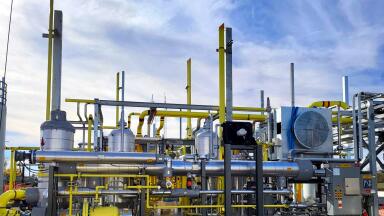
At Mühlacker, two BIO-ROXX units were installed between the solids infeed and the fermenter. Solid materials are fed into the modules via dispensers and screw conveyors, while digestate from the post-fermenter is introduced as a liquid component using Wangen Pumps’ progressing cavity pumps. The system blends both phases into a consistent mixture, with liquid addition carefully controlled to achieve optimal conditions for fermentation. The prepared substrate is then pumped into the fermenter.
Close collaboration between the plant team and Wangen Pumps ensured the installation was completed within six months—without interrupting operations.
Since commissioning, the BIO-ROXX system has delivered clear benefits. Methane yields have increased, fermentation has become more uniform, and the formation of floating and sediment layers has been significantly reduced. The system’s low maintenance requirements, due to minimal wear components, provide an additional advantage.
“The project was certainly challenging, but the results confirm we made the right decision,” says Naun. “The new infeed system—deliberately designed with redundancy—has improved our workflows and given us far greater flexibility. We can now respond more effectively to changing conditions, manage bottlenecks, and adapt to variations in substrate composition. All of this contributes to higher long-term efficiency.”
Biomethan Mühlacker’s experience highlights how innovative engineering can address the evolving demands of sustainable energy production. By implementing the BIO-ROXX module, the plant has achieved demand-driven substrate feeding—an important step toward stabilising energy networks and enabling more flexible biogas generation.
“Our project shows how the issue of flexibility can be addressed with innovative technology,” comments Matthias Naun, Plant Manager at Biomethan Mühlacker



 Product directory










.jpg)