Green energy
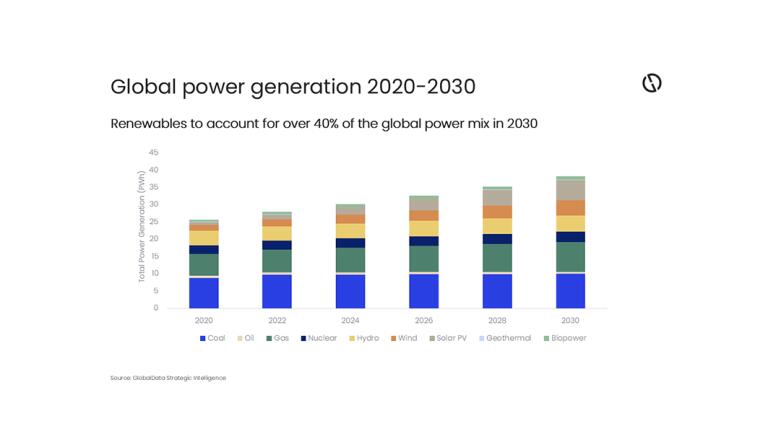
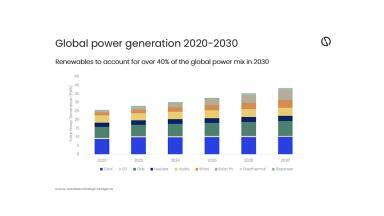
The global power generation sector is undergoing a major transition as renewable energy continues to gain momentum and reduce dependence on fossil fuels. Over the last decade, worldwide electricity generation has grown by nearly 30%, while renewable energy capacity has almost doubled during the same period. By 2030, renewables are projected to contribute more than 40% of global power generation, highlighting a significant milestone in international climate action efforts.
Despite this rapid growth, oil and gas companies are expected to maintain a cautious approach towards renewable energy investments, even as they pursue ambitious clean energy targets, according to GlobalData, a leading data and analytics company.
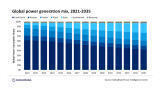
According to GlobalData’s latest Strategic Intelligence report, Renewable Energy in Oil and Gas, renewable power generation reached 7.4 petawatt-hours (PWh) in 2020 and is forecast to grow to 16.1PWh by 2030, representing a compound annual growth rate (CAGR) of 8.1% over the decade. During the same period, the share of fossil fuels in global power generation is expected to fall from 62% to 50%.
Ravindra Puranik said the growth in renewable energy development is being driven by global decarbonisation goals and rising concerns over energy security amid increasing geopolitical tensions.
He noted that falling equipment and installation costs for solar and wind projects—supported by advances in technology and economies of scale—have significantly reduced the levelised cost of renewable energy for consumers.
Major oil and gas companies are increasingly diversifying their portfolios by investing in renewable energy projects. TotalEnergies is among the industry leaders and could become one of the world’s largest wind energy producers by the end of the decade if its project pipeline is fully realised. BP and Shell are also expanding their renewable power generation capacity through strategic investments.
However, investment activity has slowed in recent months. BP recently withdrew from its Beacon Wind offshore wind project in New York, while Equinor adjusted some of its renewable energy targets due to rising project costs and economic pressures. Even so, European energy companies continue to outperform many of their US-based peers in renewable energy deployment.
Puranik added that regional policy differences and financial conditions are creating varied outcomes for oil and gas companies pursuing renewable energy strategies. Supportive government policies and incentives across Europe and Asia are helping accelerate renewable energy investments and project development. In contrast, the US market continues to face challenges including higher project costs, regulatory uncertainty, and lengthy permitting processes, leading to delays, project suspensions, and cancellations.
Despite these obstacles, leading oil and gas companies remain committed to advancing flagship renewable energy projects in regions where policy support and market conditions are most favourable.



 Product directory





















.jpg)