Green energy
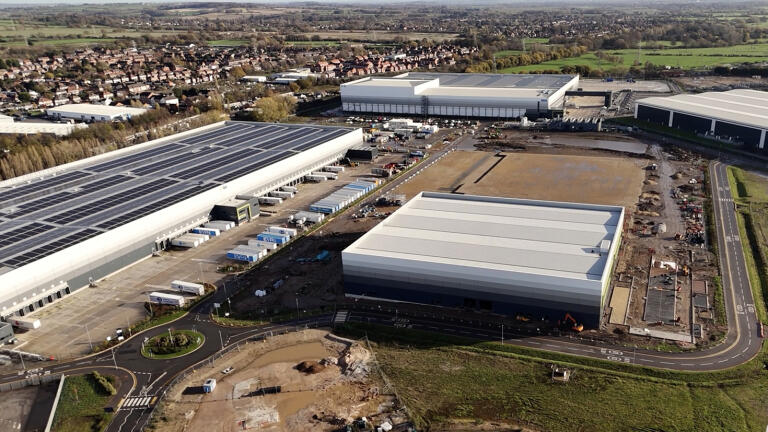
A groundbreaking model for sustainable food manufacturing is already delivering measurable results at SmartParc in Derby, UK, where food producers are sharing not only infrastructure, but energy.
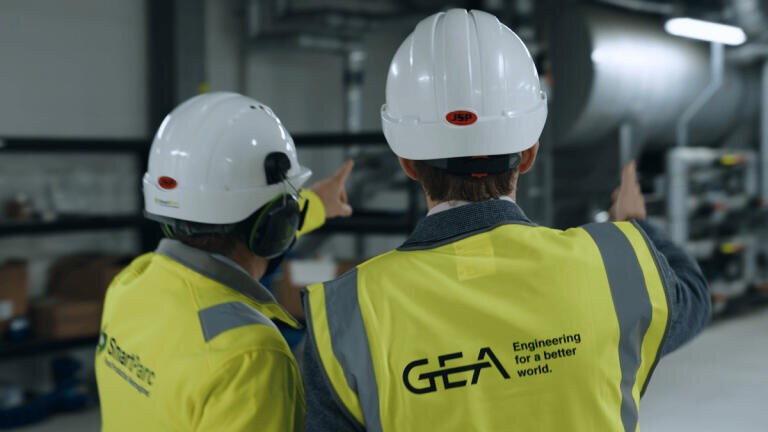
Developed in partnership with GEA, the SmartParc Energy Centre uses a centralised heating and cooling system that captures, upgrades, and redistributes waste heat across multiple food manufacturing facilities. After two years of successful operation, the shared energy network is helping tenants reduce energy consumption and operating costs by up to 30% while supporting SmartParc’s net-zero carbon ambitions for 2030.
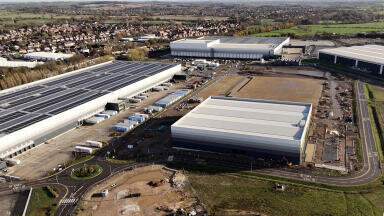
SmartParc was designed as a next-generation food manufacturing park that combines modern production facilities with shared infrastructure and centralised utilities.
Unlike traditional industrial estates, SmartParc enables food manufacturers to benefit from a collaborative energy ecosystem. Businesses connected to the site-wide energy network can access heating and cooling on demand, improving operational efficiency while reducing emissions and utility costs.
This approach is becoming increasingly important as food manufacturers face growing pressure to decarbonise operations, reduce waste, and modernise ageing production facilities.
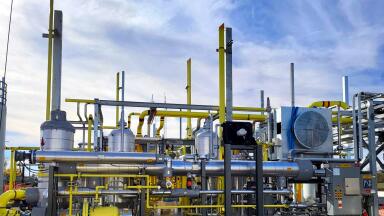
At the core of the SmartParc model is an advanced district heating and cooling network developed with GEA. Instead of releasing excess industrial heat into the atmosphere, the system captures waste heat from food production processes and redistributes it throughout the site.
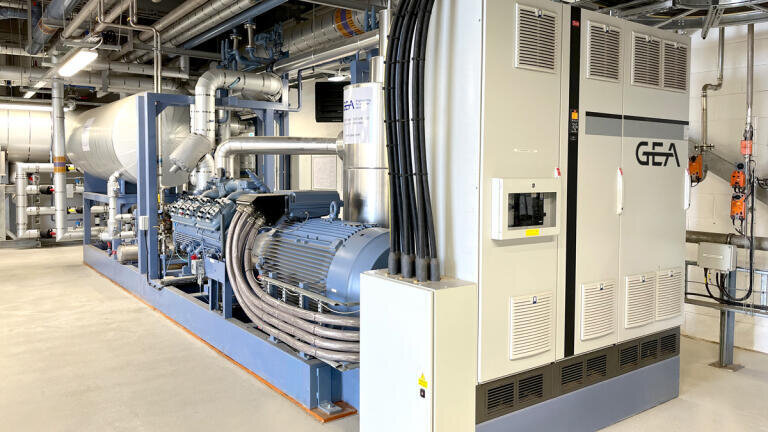
The network spans more than 11 kilometres and uses high-efficiency ammonia heat pump technology to convert recovered heat into usable energy for other facilities within the park.
“SmartParc looked at the project as a sustainability initiative from the very beginning,” said John Burden, Director Project Sales Heating and Refrigeration Solutions at GEA UK. “Rather than rejecting heat into the environment, we designed a system that recovers it, upgrades it through an ammonia heat pump, and redistributes it across the park.”
The result is a closed-loop energy system that dramatically improves energy efficiency while minimising waste.
According to Phil Lovell, COO of SmartParc Europe, the shared infrastructure model offers a major advantage for food manufacturers operating in outdated facilities.
“Many food factories across the UK and Europe are more than 20 years old and tied to inefficient legacy buildings,” Lovell explained. “By developing modern facilities with centralised energy management, we can significantly lower operating costs and improve sustainability performance for our tenants.”
The SmartParc Energy Centre currently delivers approximately five megawatts of cooling and 2.5 megawatts of heating capacity. As additional tenants move into the park, overall capacity is expected to more than double.
Importantly, the system can efficiently operate at just five per cent of total load capacity, ensuring reliable performance during seasonal fluctuations in energy demand.
One of the most innovative aspects of the SmartParc model is its ability to eliminate wasted thermal energy.
“We don’t have any waste heat here,” said Lovell. “All the heat is reused. For every one kilowatt of electricity we consume, we generate three kilowatts of cooling and four kilowatts of heating.”
This high-performance energy recovery model not only lowers energy costs but also significantly reduces carbon emissions, helping tenants meet ESG and sustainability targets.
The SmartParc energy system uses ammonia as a natural refrigerant instead of synthetic alternatives commonly found in industrial cooling systems.
Ammonia offers excellent thermodynamic efficiency while avoiding the environmental risks associated with high-global-warming-potential refrigerants.
“Ammonia allows us to provide both heating and cooling with significantly lower energy consumption compared to conventional systems,” Burden said. “That directly supports SmartParc’s net-zero strategy.”
Natural refrigerants such as ammonia are increasingly viewed as critical technologies for sustainable industrial refrigeration and low-carbon food production.
After two years of successful operation, the SmartParc Energy Centre is already demonstrating how integrated energy infrastructure can transform industrial food production.
The partnership between SmartParc and GEA provides a scalable blueprint for future food manufacturing developments focused on sustainability, operational efficiency, and carbon reduction.
As food manufacturers across the UK and Europe seek practical solutions for decarbonisation, SmartParc demonstrates how collaboration, energy sharing, and advanced heat pump technology can create more resilient and sustainable industrial ecosystems.


 Product directory















.jpg)