Green energy
The EemsGas project, set to become one of the largest biomethane production facilities in the Netherlands, has secured a major financial boost after receiving an SDE++ operating subsidy grant worth €149.8 million from the Netherlands Enterprise Agency (RVO).
The subsidy guarantees long-term operating income for the project over a 15-year period, reinforcing the Dutch government’s commitment to renewable energy, green gas production and energy independence.
EemsGas represents a total investment of approximately €100 million and is being developed as a 50/50 joint venture between Perpetual Next and Gasunie.
Since 2022, the two companies have been collaborating to develop large-scale biomethane production from waste wood using advanced gasification technology.
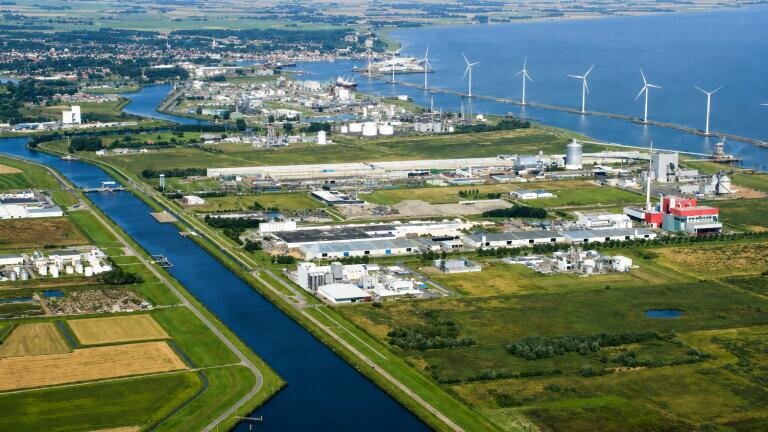
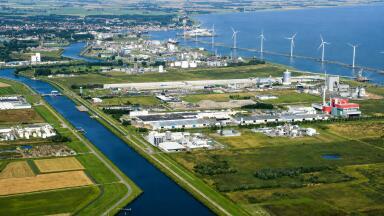
The facility will be built at the Chemical Park in Delfzijl and is expected to produce approximately 18 million cubic metres of green gas annually once operational in 2029. This output significantly exceeds the production capacity of conventional green gas facilities in the country.
The newly awarded SDE++ subsidy follows an earlier €30 million DEI+ investment subsidy commitment secured at the end of last year. While the DEI+ funding supports the construction phase of the project, the SDE++ scheme guarantees a minimum biomethane price during operations, providing stable long-term revenue certainty.
The €149.8 million subsidy will apply across a production period running from 1 July 2029 through to 30 June 2044. Annual payments will fluctuate depending on market gas prices, effectively acting as a financial safety net for the project.
EemsGas has partnered with TNO for the development of the plant’s advanced gasification technology.
The innovative system converts waste wood into renewable biomethane, helping to reduce carbon emissions while contributing to the circular economy and the Netherlands’ broader decarbonisation goals.
René Buwalda, CEO of Perpetual Next, said the subsidies demonstrate strong governmental support for the Dutch energy transition and industrial competitiveness.
According to Buwalda, the project will strengthen the Netherlands’ energy independence while helping to meet rising global demand for biomethane and other renewable fuels.
Hans Coenen, COO of Gasunie, emphasised the importance of sustainable molecules such as green gas in securing future energy supply and supporting the deployment of renewable gasification technologies.
Project planning and final preparations are expected to continue over the coming months. Construction of the EemsGas facility is scheduled to begin in 2027, with commercial operations targeted for 2029.
As Europe accelerates investment in renewable energy infrastructure, the EemsGas project is positioned to become a flagship example of large-scale biomethane production and green gas innovation in the Netherlands.


 Product directory












.jpg)