Green energy
After years of slow growth, low-carbon hydrogen is entering a decisive decade. New analysis from GlobalData shows global production reached 0.84 million tonnes per annum (mtpa) in 2024 — and could surge to as much as 65.3mtpa by 2030 in a high-growth scenario.
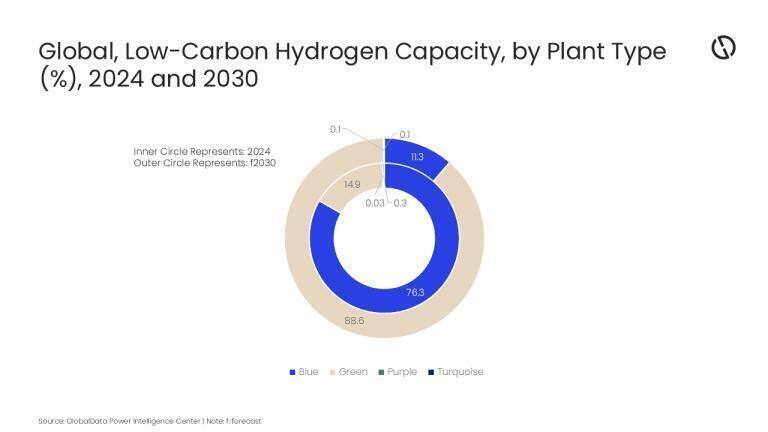
The most striking shift is in the type of hydrogen being produced. Green hydrogen — generated using renewable electricity — is projected to account for 88.6% of global low-carbon hydrogen output by 2030. In contrast, blue hydrogen, which relies on fossil fuels combined with carbon capture, is expected to decline from a 76.3% share in 2024 to just 11.3% by the end of the decade.
In 2024, green hydrogen represented only 14.9% of global low-carbon capacity. Smaller production pathways such as purple and turquoise hydrogen together made up less than 1%, and are expected to remain marginal through 2030.
Much of the anticipated growth is being driven by policy frameworks in North America. According to Attaurrahman Ojindaram Saibasan, Power Analyst at GlobalData, sustained government support has reshaped the hydrogen landscape.
In the United States, hydrogen policy dates back to the Energy Policy Act of 2005, with further investment under the American Recovery and Reinvestment Act of 2009. More recently, the Infrastructure Investment and Jobs Act and the Inflation Reduction Act of 2022 have provided unprecedented funding and tax incentives for clean hydrogen production.
The government’s National Clean Hydrogen Strategy and Roadmap positions hydrogen as a key tool for cutting emissions in hard-to-decarbonise sectors such as heavy industry, freight transport and chemicals. States including California, New York and Massachusetts are advancing fuel cell vehicle deployment and refuelling infrastructure.
Canada has taken a similarly proactive stance. Its Hydrogen Strategy for Canada lays out a plan to build a clean hydrogen economy, reduce domestic emissions and support exports to regions pursuing net-zero targets. Provinces such as British Columbia and Quebec are leveraging abundant renewable and hydroelectric resources to produce low-carbon hydrogen with a smaller environmental footprint.
Mexico, while earlier in its policy development, is exploring how hydrogen could support sustainable industrial growth and international trade.
Hydrogen is often seen as essential to achieving global climate goals, particularly in sectors where direct electrification is difficult. But scaling production sustainably remains critical. Environmental advocates note that true climate benefits will depend on prioritising renewable-powered green hydrogen over fossil-based alternatives, ensuring robust methane controls, and avoiding infrastructure lock-in.
GlobalData’s projections suggest that if current policy and investment trends continue, green hydrogen could become the dominant form of low-carbon hydrogen within five years. The coming decade will determine whether this momentum translates into meaningful emissions reductions — or simply a reshuffling of production methods.
The race is now on to ensure hydrogen’s rapid growth delivers genuine climate gains.



 Product directory