Green energy
Published over 10 years ago. See the latest and most current information on Green energy.
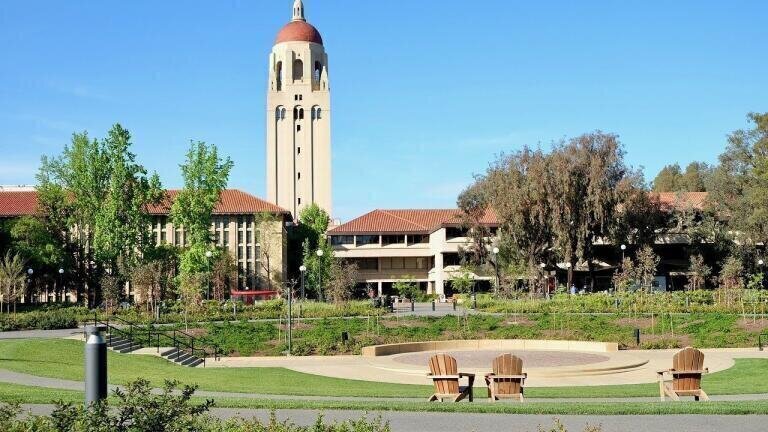
Six research teams have become the beneficiary of substantial grants from Stanford University as part of its Global Climate and Energy Project, as it aims to further knowledge in burgeoning forms of energy generation.
A total of $7.6 million has been awarded to six teams, both at Stanford itself and in three other universities. The investment is being awarded with the specific aim of attempting to improve alternative forms of energy in the developing world.
Since the inception of the project back in 2002, Stanford University has awarded a total of over $177 million in energy grants. This time, the money will be going to four in-house projects and two investigations conducted by other universities.
“The four Stanford projects funded this cycle could have a significant impact on the future development of solar energy, clean fuels and the automotive industry,” explained Sally Benson, Director of the GCEP. “We have also funded two special projects outside of Stanford that could lead to the wide-scale deployment of solar and biofuel technologies in developing countries around the world.”
The six areas of research will benefit from the grants are as follows:
Chief investigator Reinhold Dauskardt will seek to reduce the weight of vehicles and improve their aerodynamic design through the use of lightweight polymer substances. These will be created via a unique glazing process, which aims to save energy in the long run.
A collaboration between the Materials, Science and Engineering Department and the Electrical Engineering Department seeks to convert heat as a by-product into infrared light, which can then be transformed into clean, usable energy. For more information on how PV cells function, check out the article How Do Solar Farms Work?
Chemical, Civil and Environmental Engineering come together to try and utilise electrocatalysts to feed a steady stream of carbon monoxide, carbon dioxide and hydrogen to microorganisms in the creation of biofuels.
Adopting a more chemical approach to the subject of biofuel creation, this project aims to substitute the traditional solvents and metal catalysts used in converting carbon dioxide into water with carbonate salts found in abundance on the Earth.
A joint venture by the Massachusetts Institute of Technology (MIT) and the University of Texas seeks to make PV solar power more affordable in developing countries by pursuing cheap methods of crystalline silicon solar cell production.
Investigators from Rutgers University will analyse how certain strains of algae may be capable of metabolising carbon dioxide emitted by industrial smokestacks and aiding in its conversion into usable biofuel. This could not only reduce emissions but also provide a valuable energy source, as this illuminating article explains.
 Product directory


























.jpg)