Waste management
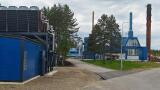
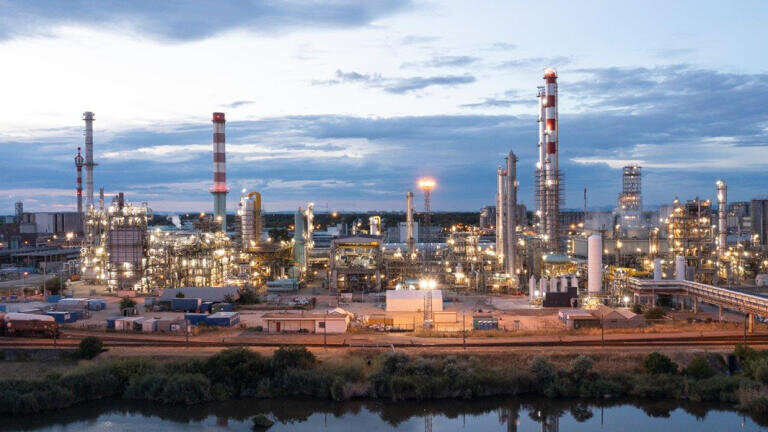
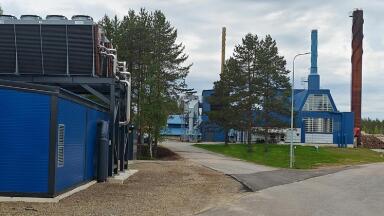
MOL Group has reached a key milestone in its SHAPE TOMORROW strategy by completing its first ISCC PLUS-certified production run using circular feedstock at its MOL Petrochemicals site in Tiszaújváros, Hungary.
This pilot production successfully converted post-consumer plastic waste into high-quality polyethylene (PE) and polypropylene (PP), demonstrating MOL’s capability to integrate circular materials into its manufacturing process. It represents a major step forward in the company’s efforts to lead the transition to a circular economy and become a regional frontrunner in sustainable petrochemical production.
“This successful test proves that MOL Group can now process circular feedstocks under an ISCC PLUS-certified framework, turning plastic waste into new, high-value products,” said Péter Császár, Senior Vice President of MOL Group Chemicals. “It’s a crucial milestone in our shift toward more sustainable petrochemical operations.”
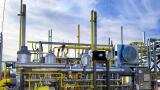
During the test run, circular feedstock derived from post-consumer plastic waste was introduced into the site's steam cracker, enabling the production of circular-based monomers, the essential building blocks of plastics. These monomers were then polymerised into PE and PP. The process followed the mass balance approach, a widely recognised method for tracking the proportion of circular and conventional feedstocks used together, ensuring accurate accounting throughout the production chain.
This achievement builds on the ISCC PLUS certification granted in 2024 to both the Tiszaújváros site and the Slovnaft facility in Bratislava, covering their steam cracker and polymerisation units. It also aligns closely with MOL Group’s long-term strategic objective to transform its operations by integrating circular feedstocks and sustainable technologies. By 2030, the company aims to process up to 1.5 million tonnes of alternative feedstocks within its energy and chemicals portfolio.
As part of this transformation, MOL is expanding its activities in waste management and plastic recycling. The company now holds a national concession to manage municipal waste in Hungary, has made key acquisitions in the plastics recycling sector, and is actively pursuing partnerships to advance chemical recycling technologies.
Looking ahead, MOL Group plans to continue testing additional types of circular feedstock and refining its production processes to increase the role of waste as a valuable raw material in plastic manufacturing.

 Product directory











-from-Chesterton-House-Farm,-with-Giles-Russell-from-Midland-Slurry-Systems.jpg)