Waste management
Scientists in Scotland and South Africa have unveiled a pioneering method to turn hazardous acid mine drainage into a valuable resource for drinking-water treatment—offering a lifeline to communities living in the shadow of polluted mining sites.
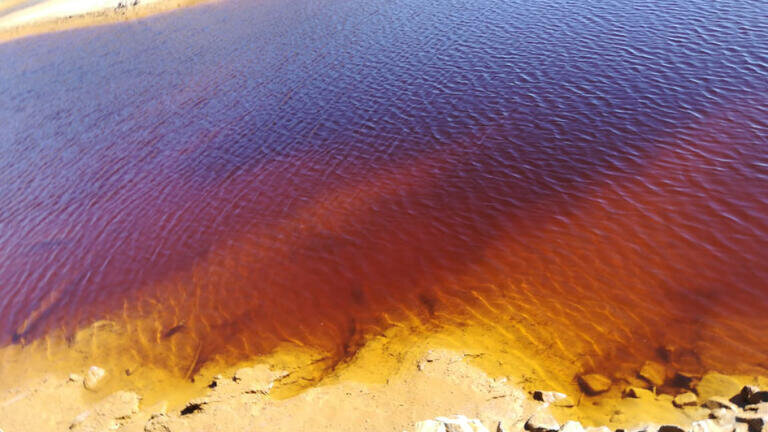
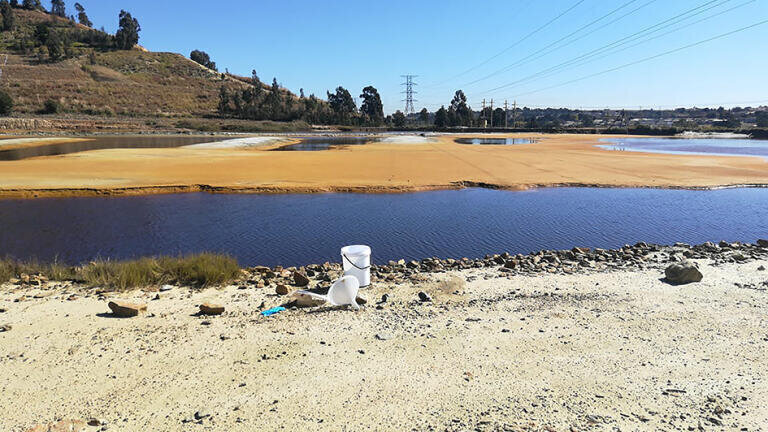
Acid mine drainage (AMD), a toxic legacy of mining operations, is infamous for polluting rivers and groundwater with dangerously high levels of metals such as iron, aluminium, and manganese. It renders water undrinkable, devastates ecosystems, and corrodes infrastructure from pipelines to bridges.
Now, researchers in Johannesburg and Edinburgh have developed a technique to extract ferric iron (Fe(III)) from AMD and convert it into ferric chloride, a widely used chemical for purifying water. The breakthrough was presented at the 2025 International Mine Water Association (IMWA) conference.
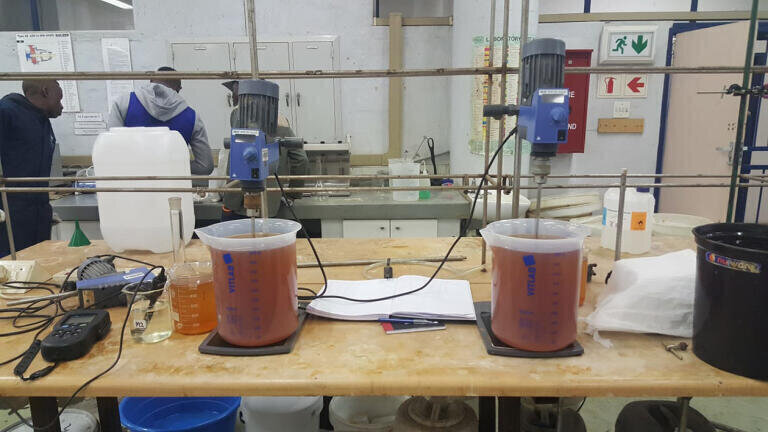
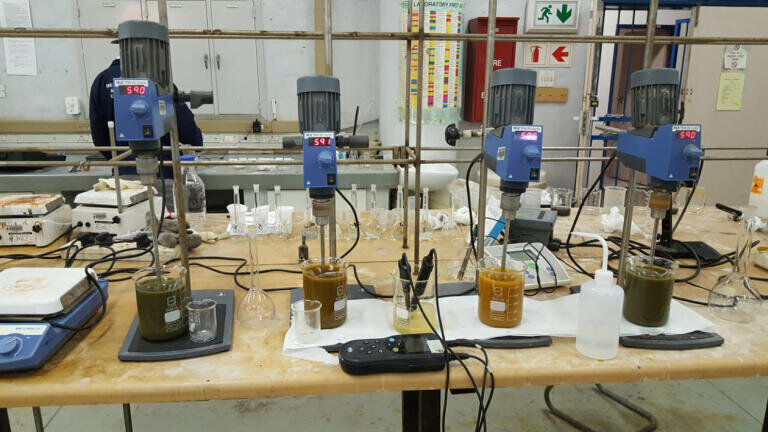
In laboratory trials, ferric chloride produced from AMD removed more than 99% of contaminants—including aluminium, iron, and chromium—from river water. The treated water met South Africa’s drinking water standards, verified under SANAS/ISO/IEC 17025 accreditation.
Professor Vhahangwele Masindi of the University of South Africa said the innovation shows how an environmental hazard can become an economic opportunity.
“Active and derelict coal and gold mines in South Africa discharge nearly 400 million litres of acid mine drainage each day. This proves the feasibility of treating AMD as a secondary source of valuable minerals,” he said.
“This approach strengthens the circular economy by turning waste into a marketable product—and it reduces the environmental footprint of mining operations.”
The study used mine water collected from an active coal mine in Mpumalanga. The team applied magnesium oxide nanoparticles—produced from calcined, locally sourced cryptocrystalline magnesite—to precipitate iron from AMD. They then reacted the recovered iron with hydrochloric acid to create ferric chloride.
Dr Spyros Foteinis of Heriot-Watt University’s Research Centre for Carbon Solutions, a collaborator on the project, said the findings illustrate how mining regions worldwide could benefit.
“We’re showing that even severely contaminated mine water can be cleaned,” he said.
“This offers a low-energy, low-carbon, practical solution to a problem that burdens communities globally and has long-term health, environmental, and economic consequences. Scaling up this technology could support worldwide efforts to manage industrial waste more sustainably and advance the goal of clean water and sanitation for all.”
The next phase involves piloting the technology in rural and peri-urban areas of South Africa—and eventually beyond—where water scarcity is becoming increasingly acute. The researchers say the method is suitable for industrial-scale application, especially in countries grappling with legacy mining pollution.
Mamile Belina Mahlohla of the University of South Africa and Magalies Water noted that climate change is intensifying water shortages, creating new pressures for the sector.
“This technology can be a key component in a broader suite of sustainable water solutions,” she said. “We’re also developing methods to recover nutrients and clean water from municipal wastewater.”
 Product directory









-from-Chesterton-House-Farm,-with-Giles-Russell-from-Midland-Slurry-Systems.jpg)


.jpg)
.jpg)