Waste management
Published over 15 years ago. See the latest and most current information on Waste management.
Plans to turn household and business waste which cannot be recycled into heat and electricity took another step forward, with a submission for a Development Consent Order (DCO) by Covanta Energy.
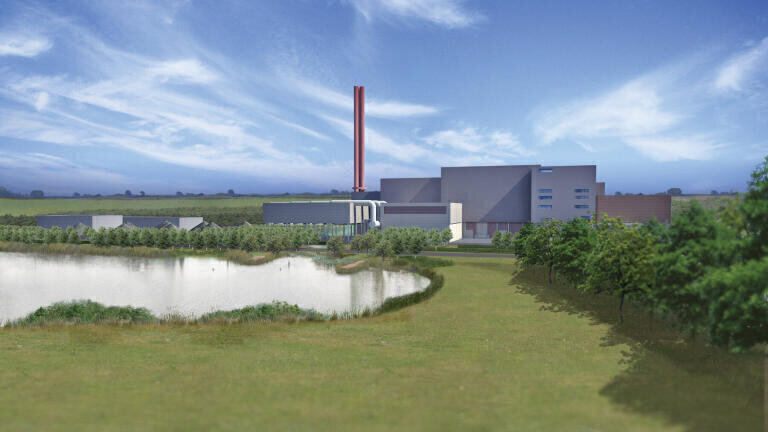
Covanta Energy have submitted an application for a DCO to the Infrastructure Planning Commission (IPC) for a Resource Recovery Facility (RRF) Bedfordshire, England which comprises of an Energy from Waste and Materials Recovery Facility (MRF) on the site of a former clay extraction pit.
If the DCO is made, the equivalent of planning permission, the Facility will use tried and tested technology to divert 585,000 tonnes of waste away from landfill every year. It will also generate significant levels of electricity, enough to meet the needs of approximately 82,500 homes, and create jobs for local people throughout the construction and later operation of the Facility.
Managing Director of Covanta Energy, Malcolm Chilton, said: “This planning submission signifies a landmark move away from waste simply being dumped into landfill sites. The future is very much recycling and composting led. But the waste left after these processes would be used as a fuel, which will generate enough electricity to meet the needs of 82,500 homes. The Facility will also save local authorities money in future waste management fees, at a time when costs savings are more acutely needed than ever before.”




 Product directory














-from-Chesterton-House-Farm,-with-Giles-Russell-from-Midland-Slurry-Systems.jpg)