Waste management
Published over 10 years ago. See the latest and most current information on Waste management.
Environmentally, plastic bags are a big cause for concern. Because they’re so cheap and functional, people use hundreds each year without noticing it. Eventually they all end up contributing to plastic waste. Is there an alternative? There might be now. Keep reading for an introduction to compostable bio bags.
Creating eco-friendly bags is a tricky task. Plastic carrier bags are so durable and fit-for-purpose, while most attempts at eco-friendly bags aren’t strong enough. The only real solution at the moment is the rise of the ‘bag for life’, which reduces the problem, but does not solve it.
Cue Hana Nemcova and Tereza Dvorakova. The two Czech students have invented a compostable fabric that can be used to create durable bags. While studying medicine, they have been working on the idea for over two years. After a crowd-funding campaign raised the necessary money, they were able to start mass production in just three days.
Using corn starch and natural dyes, the bag – known as Frusack – is completely compostable after use. However, it can also be re-used. The creators of the bag say it can actually be washed and re-used for up to two years. A variety of colours are available too. They have recognised the importance of aesthetics for shoppers with Frusack available in many bright tones.
Even the process is less damaging. Frusack is produced using the same machines as a carrier bag, but requires less energy. 65 percent less, in fact. As it stands, Europe produces 13-25 million tonnes of plastic waste every year. And the European Commission have already said they would like to tackle the issue of one-use bags. With a 5 litre capacity and an estimated 1.5 kg holding limit, Frusack may just be the solution to their problem.
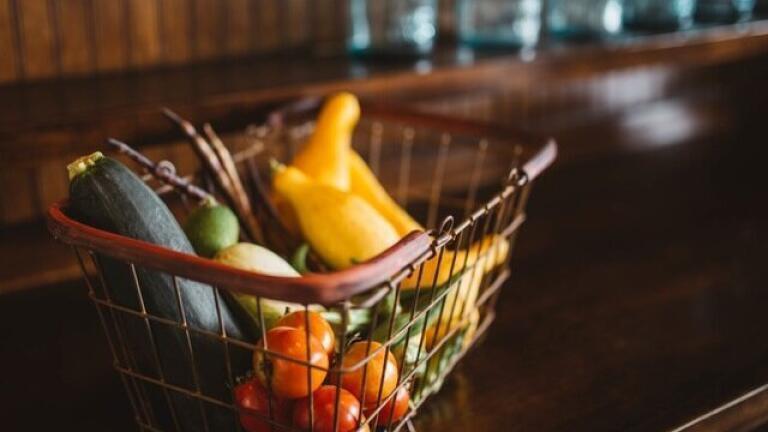
The founders of Frusack plan to enter the European market, as well as launching globally. Food purchase and storage are two similar issues on their agenda. Food chains that support sustainability and local production could be very interested.
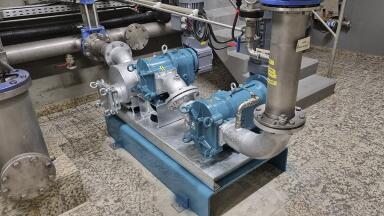
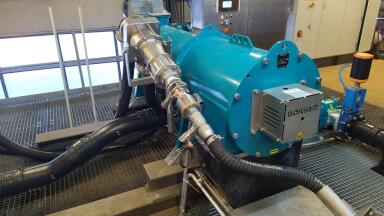
As well as storage and packaging, a growing problem is food waste from supermarkets and factories. ‘Serving up Food-Factory Waste for Anaerobic Digestion’ reviews the work being done to turn this waste into energy. With up to 18,000 tonnes of unavoidable organic waste per year being processed into electricity and heat, InSource Energy’s new anaerobic digestion plant is trying to tackle the problem.
 Product directory














-from-Chesterton-House-Farm,-with-Giles-Russell-from-Midland-Slurry-Systems.jpg)





.jpg)
.jpg)