Waste management
Published over 14 years ago. See the latest and most current information on Waste management.
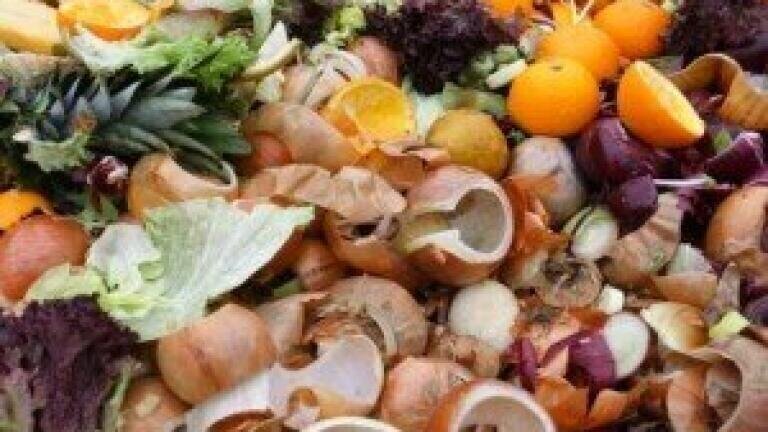
The UK's first commercial small scale food-waste treatment plant has been launched, which could spark a new era for waste management initiatives in the country.
Burdens Environmental, who will run the site in Carmarthenshire, South Wales, are accepting waste from the county council as well as from Prince Charles' estate. The facility is capable of processing between 3,000 and 5,000 tonnes of food waste per year, and it is the first digester of its size to be animal by-products regulations compliant.
Its fully compliant status means that it can recycle general food waste, including meat. It has also complied with compost, soil and land-use regulations, allowing the bio-fertiliser that is generated to be used as beneficial fertiliser on local farm land.
There are currently only three dedicated food waste treatment plants in the UK treating municipal sourced food waste out of a total of 32. Others treat food waste from catering outlets, food retailers and manufacturers.
However, 7.2 million tonnes of household food waste is generated each year, of which, only three per cent of the food waste is processed by anaerobic digestion. This is largely because, up until now, the management of food waste has not been financially viable.
Will Kirkman, head of environmental projects at Burdens: "We have set out to make small scale food waste treatment financially possible.
"Now for the first time in the UK we can actually show commercially viable plants in action, clearly demonstrating the benefit of locally-based solutions. This should go a long way to removing misplaced concerns about smaller scale AD food digesters, help increase uptake and consequently improve recycling rates of municipal food waste.
"It provides for a much more sustainable operation as domestic food waste can now be treated close to its source, rather than being transported many miles to a larger central facility."
Posted by Joseph Hutton
 Product directory














-from-Chesterton-House-Farm,-with-Giles-Russell-from-Midland-Slurry-Systems.jpg)




.jpg)
.jpg)