Waste management
Published over 13 years ago. See the latest and most current information on Waste management.
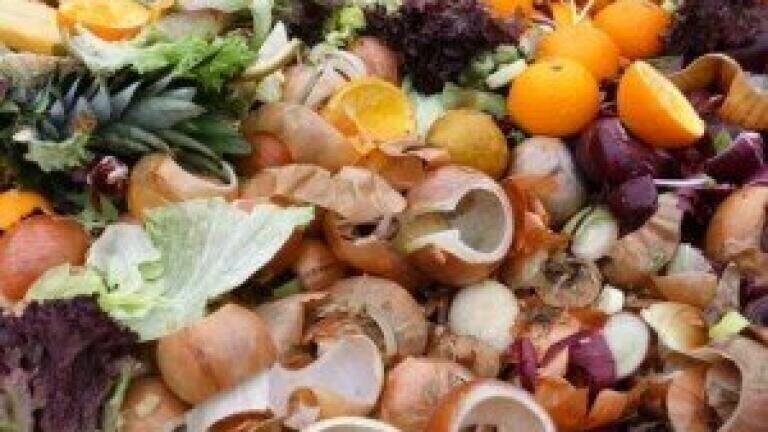
A massive scheme worth £7 million that will turn waste food into renewable electricity has been launched in North Wales, Waste Management World reports.
The news will be pleasing to environmental activists, as the electricity generated from waste food will be sufficient enough to power 1,500 homes continually for a year.
Homes will be asked to store their waste food separately from their other rubbish. The waste food will then be collected by local councils.
Waste food on a larger scale will also be collected from restaurants, retailers, caterers and food manufacturers.
Subject to planning permission, work on this exciting project will begin in spring 2013 and the scheme would then be in operation beginning early 2014.
Not only is the scheme environmentally friendly, it is also good news for the local inhabitants.
The contract is for a minimum of 15 years. It will create 25 jobs during the construction phase and up to six once operational, Waste Management World reports.
The agreement has been signed between The North Wales Consortium of Denbighshire, Conwy and Flintshire councils and the UK's leading food waste anaerobic digestion company Biogen and investors Iona Capital to build and operate a food waste-to-energy plant at St Asaph.
Biogen's chief executive Richard Barker is reported as saying: "We are looking forward to starting construction on our second Welsh AD plant alongside our partners, the North Wales Consortium and Iona Capital.
"We look forward to becoming leaders in this field in Wales."
This is the second project of this sort from Iona Capital.
"These projects are the first local authority backed schemes focussed on Anaerobic Digestion and we are pleased to have been able to support such an innovative regional infrastructure program," Nick Ross, director of Iona Capital said.
As well as creating jobs and electricity, the waste food will be turned into bio-fertiliser for the nearby farmland.
 Product directory












-from-Chesterton-House-Farm,-with-Giles-Russell-from-Midland-Slurry-Systems.jpg)




.jpg)
.jpg)