Waste management
Published over 7 years ago. See the latest and most current information on Waste management.
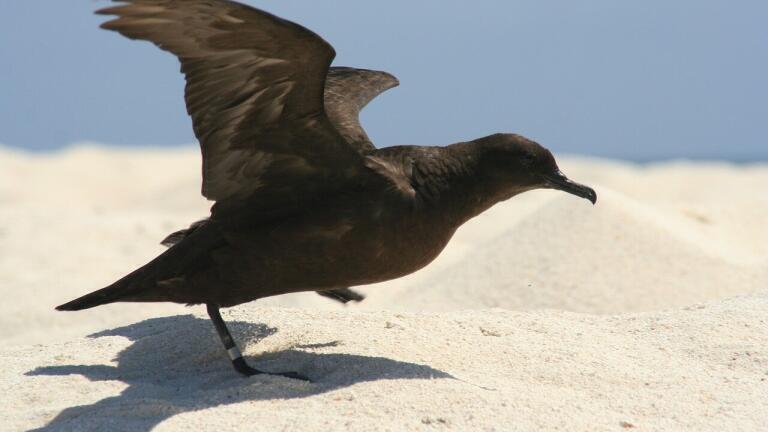
According to a new study from Australia, seabirds off the country’s eastern coast are becoming physically smaller, with a reduced wingspan, lower body mass and a shorter bill. The reason? Ingesting particles of plastic improperly disposed of by humans, which are finding their way into our seas and oceans in their millions of tonnes.
Worse still, the plastic is not just reducing the size of the birds but also contributing to a long list of health complications, including higher cholesterol, reduced kidney function and lower levels of calcium in their blood. All of this may be a defining factor in the current decline of seabirds in the region, with flat-footed shearwaters – the focus of this study – now classified as “near-threatened”.
Conducted by the Institute for Marine and Antarctic Studies at the University of Tasmania, the study analysed blood samples collected from a bird colony living on Lord Howe Island, a tiny tropical island 600km off the eastern coast. They found that instead of feeding their young with normal fodder such as fish, adults had been giving them tiny pieces of plastic.
While the terminal effects of plastic ingestion on marine bird populations is well-known, less research has been conducted into the non-lethal consequences. This, despite the fact that around 90% of seabirds are believed to have plastic particles in their stomach. The results are not encouraging: height, weight, wingspan and bill size are all affected, as are blood flow, cholesterol levels and kidney function.
Equally as concerning, the report also suggested that microplastic can be highly dangerous, regardless of the actual size of the piece consumed by the bird. “Our data did not show a significant relationship between the volume of plastic ingested and the health of individuals, suggesting that any plastic ingestion is sufficient to have an impact,” explained Jennifer Lavers, lead author on the study.
“Understanding how individual seabirds are affected is also further complicated by the fact they spend little time on land or at breeding colonies, and most mortalities occur at sea where the causes of death are often unknown.” As such, it’s vital that swift action is taken to mitigate the staggering amounts of plastic in our waterways and the tragic effects these are having on marine populations.
With the situation as desperate as it is, scientists have long been looking for methods of reducing the amount of plastic which finds its way into our seas and oceans in the first place, as well as removing the trillions of pieces already present. One novel solution involves the unlikely marriage of forensic science and artificial intelligence to allow greater quantification and categorisation of the problem.
Meanwhile, an Irish teenager recently scooped the 16-18 age group Grand Prize for his novel suggestion on how to tackle the issue. Fionn Ferreira hypothesised the use of “ferrofluid”, presumably named after himself, to use magnetism to attract and ultimately remove microplastics from seawater.
 Product directory





















-from-Chesterton-House-Farm,-with-Giles-Russell-from-Midland-Slurry-Systems.jpg)





.jpg)

.jpg)