Waste management
Published over 12 years ago. See the latest and most current information on Waste management.
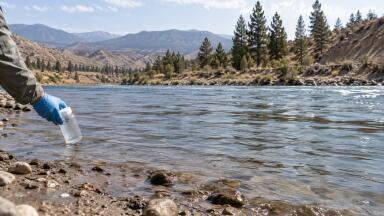
Bioremediation is the latest development in waste management strategies – the technique involves the use of organisms to eliminate of neutralise pollutants from a contaminated site. Traditionally, naturally-occurring organisms have been used to achieve this end. One such example is the use of fungi in mycoremediation, which utilises the fungal mycelia and capitalises on its decompositional properties. This fungus specialises in breaking down plant fibre. Test have also shown it can be beneficial when attempting to remove the harmful toxins found in diesel-contaminated soil. The process of mycofiltration operates on similar principles, albeit in water, as opposed to soil or another substance.
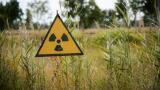
More recently, the advances in the field of genetic engineering have allowed scientists to attempt to create artificial strains of organisms, specifically designed to break down and remove the toxic parts of highly radioactive waste. Though still in its infancy, such a breakthrough could prove to be potentially ground-breaking in bioremediation strategies.
Bioremediation techniques can generally be divided into two categories: in situ and ex situ. The former involves treating the contaminated area on site while the latter involves removing it to an alternative location for treatment. The varying methods and branches of bioremediation are manifold and distinct, but some of them include:
When hydrocarbons (either from an oil spill or other source) have contaminated groundwater or topsoil, normal practice is to excavate, pump and treat. However, such a process can be time-consuming and expensive. Bioremediation reduces the time and expense which normally goes into cleaning up contaminated sites, thus increasing efficiency.
As the technology is fairly young, it is still unclear whether or not there may be some unwanted and potentially disastrous side-effects. For example, the article, 21,000 Locations in Canada Contaminated by Toxic Waste, discusses how the unpredictable nature of the bacterial microbes involved may, in fact, lead to the production of cancer-causing elements.
However, such fears are as yet not fully substantiated and further research is being undertaken to determine the full potential (and consequences) of bioremediation.

 Product directory










-from-Chesterton-House-Farm,-with-Giles-Russell-from-Midland-Slurry-Systems.jpg)