Green energy
Published over 10 years ago. See the latest and most current information on Green energy.
In the wake of the referendum on the 23rd June, at which the people of the United Kingdom elected to leave the European Union, there has been much speculation about the negative aspects of the split. With the economy plummeting immediately and the government in disarray, it’s been hard to see a way out of the mire we currently find ourselves in.
The economic uncertainty which is being felt in terms of investment across the board when it comes to business has not left the energy sector unaffected, either. Indeed, after the government has spent the last few years rolling back subsidies on renewable methods of energy production, it had been feared that Brexit would spell further trouble for the flagging industry. But does it have to?
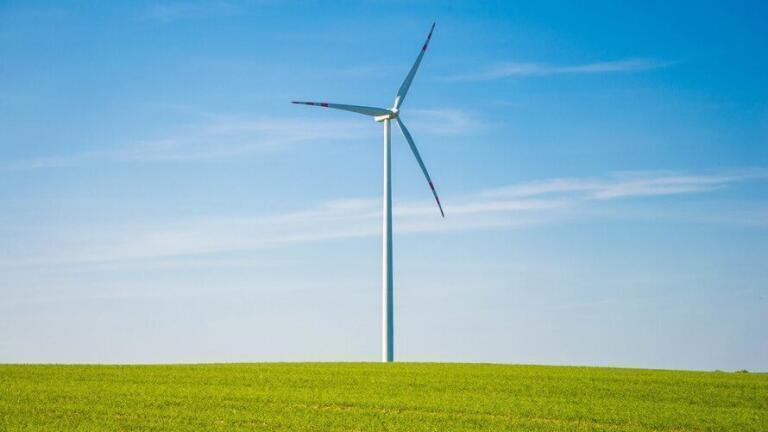
Just one week after the controversial vote, leading figures in the field met in Glasgow at RenewableUK’s Scottish Renewables Onshore Wind Conference to discuss how the result might affect wind power. The chief executive of the trade body, Hugh McNeal, was considerably upbeat about the prospects of the industry, claiming it was a new chance for Scotland and the UK to support this progressive method of energy generation.
“It is tempting in these unprecedented times, in the period of uncertainty and market volatility since the vote, to focus only on the challenges ahead. The fears are very real. The stakes are very high, in terms of investment, jobs and consumer bills, if we lose access to the European Energy Market,” he explained.
“[But] it is precisely now, at this moment which is so unpredictable and uncertain, that I believe we should reflect on what we can offer; cheap, home-grown electricity able to deliver hundreds of millions of pounds of capital investment for our economy over the next few years, helping companies all over Britain just at a time when we need it most.”
McNeal went on to clarify that he believed the timing was perfect to embark upon a number of projects that are “ready to build now, ready to be financed; projects that can generate economic activity and capital investment, projects it makes sense to build given the benefits they will bring and the challenges we now face”.
The government’s systematic policy of rolling back subsidies and grants for green energy has threatened the UK solar industry and could do the same for onshore wind farms, if the situation is not remedied quickly.
While subsidies aren’t necessarily imperative to ensure the continued prosperity of the wind power sector, a cohesive strategy reliant on cooperation and a recognition of the benefits that renewables bring is key. Indeed, the UK wind farm sector actually exceeds nuclear energy generation, which is a field that has received significant investment in recent history.
In the words of McNeal himself, we must all strive “to build a broad coalition, one that reaches out across industry, across all political parties, to help deliver” on a brighter future for us all.
 Product directory




















.jpg)