Air clean up
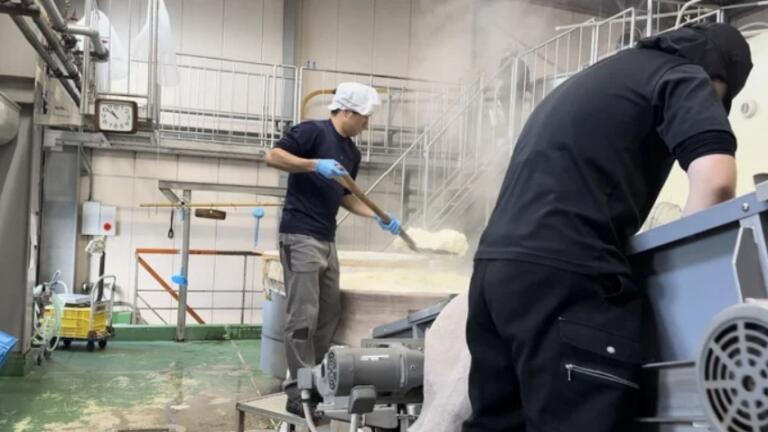
Sakura Sake Shop and Zevero have unveiled 作 for 2126 (ZAKU for 2126), Japan’s first low-carbon sake verified through product carbon footprint (PCF) data without relying on carbon offsets.
Developed in partnership with renowned Mie Prefecture brewery Shimizu Seizaburo Shoten, the premium sake reduces carbon emissions by 30% per bottle through measurable operational changes across farming, packaging, and production.
The low-carbon sake is currently available in Japan through crowdfunding platform Makuake and will launch globally via the Sakura Sake Shop website in June 2026.
While many beverage brands promote sustainability through renewable energy or carbon-neutral claims, 作 for 2126 is the first Japanese sake to validate its environmental impact using real product-level emissions data.
The launch aligns with Sakura Sake Shop’s 13th anniversary and reflects the company’s long-term commitment to sustainable agriculture and environmentally responsible sake production.
Founded in 2013, Sakura Sake Shop has focused on protecting the natural ecosystems and farming communities that make sake possible. The name 作 for 2126 reflects the company’s vision of creating products that support a healthier society for the next 100 years.
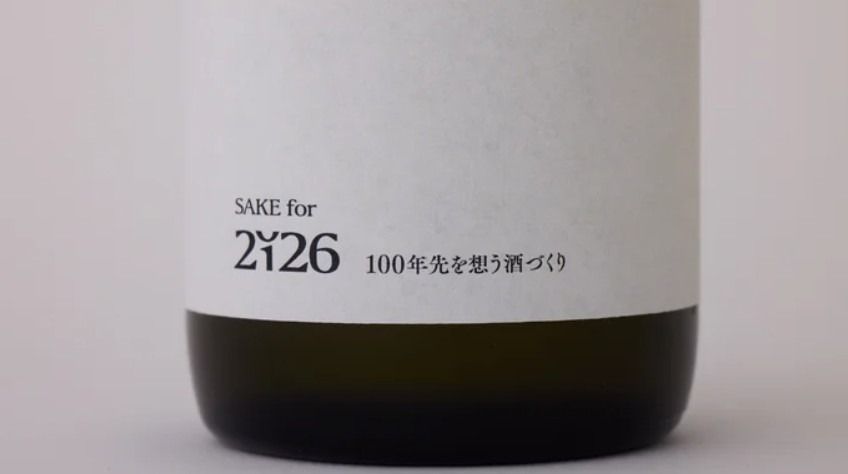
The 18-month sustainability initiative began in October 2024 when Zevero conducted a comprehensive product carbon footprint assessment of Sakura Sake Shop’s flagship 作(ZAKU) label.
The analysis revealed that a standard 750ml bottle generated 2.225 kgCO₂e, with the largest emissions sources coming from:
Using this data, Zevero modelled multiple emissions-reduction strategies before implementation, allowing the project team to identify the highest-impact improvements.
Zevero also worked directly with Shimizu Seizaburo Shoten and Kamio Farm, the rice supplier for the brewery, to redesign agricultural practices and production methods that would significantly lower the product’s carbon footprint.
The final version of 作 for 2126 lowered emissions from 2.225 kgCO₂e to 1.559 kgCO₂e per bottle through three key innovations:
Reusable glass bottles
Replacing single-use bottles with reusable returnable bottles reduced bottle-related emissions by 77%, based on data from Japan’s Glass Bottle 3R Promotion Council.
Low-emission rice farming
Working with Kamio Farm, the team extended the mid-season rice field drying period by seven additional days beyond historical averages. This traditional farming technique reduces methane emissions from rice paddies and lowered rice-related emissions by 30% per bottle, following Japan’s J-Credit agricultural carbon methodology (AG-005).
Removal of decorative packaging
Eliminating decorative wrapping paper removed an additional 0.141 kgCO₂e per bottlewithout altering the quality or presentation of the sake itself.
Takeshi Komazawa said:
“We’ve spent over a year bringing this dream sake to life. Farmers who grew rice with care for the planet, companies that helped us measure and reduce environmental impact, designers who shaped the concept, and the brewery that crafted this sake all came together to make it happen. This is a sake made with the next 100 years in mind.”
Marvin Mori added:
“Most sustainability initiatives in consumer goods stop at measurement. Sakura Sake Shop used carbon data as a starting point for real operational change, working directly with breweries and farmers to implement measurable improvements. That’s what gives this product credibility.”
Shinichiro Shimizu said:
“The land and water that make our sake possible have always been central to our brewing philosophy. This collaboration allowed us to honour that responsibility with the same precision and care we apply to sake production itself.”
The launch of 作 for 2126 reflects growing global demand for sustainable alcoholic beverages, low-carbon food products, and transparent emissions reporting in the food and beverage industry.
By combining traditional Japanese sake brewing with data-driven carbon reduction strategies, Sakura Sake Shop, Zevero, and Shimizu Seizaburo Shoten are positioning the product as a new benchmark for sustainable sake production and environmentally responsible luxury beverages.


 Product directory

















_shutterstock_2296088597.jpg)




.jpg)