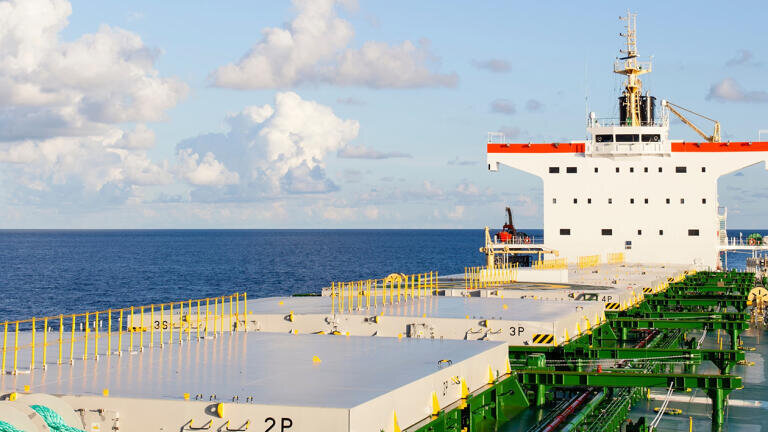
Air clean up
The International Maritime Organisation (IMO) has made renewed progress on tackling ship emissions, pollution, and ocean protection at its 84th Marine Environment Protection Committee (MEPC 84) meeting—but significant environmental challenges, particularly from emissions and ballast water, remain unresolved.
Meeting in London from 27 April to 1 May 2026, the Committee signalled that it is “back on track” towards a global agreement on reducing greenhouse gas (GHG) emissions from shipping. Yet the discussions also highlighted how far the industry still has to go to address the full scale of its environmental footprint.
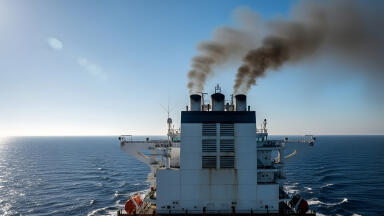
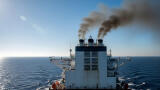
Shipping remains a major contributor to global air pollution and climate change, emitting carbon dioxide (CO₂), nitrogen oxides (NOx), sulphur oxides (SOx), and particulate matter (PM). While the proposed IMO Net Zero Framework is intended to curb these emissions, negotiations are still ongoing, with nearly 100 delegations expressing differing views.
The establishment of a new Emission Control Area (ECA) in the North-East Atlantic marks a concrete step forward. By enforcing stricter limits on SOx, NOx, and PM, the measure aims to reduce serious health risks such as lung cancer, cardiovascular disease, and asthma, whilst also limiting acidification that damages crops, forests, and marine ecosystems.
However, critics argue that these regional measures, whilst important, fall short of the global, binding action needed to meaningfully reduce the shipping sector’s climate impact.
Beyond emissions, the environmental damage caused by ballast water continues to raise concern. Ships use ballast water for stability, but when discharged, it can introduce invasive aquatic species into new ecosystems. These organisms can outcompete native species, disrupt food chains, and cause long-term ecological and economic harm.
At MEPC 84, the IMO approved amendments to the Ballast Water Management Convention to strengthen implementation and close regulatory gaps. Updated guidelines aim to improve how ships manage and treat ballast water, making compliance more practical and effective.
Despite these improvements, the issue remains complex. Invasive species already introduced through ballast water have caused irreversible damage in many regions, and enforcement of regulations continues to vary globally. Stronger monitoring and stricter compliance will be essential to prevent further biodiversity loss.
The Committee also addressed other environmental risks, including underwater noise pollution, which disrupts marine life, and biofouling—the accumulation of organisms on ship hulls—which can also spread invasive species. Plans are underway to develop a legally binding framework to manage biofouling more effectively.
Additionally, new work will support the implementation of international agreements aimed at protecting marine biodiversity, signalling a broader shift towards ecosystem-based ocean governance.
IMO Secretary-General Arsenio Dominguez emphasised the need to rebuild trust and maintain momentum. While the outcomes of MEPC 84 show progress, they also underscore a critical reality: addressing shipping’s environmental impact requires faster, more unified global action.
From air pollution to invasive species carried in ballast water, the shipping industry’s footprint extends far beyond carbon emissions. Without stronger enforcement and more ambitious measures, these environmental pressures will continue to threaten ocean health and global ecosystems.



 Product directory



















_shutterstock_2296088597.jpg)



.jpg)