Air clean up
A major new initiative in Singapore is set to fast-track maritime decarbonisation, combining digital technology, alternative fuels and AI-driven training to reduce global shipping emissions.
At the centre of the programme are three high-impact priorities designed to reshape the maritime and energy sectors.
The first focuses on integrated digital twin technology, connecting ships, ports and inland logistics networks. These real-time digital models allow operators to optimise performance, reduce fuel consumption and cut carbon emissions across entire supply chains—an essential step toward greener global trade.
The second priority targets low-carbon and zero-carbon fuels, including hydrogen, ammonia and advanced biofuels. Developed in collaboration with industry partners, these solutions aim to accelerate the adoption of cleaner energy sources while introducing more efficient operational models.
The third pillar addresses a critical challenge: skills. Through AI-powered learning platforms, the initiative will help upskill the maritime workforce, enabling faster adoption of emerging technologies and closing widening skills gaps in the transition to sustainable shipping.
Designed as more than just a research centre, the hub will support real-world pilot projects and large-scale deployment. Key initiatives include developing advanced, multi-dimensional digital twins, testing alternative fuel adoption pathways and rolling out next-generation training systems.
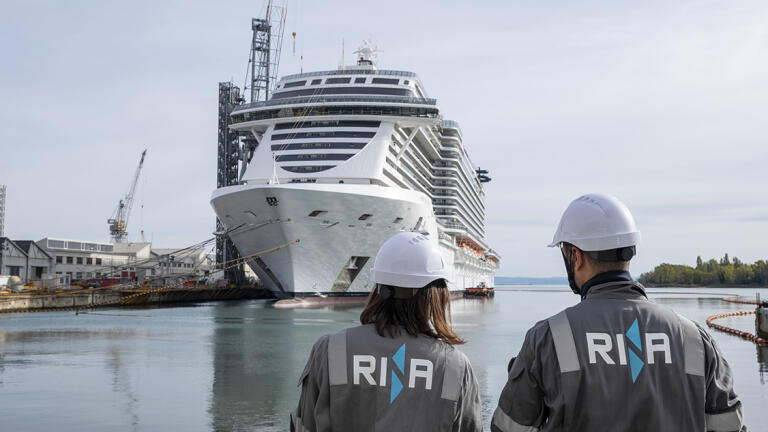
RINA is also expanding its presence in Singapore, with plans to create 13 new specialist roles over the next three years—highlighting growing demand for expertise in clean energy, digitalisation and sustainable maritime operations.
Imran Ibrahim, Director of the Open Innovation Hub Singapore at RINA, said the goal is to turn innovation into measurable impact: “By connecting digitalisation, decarbonisation and workforce development, we are ensuring that new technologies are not only developed but implemented at scale.”
Soo Haw Yun, Vice President of the Global Enterprise Division at the Singapore Economic Development Board (EDB), added that Singapore’s strong research ecosystem makes it an ideal base for scaling green innovation and strengthening its position as a leading maritime hub.
Part of a wider global network, the Singapore hub reinforces RINA’s role in advancing sustainable, technology-driven solutions. As pressure mounts on the shipping industry to meet climate targets, initiatives like this could play a crucial role in delivering a cleaner, more resilient future.



 Product directory






















_shutterstock_2296088597.jpg)



.jpg)