Air clean up
Published over 10 years ago. See the latest and most current information on Air clean up.
We’ve all heard of the ozone layer. This naturally occurring layer of molecules in the stratospheric forms a protective barrier against the ultraviolet (UV), carcinogenic rays of the sun. Indeed, the hole in the ozone layer above the southern hemisphere (particularly Australia) is a well-documented health risk. Therefore, it’s easy to view ozone as a purely positive thing.
However, this neglects the other kind of ozone – the manmade variety. Occurring at much lower altitudes in the troposphere, this ozone is formed by power plants and internal combustion engines. Because of its lower altitude, it can pose health risks for those susceptible to inhalation.
Stratospheric ozone (the ‘good’ kind) is formed when oxygen molecules are split into distinct atoms by the UV rays of the sun. When this distinct atom collides with a complete oxygen molecule, it then morphs into ozone. This variety of ozone is beneficial to man.
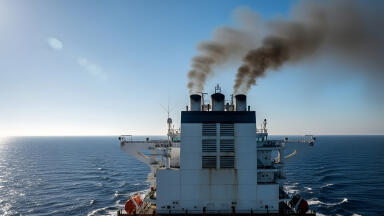
Meanwhile, tropospheric ozone (the ‘bad’ kind) is not a naturally-occurring phenomenon. The harmful emissions of volatile organic compounds (VOC) and nitrogen oxides (NOx) which come from car engines and industrial factories react with oxygen to create ozone. This happens most often on hotter days, when the sun’s warmth acts as a catalyst for the creation of ozone. As such, ozone is generally more widespread in the afternoons of hot spring, summer and autumn days. It is less common in winter.
Extensive research into the influence of oil and gas emissions on ambient non-methane hydrocarbons in residential areas has revealed that the prevalence of ozone is a direct result of internal combustion engines and poses a great health risk to local residents.
As a corrosive substance, ozone can cause great damaged to your inner organs when inhaled. Those with pre-existing respiratory complications, the elderly, the very young and those partaking in strenuous outdoor activity are most at risk from developing problems due to ozone inhalation. Among others, these problems can manifest themselves as:
As well as adversely affecting the health of humans, in large quantities ozone can also prove fatal to vegetation, trees and agricultural produce. Because of this, it’s important to reduce the amount of ozone in our atmosphere as much as possible.
The air quality index (AQI) offers a comprehensive overview of the pollution in the air we breathe. As well as measuring ozone levels, it also quantifies the amount of particulate matter 2.5 (PM2.5), sulphur dioxide (SO2), nitrogen dioxide (NO2) and carbon monoxide (CO). Keeping abreast of these levels can allow you to make better informed decisions as to when to venture outdoors, especially if you plan on doing strenuous activity.
In addition to this, you can also do your bit to reduce the amount of ozone in the troposphere by:
 Product directory


















_shutterstock_2296088597.jpg)



.jpg)

.jpg)