Water/Wastewater
Published over 13 years ago. See the latest and most current information on Water/Wastewater.
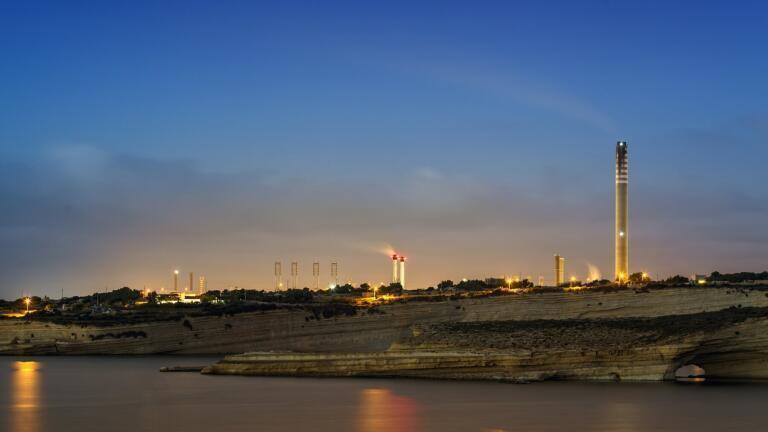
Environmental firm SLR Consulting (UK) has recently carried out a study on the impact of cooling water discharges on Maltese marine wildlife. The project, for Malta’s largest energy company, Enemalta, confirmed that a potential increase in generating capacity at its Delimara power station would not affect rare bivalve molluscs, including the large saltwater clam, the Noble Pen Shell, Pinna nobilis.
The project included modelling cooling water discharges and mapping the existing and predicted thermal impacts for a range of hydrographic, seasonal, weather and operating conditions to assess the impacts on the Noble Pen Shell.
The work was carried out in conjunction with the local consultancy partners, AIS Environmental, who provided hydrological information and benthic ecological mapping. SLR managed the modelling and undertook the Protected Species Impacts assessment.
SLR also worked with Ecospan to develop a mathematical model of the marine environment and to evaluate if additional cooling water discharge, as a result of possible expansion at the heavy fuel oil plant, would impact on areas of the seabed designated for the clams’ protection.
SLR Director Richmond Kingsbury who managed the project, said: “The mathematical model covered the Mediterranean from North Africa to Sicily and assessed summer and winter conditions. The model predicted the spread and dispersion of the cooling water for a range of conditions. These data were used to assess the vulnerability of ecologically sensitive areas.
“Our findings showed that the rare bivalve molluscs would not be affected by increased cooling water discharges.”
 Product directory



















.jpg)

.jpg)