Water/Wastewater
Published over 13 years ago. See the latest and most current information on Water/Wastewater.
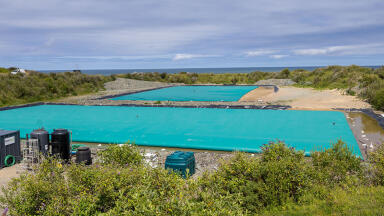
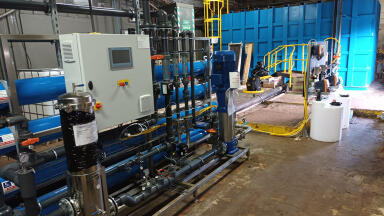
A successful three-year trial will now see treated domestic waste water pumped back into Western Australia's drinking water. A treatment plant has successfully managed to treat the waste water produced by toilets, washing machines and showers so that the water quality is high enough for human consumption.
Western Australia is to be the first state in the country to rely upon recycled waste water from domestic properties. A three-year replenishment trial has been completed of the water produced from a AUS$50 million (£29 million) treatment plant, which means the water can be fed directly into the state's drinking water system.
The system will involve an initial seven gigalitres of the treated water being pumped directly into natural aquifers in order to allow for further purification over two decades. Each gigalitre of water that is transferred into the aquifers, the Water Corporation is allowed to remove another gigalitre from an existing natural aquifer to provide drinking water to the state.
The initial stage of the water recharging process is set to begin in June 2016 and could result in a higher rate of recycled water output in the years following this start. The overall system will cost AUS$116 million to implement, but could make the water supply in Western Australia resistant to drought.
Water Minister Terry Redman told the Herald Sun: "The trial recycled 2,533 megalitres of water - that’s the equivalent of 1,000 Olympic-size swimming pools - and returned an outstanding result in terms of meeting water quality guidelines.
"All of the 62,300 water quality samples that were taken met the required strict health and safety guidelines."
Mr Redman addressed some people's concerns that the water will not be suitable for drinking by explaining that the water purification treatment means that the water is fully suitable for consumption before it is placed in the aquifer. The reason the water is not put directly into the water system is to allow for it to naturalise before being used as a source of drinking water. The added time in the aquifers could also help to assuage people's fears concerning contamination as it will be just like regular groundwater upon extraction, explained My Redman.
 Product directory















.jpg)
.jpg)