Water/Wastewater
Published over 10 years ago. See the latest and most current information on Water/Wastewater.
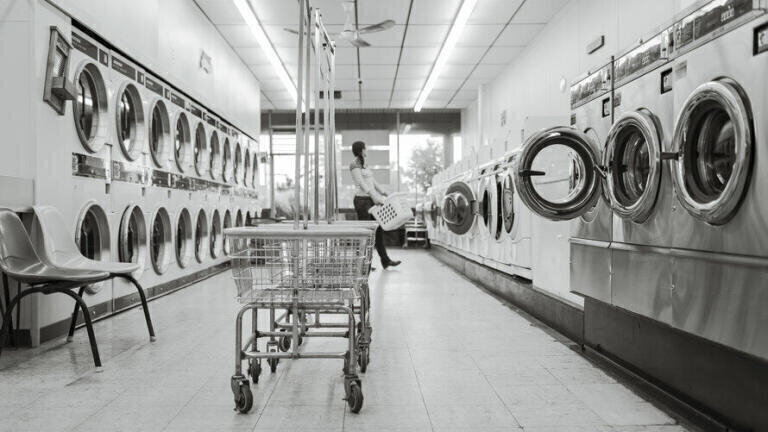
New studies have revealed that a huge amount of plastic is being released into our oceans in the form of microfibers. Even more concerning, this contamination is not happening through negligent disposal of waste, but simply every time you use your washing machine.
The microscopic particles of plastic are contained in clothing and released during the washing cycle. They are then washed down the plughole with the dirty water and find their way to wastewater treatment facilities, where as much as 40% of them bypass the filtration systems and finish up in oceans, rivers and lakes.
The issue of plastic finding its way into our oceans is well-documented. We’re constantly being reminded that we must recycle and reuse as much as we can, while scientists are eternally determining the value of waste materials (including plastic) as fuel feedstock. But what if the damage is being done without our knowledge?
A team of researchers at the University of California found alarming results when they investigated the effect of washing synthetic fleece tops in standard washing machines. The study found that 1.7g of microfibers were released with every single wash, leading to an inordinate amount of fibres over time.
In fact, recent studies have shown that microfibers might make up the bulk of manmade debris in oceans. In 2011, Mark Browne of the University of New South Wales in Australia discovered that 85% of all manmade pollutants found on coastlines all over the globe could be attributed to microfibers. The problem isn’t just confined to oceans and seas, either; they can also contaminate reservoirs, lakes and rivers. While the best way to clean up such bodies of water is a hotly-contested topic, surely the best course of action would be to prevent such contamination from occurring in the first place.
Microfibers pose such an immense threat because they are small enough to a) evade filtration processes at wastewater treatment plants and b) be ingested by tiny fish and other aquatic animals. These are then consumed by other, bigger creatures, leading to a snowballing effect of toxins which can build up to higher and higher concentrations.
Indeed, we already know that whales pay a devastating price due to plastic pollution, but the problem could be even farther-reaching than that. It’s not unlikely that these microfibers will eventually find their way to the top of the food chain and onto our dining room table.
“It absolutely has the potential to move up the food chain,” explained Chelsea Rochman, a fellow in conservation research at the University of Toronto. “I think no one’s really asked questions directly about that yet.”
While the industry has begun to react, it’s hard to implement changes on a global scale – especially with millions of washing machine units already in place and consumer opinion resistant to making changes to their washing habits. One solution could be a nanoball which excels in absorbing microfibers; all customers would need to do is to include it in with their washing. As yet, however, such an idea is still at the drawing board stage.
 Product directory


























.jpg)

.jpg)