Water/Wastewater
Published over 3 years ago. See the latest and most current information on Water/Wastewater.
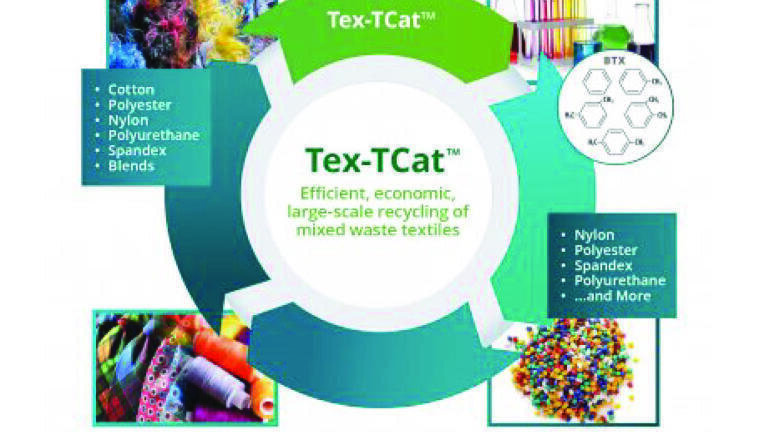
Anellotech plans to begin advanced lab testing and scale-up for Tex-TCat™, an innovative recycling solution to the growing problem of textile waste. Tex-TCat fluid bed catalytic pyrolysis technology is the first that efficiently recycles mixed waste textiles directly into the same chemical feedstocks (including benzene, toluene and xylenes) that are used today to make virgin synthetics like polyester and nylon — providing a closed-loop, fiber-to-fiber solution to today’s textile recycling problems.
Tex-TCat delivers a direct pathway from mixed textile waste to secondary materials (BTX) instead of intermediates like pyrolysis oil. And, the technology involves no incineration or burning of waste feedstock. Lab-scale studies have demonstrated that Tex-TCat™ can process a variety of common textile materials that are incinerated or landfilled today — including cotton, polyester, nylon, elastane, acrylic and polyurethane as well as blends of these and other commonly used textile materials.
The fashion industry produces 100 billion garments each year. Although the call for circular fashion is increasingly urgent, 92 million tonnes of waste still end up in landfills. This waste is due to the lack of commercially viable recycling technologies for low-quality and mixed textiles as well as textile blends. While garments like 100% cotton or polyester are recyclable with legacy technologies, Tex-TCat is a recycling solution that complements mono-fiber garments as well as all non-recyclable blends and functional textiles.
Tex-TCat’s unique features include:
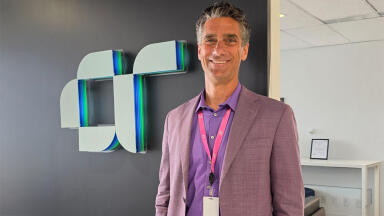
“Tex-TCat has the potential to divert large quantities of previously unrecyclable textiles from landfills and provide major brands, through their existing suppliers, with recycled content,” says David Sudolsky, President and CEO of Anellotech. “The technology promises to be a key enabler of the textile industry’s work to become more sustainable.”
The development program’s next steps include optimizing the feedstock preparation for efficient reactor feeding as well as additional lab studies that will lead to long-term trials in Anellotech’s fully automated 0.5-tonne-per-day process demonstration plant.
 Product directory













.jpg)
.jpg)