Soil remediation
Published over 11 years ago. See the latest and most current information on Soil remediation.
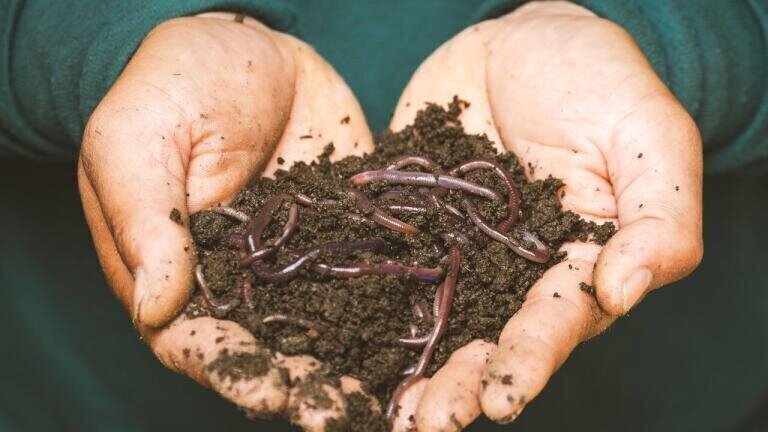
A team of scientists at Reading University have discovered that earthworms may be helping plants to decontaminate soil polluted with various metals. Heavily industrialised areas of the UK played host to mines, lead smelters and engineering centres during the industrial age, which over the years have degraded the soil and infused it with toxic metals.
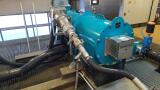
Cleaning up this contaminated soil has long been a challenge for environmentalists, who have resorted to sophisticated technological techniques in their attempts to purge the soil of metals. For example, one such manufacturing site near Sheffield was treated using electric resistive heating technology, better known as six-phase heating.
Now, it seems, scientists have discovered there may be a far simpler and more natural way to tackle the contamination (albeit a much longer one) – earthworms.
The investigation relied heavily upon the Diamond Light Source, which is the most advanced synchrotron in the UK and is based in Oxfordshire. This cutting-edge piece of machinery is capable of using X-rays to analyse metal samples “1,000 times smaller than a grain of salt”, according to author of the study, Dr Mark Hodgson.
The results showed that metals which had been consumed and excreted by earthworms were slightly different to previous samples. This allowed plants to ingest the metals more easily and incorporate them into their tissues, which cleanses the soil and means the plants can be uprooted and harvested.
“The dream scenario is that the plants become so efficient at extracting the metals that you can take them off to a smelting plant,” explained Dr Hodgson to the BBC. Now, they may have a helping hand in doing so due to the work of the common earthworm.
Following on from the study, scientists at the British Association Science Festival dubbed earthworms “21st century ecowarriors” due to the aid they provide to these metal-harvesting plants. They have evolved to the point where they are able to survive having ingested such hard metals as copper, lead, arsenic and zinc.
“Earthworms produce metallothinein - a protein that is specifically designed to wrap around particular metals and keep them safe. In broad terms, if an earthworm can cope with one type of metal, it can often cope with a suite of metals,” said Dr Hodgson. This means that the earthworms could work in tandem with the plant life to offer a sustainable, eco-friendly alternative to decontaminating polluted soil.
Of course, such a process would be a lot lengthier than the six-phase heating method mentioned above – but it is far less intrusive. Furthermore, the colour of the worms change significantly depending on the type and amount of metal they have consumed. This means that they can offer a secondary function of being a sort of ruler as to the cleanliness of soil – just by glancing at the colour of one of the creatures, a trained eye can ascertain its health.
 Product directory






















.jpg)