Air clean up
Published over 14 years ago. See the latest and most current information on Air clean up.
Making sustainability a central part of the Olympic planning means that the Games will leave a legacy that will not be easily matched by future competitions.
David Stubbs, the head of sustainability for the London Organizing Committee of the Olympic and Paralympic Games, recently talked to the New York Times about how his plan for sustainability will encompass everything from environmental factors to social and economic factors that are influenced by an event as big as the Olympics.
Indeed, sustainability has become an almost obsessive goal of the UK government this year, with an independent assurance body, the Commission for a Sustainable London 2012, looking over the progress made by Mr Stubbs and reporting it back to the Olympic board, which is the ultimate governance body for the games.
Every base has been covered by the organisers, from air quality to waste management and food management. The latter is a particularly new trait, with few events in the past challenging the food industry to look at sustainable sourcing standards for large events.
There is also the long-term development questions that are raised by a project on the scale of this. The London Legacy Development Corporation has been set up to address this issue, overseeing the transformation from the Olympic Park to the Queen Elizabeth Olympic Park. This is a central part of the 'legacy goal'.
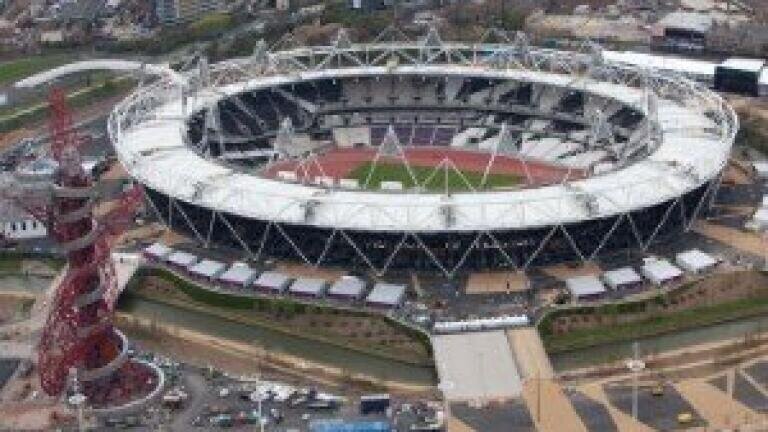
Any structures that have been built for the Olympics will be part of a long-term plan. That is why there have been several temporary structures erected, such as the shooting range, venues for equestrian events, water polo, hockey, basketball.
Mr Stubbs told the New York Times: "Even for the permanent structures, we tried to reuse existing material as much as possible. For the steel used around the top of the Olympic Stadium, we used gas main pipes that were surplus to a project from up north. They had already been manufactured and were available, so this saved time, saved budget and it saved carbon by avoiding making new material."
Although not all goals have been met in terms of environmental impact, it is clear that the Olympic committee has achieved one thing; a legacy through sustainability.
Posted by Joseph Hutton


 Product directory























_shutterstock_2296088597.jpg)