Air clean up
Published over 12 years ago. See the latest and most current information on Air clean up.
The Japanese government has reversed plans that would have seen the country gradually reduce its dependence on nuclear power. In a move that could be viewed as controversial by many following the 2011 Fukushima disaster, the cabinet has approved a new energy policy that would see nuclear generation continue.
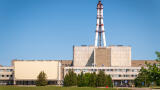
The Basic Energy Plan will see the 48 idle nuclear reactors in Japan gradually restarted. Each of the reactors was taken offline following safety concerns that arose in the wake of the meltdown at the Fukushima No.1 power station following the 2011 earthquake and subsequent tsunami.
Nuclear is being defined by the new plan as an "important baseload power source" and will be used to constantly provide energy to the grid, which will meet the country's minimum requirements. However, the new plan does not reveal exactly how much of Japan's energy mix will be provided by nuclear.
Unfortunately, the latest plan might not be enough to give a boost to the nuclear industry of Japan. The industry has suffered losses estimated at around $50 billion (£29 billion) due to safety changes and the shutdown of facilities. Operators of the plants have also had to spend around $90 billion in fossil fuels to replace the nuclear power.
They have also had to pay out for upgrades to meet with new safety regulations. This means that despite the new plan, around two-thirds of the 48 idle nuclear power plants may have to stay closed due to a number of issues, including earthquake risks, the cost of further upgrades or local opposition.
As well as placing nuclear power as a baseload source, the new plan will also see hydropower and coal constantly providing energy to the grid, meaning that it is possible that nuclear reliance in the country will be reduced. The government is also aiming to increase the amount of power that is derived from renewable sources, with the ideal mix of energy hopefully being achieved within the next three years.
 Product directory









_shutterstock_2296088597.jpg)

.jpg)
.jpg)