
Water/Wastewater
Published over 15 years ago. See the latest and most current information on Water/Wastewater.
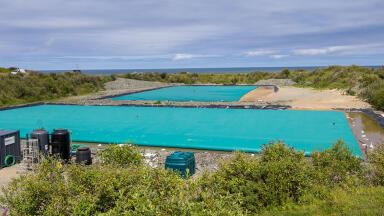
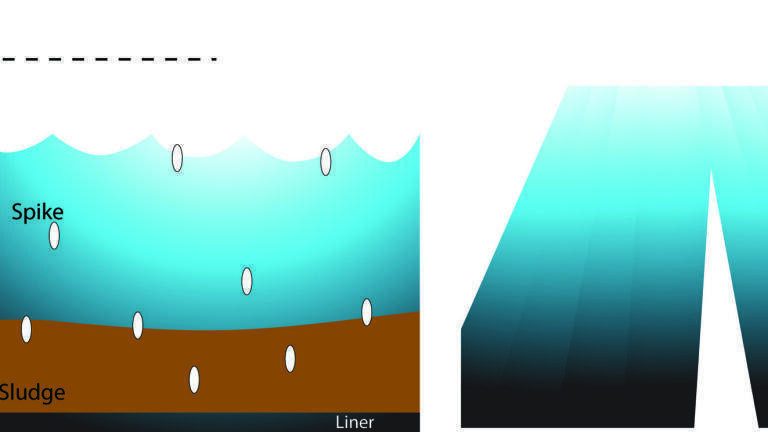
BioSpikes from Novozymes (France) offer a new way to minimize settled sludge volume and reduce solids handling costs in municipal and pulp & paper wastewater lagoons. BioSpikes are made using a unique process that creates a dense spike that rapidly sinks to the bottom of a lagoon, even when applied at the surface of the water. The easy dosing method ensures contact between the beneficial microorganisms and sludge settled on the bottom of a lagoon. This easy application is also useful in problem buildup areas where shortcircuiting is a problem.
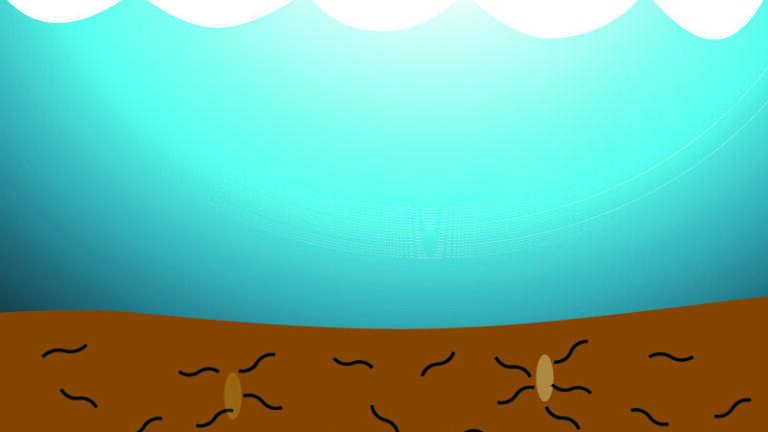
Once BioSpikes reach the bottom of a lagoon, they release billions of microorganisms, powerful enzymes, and essential micronutrients directly into the sludge layer. This combination ensures rapid stimulation of biological activity and reduction of the sludge layer. BioSpikes reduce dredging frequency, increase hydraulic retention time, and improve overall lagoon performance.
“By reducing the sludge volume and increasing the lagoon treatment capacity, plants are able to operate within a larger range of organic loading,” adds Senior Applications Specialist Steve Leach.

 Product directory