Water/Wastewater
Published over 7 years ago. See the latest and most current information on Water/Wastewater.
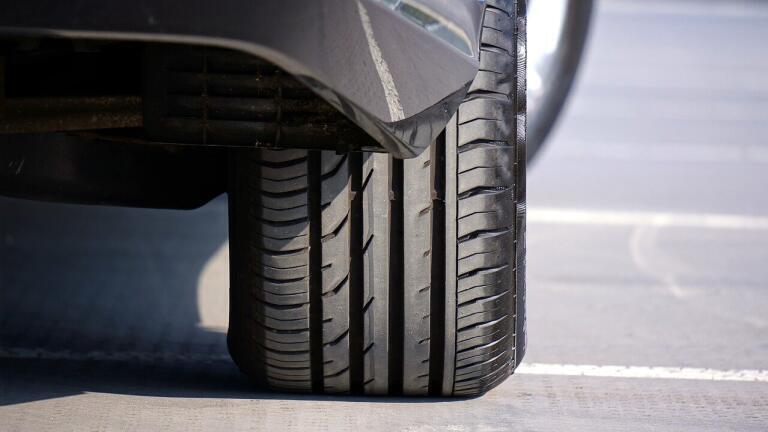
A new report from Friends of the Earth (FotE) has found that 32,000 tonnes of tiny plastic particles are finding their way into British rivers and streams every single year. What’s more, all of these microplastics can be traced back to four different sources: vehicle tyres, clothing, plastic pellets and external paint used to decorate buildings and delineate road markings.
According to FotE, the problem of microplastics has not reached the same level of media coverage or government attention as larger sources of the damaging substance, despite contributing to a similar amount of contamination. The organisation recommends that new measures are put in place immediately to mitigate the worst effects of this incredibly damaging phenomenon.
Approximately 26,000 tonnes of plastic enter UK waterways every year through sources like bottles, takeaway containers and many single-use items, prompting the government to phase out items like plastic bags, Q-tips, straws and stirrers. However, the equally sizable problem of microplastics – which appears to be getting worse, not better – often flies under the radar, so the new report from FotE aims to raise that profile.
According to the research, anywhere between 9,000 and 32,000 tonnes of microplastics end up in our waterways each year, outstripping the larger sources by some distance. This unacceptable level of pollution is caused primarily by four different causes, which are as follows:
While the scientific community is continually working on ways to tackle the problem of microplastic pollution (such as the unlikely union of forensic science with artificial intelligence), FotE say that more must be done. With tyre pollution responsible for over half of all microplastic contamination, the organisation suggests starting there first.
Measures could include introducing a standardised tyre abrasion test and a levy on car owners to fund research into mitigating the problem. Failure to act, however, could have disastrous effects on the natural environment. “It’s staggering that so little is being done to prevent thousands of tonnes of microplastic pollution from car tyres, clothing and paints pouring into our rivers and seas every year,” said Julian Kirby, plastics campaigner for FotE.
“Microplastic pollution may be largely invisible, but it’s having a potentially devastating effect on our natural environment – especially as it can be mistaken for food by some our smallest ocean creatures, which are then eaten by bigger creatures as part of the food chain.”

 Product directory

















.jpg)