Water/Wastewater
Published over 8 years ago. See the latest and most current information on Water/Wastewater.
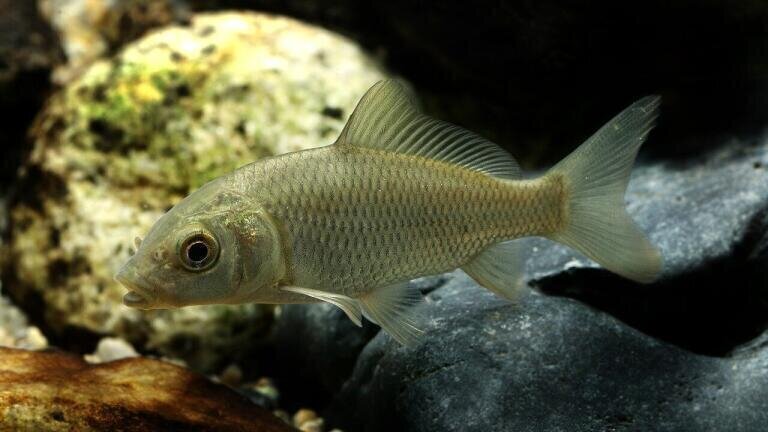
It’s a dog’s life, being a fish. Not only do they have to spend almost their entire lives searching for food and escaping from predators, but they also now have to deal with the additional threat of manmade pollution.
Although modern wastewater treatment systems are effective in filtering out the majority of contaminants from their effluent, it’s inevitable that some chemicals will make their way through. As a result, our streams and waterways are becoming increasingly polluted, meaning that fish must struggle even harder just to survive.
Just as some fish escape the net when it comes to commercial fishing, some contaminants make it through the filtration process at wastewater treatment plants. This is especially true of chemicals and additives found in many pharmaceuticals, such as birth-control pills or other medication.
When leftover pills are flushed down the toilet, or when traces of their component parts remain in our urine, this can find its way into the wider world and cause potential problems for fish. For example, a study conducted two years ago concluded that elevated oestrogen levels in rivers was having a transformative effect on the gender of fish living there.
Graham Scott, a biologist at the McMaster University in Ontario, Canada recently conducted a fresh investigation into the effects of polluted water on fish. Scott trapped three samples of fish inside cages for three weeks; the first was 50m downstream of a wastewater treatment plant, the second was 830m away and the third was in completely clean water.
Scott and his team found that those closest to the plant required more oxygen just to stay alive than the others, since their bodies had to filter out the harmful contaminants found in the water. In fact, those at just 50m remove used 36% more energy than those in clean water, while those 830m away still used 30% more.
While it appears that the contaminants themselves were not actually killing the fish, they were putting them at a severe disadvantage. This is because they were wasting a third of their energy in just removing the pollutants – energy which could be used for hunting food, escaping predators or sourcing a mate.
Furthermore, the chemicals and contaminants could still be affecting their bodies in unknown ways, such as the sex-changing effects observed in the study above. Therefore it appears that while fish can survive in polluted waters, such pollution makes survival a damn sight harder to achieve.
 Product directory




























.jpg)

.jpg)