Water/Wastewater
Published over 11 years ago. See the latest and most current information on Water/Wastewater.
Rotary lobe pumps made by Borger have helped enhance production at one of the UK’s top processors of shellfish.
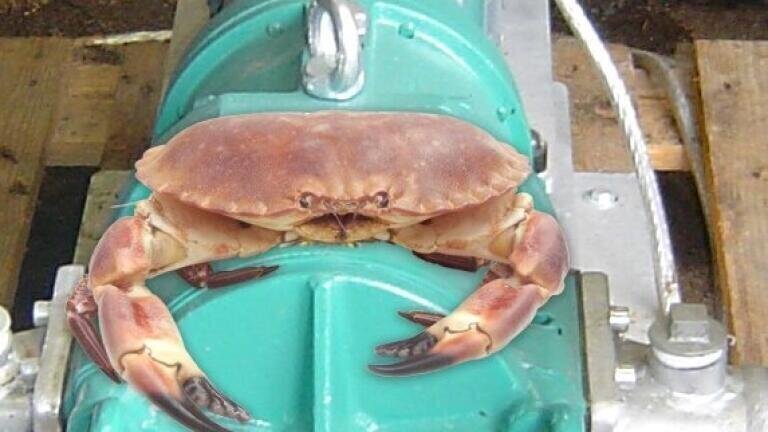
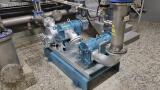
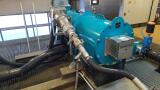
Borger’s stainless steel-lined PL 200 Classic Pumps handle saltwater laden with shells and sand at AM Seafoods of Fleetwood, who from their base on the Lancashire coast export high quality, sustainably fished king and queen scallops, crabs and whelks to countries all over the world.
“Previously, we had a progressive cavity pump that just didn’t do the job,” said AM Seafoods’ Maintenance Manager, Mike Robinson.
“The shell waste, sand and saltwater is a very tough application”, he added, “but our old pump would regularly block up and we’d be constantly back and forth because the rubber stators would wear out in just a few hours. With the Borger pumps there’s no downtime. So much so, we’ve almost forgotten that they are there”.
Operating at 20m/3, the 3kW Borger pumps at AM Seafoods are fitted with optimum rotors, which were developed specifically for such difficult applications, with Maintenance-In-Place [MIP] making them very easy to access, requiring only basic tools.
AM Seafoods, who are a second generation, family run business, handle all processing on site under stringent health and safety conditions to ensure quality and reliability of its much sought after products.
After pumping, the crushed shells at the end of the process are recycled and mixed with plaster for use as wall and ceiling coverings.
 Product directory














.jpg)
.jpg)