Waste management
Published over 8 years ago. See the latest and most current information on Waste management.
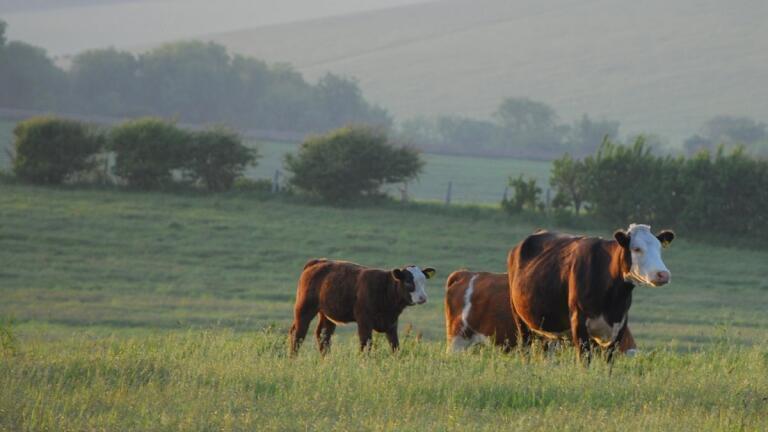
The Environment Secretary Michael Gove has announced plans to curb emissions of ammonia from agricultural practices, which is responsible for almost 90% of all ammonia emissions in the country. Part of a wider strategy to improve air quality in the UK, the proposals target storage and application of manure, slurry and fertiliser and will impact dairy and livestock farmers more than any other sector.
Having come under severe criticism from environmentalists and opposition politicians, the government have taken a tougher line on green issues this year. Just months after Michael Gove announced an outright ban on neonicotinoids – the widely-used pesticides which have been linked to a global threat to biodiversity – he has now published a draft of the government’s Clean Air Strategy.
Encompassing measures to tackle road pollution and other areas of concern, the paper will also target emissions from farming practices, with a particular focus on ammonia. It’s hoped that the proposals will be passed into law following a public consultation which ends in August, and that they can save the UK economy £1 billion in air pollution mitigation costs by 2020. By 2030, those savings are projected to rise to as much as £2.5 billion.
The latest revelations will impact farmers who rear cattle for dairy produce and beef production, and encompass a number of measures including the following:
For their part, the farming community have responded to the announcement with caution and concern. By and large, the feeling is that the new measures will make farming unprofitable due to the costs incurred, which will either have to be footed by the government or passed on to the consumer.
“All I see is pound signs here. The reality is, we’re being brought down an environmental route that we cannot actually operate in and produce in,” explained Chris Mallon, CEO of the National Beef Association (NBA). “If we produce less and the price goes up, it might be good for the farmer. But how will this sit with the government and its cheap food policy?”
 Product directory






















-from-Chesterton-House-Farm,-with-Giles-Russell-from-Midland-Slurry-Systems.jpg)





.jpg)

.jpg)