Air clean up
Published over 14 years ago. See the latest and most current information on Air clean up.
This year, the new European test standard for air filters (EN779:2012) comes into force. It states the air filter’s filter class based on the lowest cleaning efficiency – also called the minimum efficiency (ME). The new standard is good news, as poorer filters will now disappear from the market. Many electrostatically charged synthetic media filters can show a good initial cleaning efficiency, but they discharge quickly and result in impaired air quality.
At the start of the year, a classification was released showing the link between the filter’s energy efficiency and its cleaning capacity. This is called the Energy Efficiency Classification and is based on the test values from EN779:2012, with the energy classes A to G, where “A” stands for the lowest energy consumption and “G” for the highest.
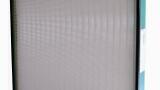
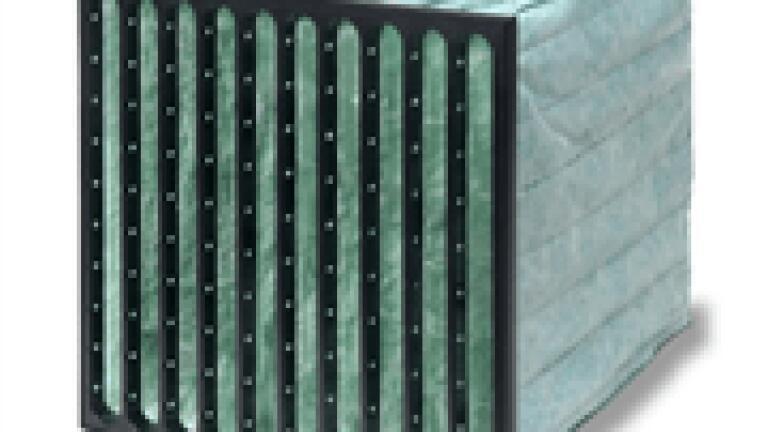
For an air filter to be approved as an F7 filter, the new standard requires a cleaning efficiency of at least 35% for 0.4 μm particles. At Camfil Farr (Sweden), they don’t think the standard’s demand for cleaning efficiency is high enough. For example, their Hi-Flo XLT7 filter is not only A-classed but it also has a cleaning efficiency as high as 54%. With their filter, you therefore get a result that is more than 50% better than that demanded by the standard. Always take an extra look at the cleaning efficiency when you are choosing filters because it will determine the air quality you obtain at the end of the day.


 Product directory
















_shutterstock_2296088597.jpg)