Air clean up
Published over 10 years ago. See the latest and most current information on Air clean up.
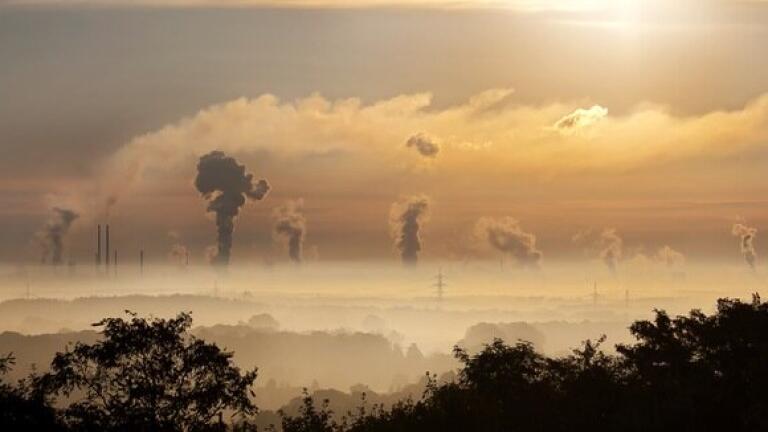
The Earth has passed a landmark of air pollution. Or at least it’s about to. According to scientists, 2016 will be the year that we officially pass the 400 parts per million (ppm) measurement for carbon dioxide in our atmosphere. Read on for a summary of the findings, the consequences and whether there’s a solution.
September 2016 is the exact month of this unfortunate landmark. Normally, each September, the carbon dioxide measurements fall, following months of summer plants blooming and soaking up the gas. This drop in CO2 usually restores the atmospheric levels to below 400ppm, before a gradual rise as the decomposing leaves of the plants release some of the carbon back into the air. What this means is 2016 is now the first year on record where CO2 levels have failed to drop below 400ppm at any point.
So why is 400ppm a landmark? It’s not for any particular statistical reason. 400ppm is just a shockingly high and conveniently rounded number that we didn’t want to get to. Unfortunately, we have, and it looks like we’re going to carry on in the same direction. Our carbon dioxide emissions have been rising steadily for years. Not only that, but deforestation and a failure to add more plants to soak up and ‘deal with’ the carbon dioxide, mean we have failed to keep the rise proportionate.
The way we’re going, it looks more like we’ll see 500ppm within most of our lifetimes. The consequence of this rise is that the carbon dioxide in the atmosphere causes the temperature to rise. Since the start of the industrial revolution, we’ve seen a rise of around 1 degree Celsius. To stop a further 2 degrees of global warming, we’ll have to act quickly to reduce emissions. Given the nonchalance of the majority of the world to date, it’s unlikely to change. As NASA climate scientist Gavin Schmidt declared: “In my opinion, we won’t ever see a month below 400 ppm.”
It’s not the whole world that are indifferent. The European Union, for instance, have introduced new regulations like the Industrial Emissions Directive. Not only does it aim to reduce emissions, it’s also beneficial for regulators and businesses because it replaces and consolidates seven previous directives. ‘One Directive to Rule Them All’ outlines the changes, which took place in 2013, and how they will make polluters more responsible and more aware.


 Product directory


















_shutterstock_2296088597.jpg)