Air clean up
Published over 12 years ago. See the latest and most current information on Air clean up.
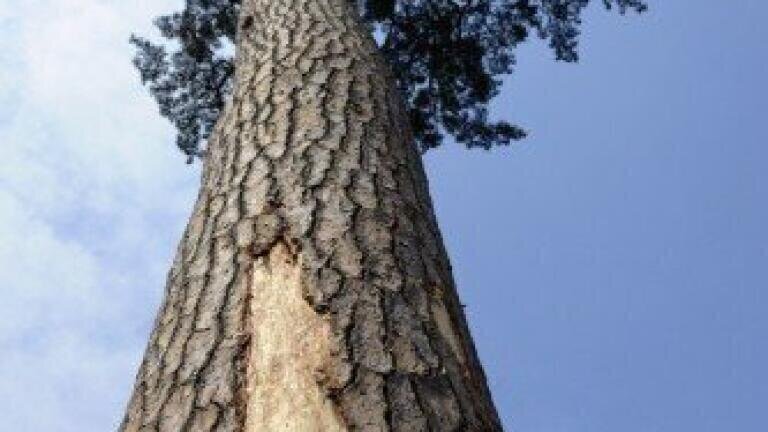
A link has been discovered between the smell of pine trees and the impact of climate change. According to new research, the strong scent of pine trees is caused by vapours, which turn into aerosols as they rise above boreal forests. These vapours help to reflect sunlight away from the surface of the earth, which in turn helps with the formation of clouds that further reflect sunlight, reports the BBC.
Published in the journal 'Nature', the research helps to provide insight into the effect that atmospheric aerosols have upon global temperatures. Aerosol particles rise from pine forests to create clouds, which ultimately serve as a reflecting blanket, directing the suns rays back into space and helping to stop them from becoming trapped in the atmosphere, resulting in warming.
Aerosols can be formed in several different ways, including through the burning of oil and coal, and volcanic activity. Until now there has been little understanding on how aerosols can impact climate change, especially when it comes to the aerosols given off by the vapours created by pine forests in northern Europe, North America and Russia.
Scientists have so far failed to predict the amount of particles that form from the vapours with any degree of accuracy. However, new research has suggested that the chemical process that turns vapours from pine trees into aerosols has been discovered.
An international team of scientists found that ultra-low volatility organic vapours found within the air serve to condense onto any particle of surface that they come into contact with. This means that they stick to particles and help them to become larger, ultimately becoming aerosols, Dr Joel Thornton from the University of Washington told the BBC.
"It's certainly crucial for explaining the response of the boreal forest to a changing climate," he continued.
"It's thought that the vapours being emitted from the vegetation in the pine forests are contributing roughly half of the aerosols over the forest. We've found the reasons how the vapours get converted into particles, so we are basically explaining around 50 per cent of the aerosol particles."


 Product directory






















_shutterstock_2296088597.jpg)