Air clean up
Published over 10 years ago. See the latest and most current information on Air clean up.
During a state visit to the White House in Washington DC in the United States last month, Chinese President Xi Jinping pledged to initiate a national pollution-trading system. The objectives of the system are twofold – to address the serious and spiralling emissions levels of Chinese industry, and to provide financial support for poorer countries to make the transition to cleaner energy.
On the one hand, China will make moves to introduce a nationwide cap on emissions from some of its most damaging industries, simultaneously offering incentives for companies who produce electricity through cleaner means. On the other hand, they will also make a 20 billion yuan (£2 billion) donation to less affluent countries to move away from fossil fuels, as well.
As the world’s two biggest greenhouse gas emitters, the USA and China are hoping to set an example for the rest of the developed and developing world to follow. The agreements come after last year’s joint resolution to reduce carbon emissions from both countries in a meeting between President Obama and President Xi in Beijing.
They are in advance of this year’s UN climate change summit in Paris in December, where representatives of more than 190 nations around the globe are expected to come together to try to find a solution to global warming and reduce our harmful energy production activities on Earth.
With this in mind, the pair of world leaders also outlined some of the major objectives they wish to achieve in Paris. “Having the two largest emitters committing to increased action and also providing at least some clarity on the key issues for Paris really does help pave the path for a strong agreement,” commented David Waskow, who is the World Resource International Institute (WRII)’s climate initiative director.
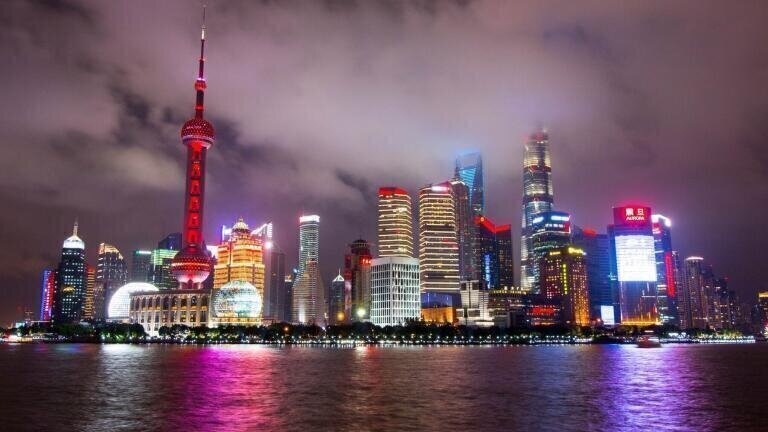
China’s problems with pollution are well-documented. In 2011, the startling fact that Chinese power plants emit as much NOx as all of the passenger cars in the world sent shockwaves through the environmentally-conscious community, and China has made a conscientious, concerted effort to address their pollutant ways.
Whilst almost two-thirds (64%) of Chinese energy is still derived from coal combustion, new air pollution monitoring methods have been put in place and President Xi has called for the emissions trading system to be inaugurated in 2017. Once in effect, the systems will put a cap on the total amount of emissions allowed by any single plant or factory, whilst allowing those who trespass over the limit to buy (or indeed, sell) pollution credits.
A target start date of 2017 is an optimistic one, since many Chinese provinces have not made allowances for the switch to cleaner energy as yet. However, the latest resolutions from the White House should certainly accelerate the process and ensure that the Chinese market is looking to clean up its act in the near future.


 Product directory















_shutterstock_2296088597.jpg)